Most referral program advice is a grab bag of incentive structures and landing page tips. Some of it works. A lot of it is generic marketing advice dressed up as referral strategy.
Based on the hundreds of programs we’ve evaluated, the programs that generate consistent referrals have three things in common:
- They focus on the friend, not just the referrer.
- They promote continuously, not just at launch.
- They let everyone participate instead of gating access behind signups and forms.
This article covers 22 ideas organized around those three areas: incentive design, building your advocate base, and promotion. Each one includes real examples from companies doing it well.
Referral incentive ideas
Most incentive advice focuses on what motivates the referrer. Bigger discounts, cash bonuses, tiered rewards. But the programs that drive the most sharing flip the focus. When someone refers a friend, they’re putting their reputation on the line. If the referral feels like a sales pitch, they won’t do it. If it feels like giving their friend something valuable, they will.
We call this the Friend Factor: design your incentive around what the friend receives, not just what the referrer earns. The ideas below cover different incentive structures, but the best ones share this principle.
1. Match your incentives to your business and customers
Whether you’re B2C or B2B, the referral incentive ideas that drive the most sharing are ones that fit your business model and match how your customers actually buy.
Start with two questions: How often do your customers purchase, and how much do they spend?
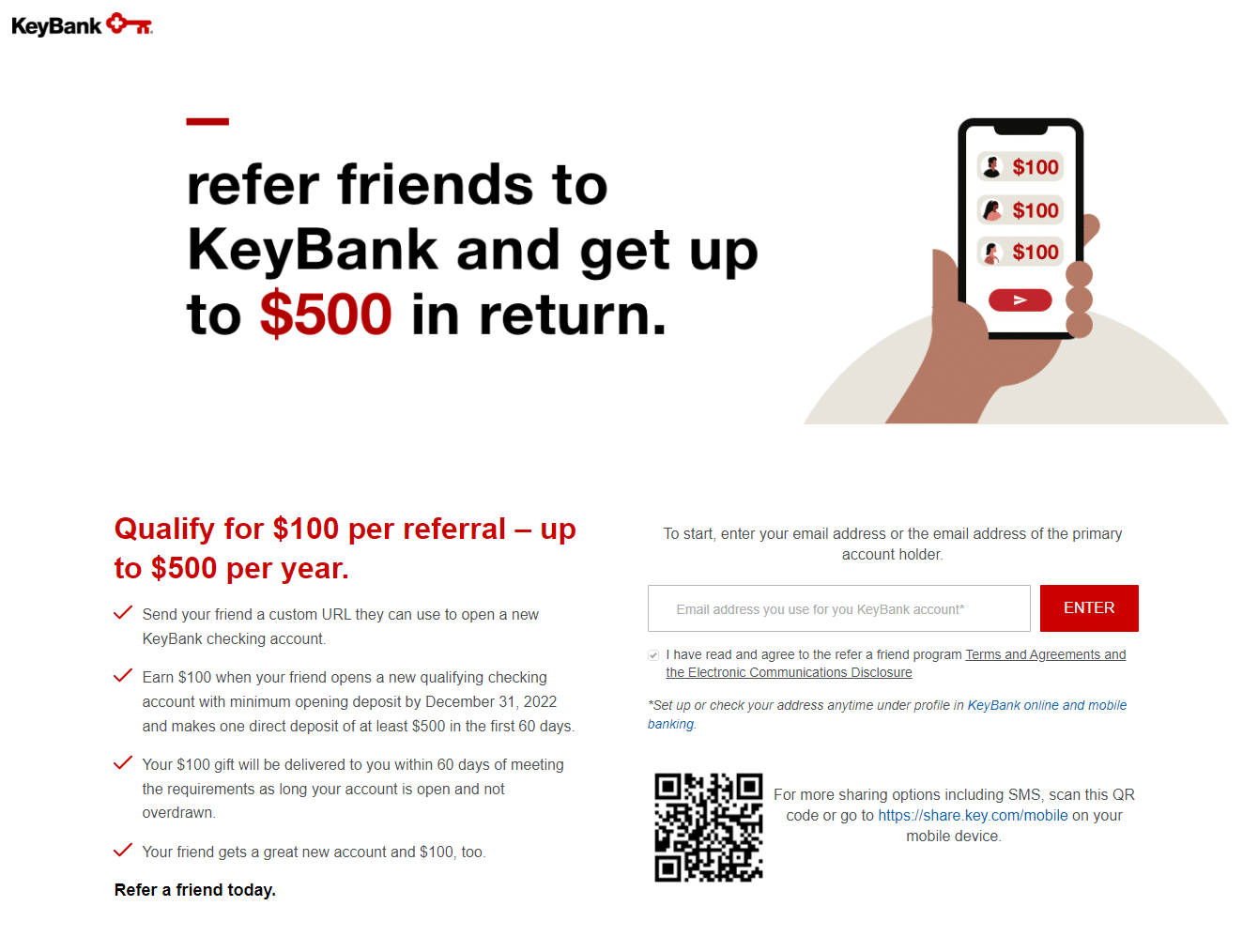
If you sell high-value items people buy infrequently (mattresses, cars, furniture), a $50 store voucher won’t motivate anyone. When would they use it? Cash, a gift card to another business, or a gift basket makes more sense.
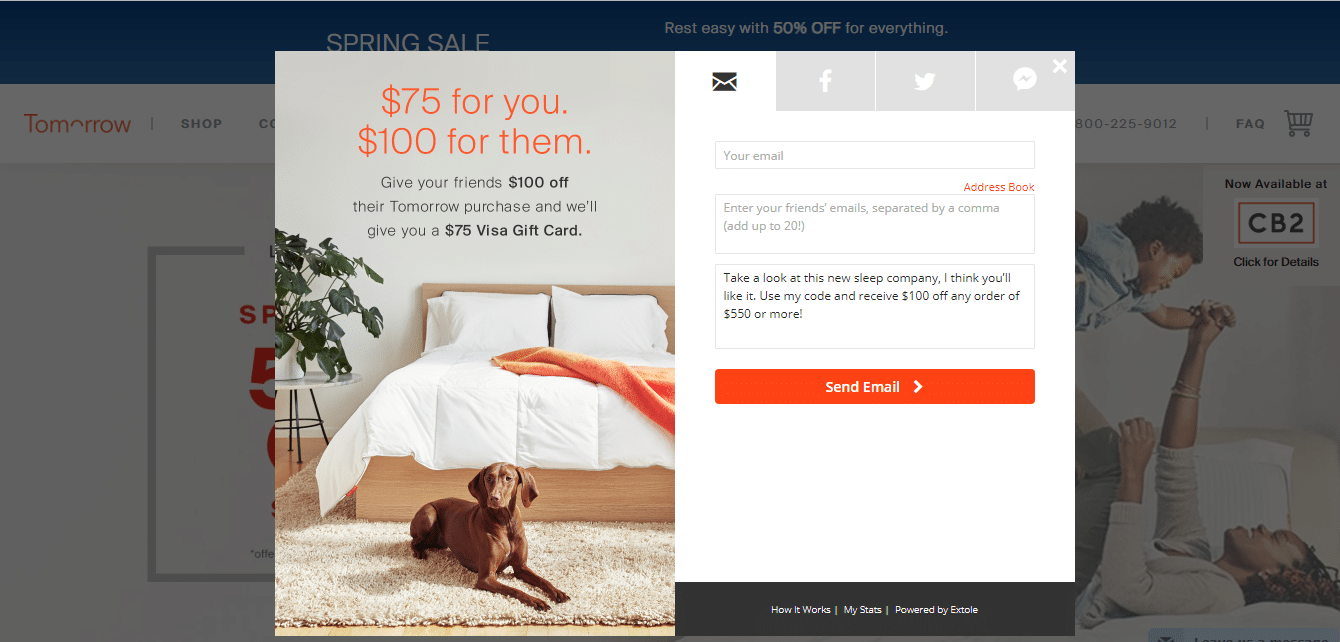
If purchases are frequent and relatively inexpensive, store credits in a generous amount, a swag item, or a coupon for a free product may be more suitable. (If you want to generate your own coupon codes, try our coupon card generator.)
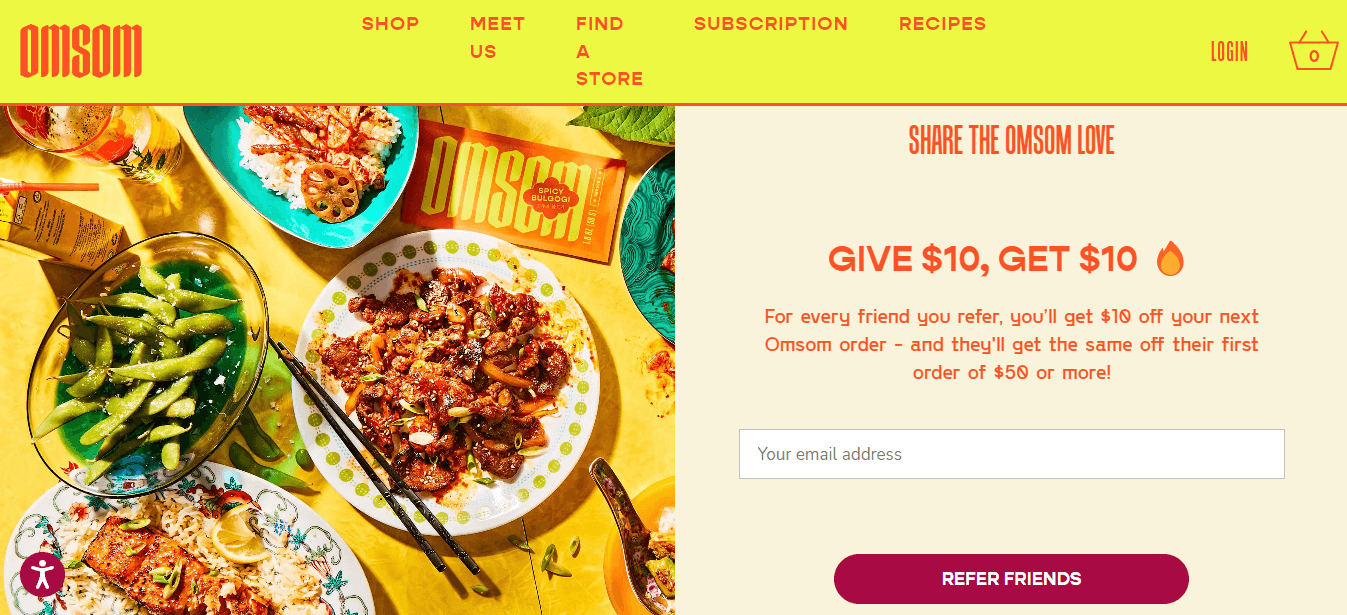
The incentive should also make sense for your sales cycle. A self-serve ecommerce purchase has different dynamics than a multi-step B2B sales process.
What not to do: Don’t fall into common reward traps that destroy your customers’ motivation. Check out this video to learn the 5 most common referral reward mistakes, and what to do instead:
2. Use double-sided incentives
People don’t want to feel like they’re “selling out” their friends just to earn a reward. But if they can give something to their friend and get something for themselves, the whole dynamic changes. It’s not a sales pitch. It’s a gift.
That’s why double-sided incentives (rewarding both the referrer and the referred friend) consistently outperform one-sided rewards. The referrer gets to be generous, and the friend gets a reason to buy.
Subscription fitness company ClassPass runs a strong example. When an existing customer shares their unique referral link and a friend signs up, both get $20 off their next month. It works on two levels: the friend gets real value, and the two of them can take a Pilates class together. The reward brings them closer instead of making the relationship feel transactional.
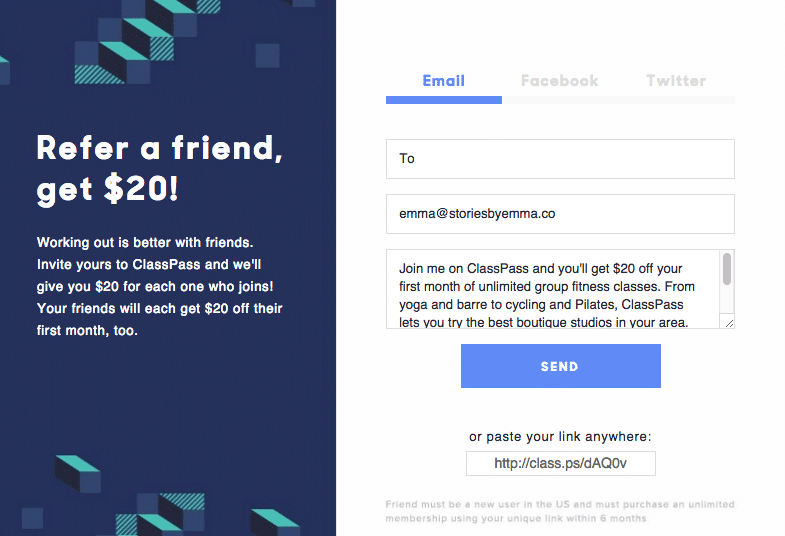
Tie the friend’s reward back to your business (store credits, free products, upgrades, or discounts activated at purchase) so the friend has an incentive to convert.
One-sided rewards that only benefit the friend can work, but they rely entirely on intrinsic motivation from the referrer (since there’s no incentive for sharing) and don’t guarantee a purchase. Double-sided rewards are more reliable because both parties benefit and the sharer reward is triggered by an actual sale.
Here’s how to create referral coupons that benefit both parties.
3. Offer tiered incentives
Your customers may be motivated with a cash back or discount reward for their first few referrals – but they will be even more motivated if the reward gets better with every additional new referral.
A tiered reward structure works by keeping participants motivated to move up in the referral program, and challenged to earn even greater rewards for a higher number of referrals.
Plus, if someone successfully refers five or more new customers to your business, they’ve brought in a substantial amount of revenue and new business. Why not share a piece of the pie?
A possible tiered referral program can reward customers based on how many of their referrals result in actual customers. For example, a customer would start in the first tier and earn $25 for each referral. Then, once they successfully refer five new customers, they move on to the second tier and now earn $50 for every additional referral.
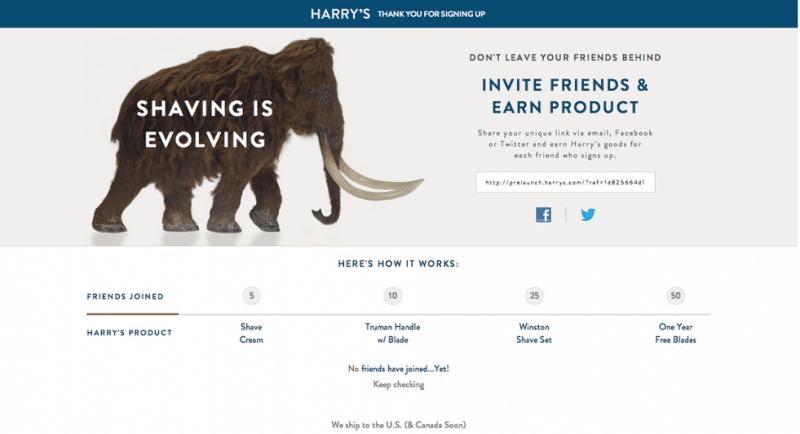
Or, you could try a tiered system that offers stacking free products, like Harry’s did for their viral prelaunch referral program.
In this program, advocates would earn accumulating rewards with each referral (starting at 5 referrals and progressing up to 50). If someone successfully got 50 friends to share their emails with Harry’s, they would earn a year of free blades, in addition to a shave set, Truman blade and handle, and container of shave cream.
4. Give to a cause instead of a reward
Maybe your business can’t offer rewards for referrals (as is the case for businesses like medical practices, dentist offices and counseling services). Or, your business might simply know that many of your customers enjoy making a difference. Why not make a charitable donation on the customer’s behalf instead of traditional incentives? If a customer refers a friend, you can offer to donate $50 to a charity, tying your referral program to social good.
This approach works particularly well if the donation is made to a relevant charity. Take a cue from Warby Parker’s Buy a Pair, Give a Pair Program, committed to providing eye care to 2.5 billion people around the world.
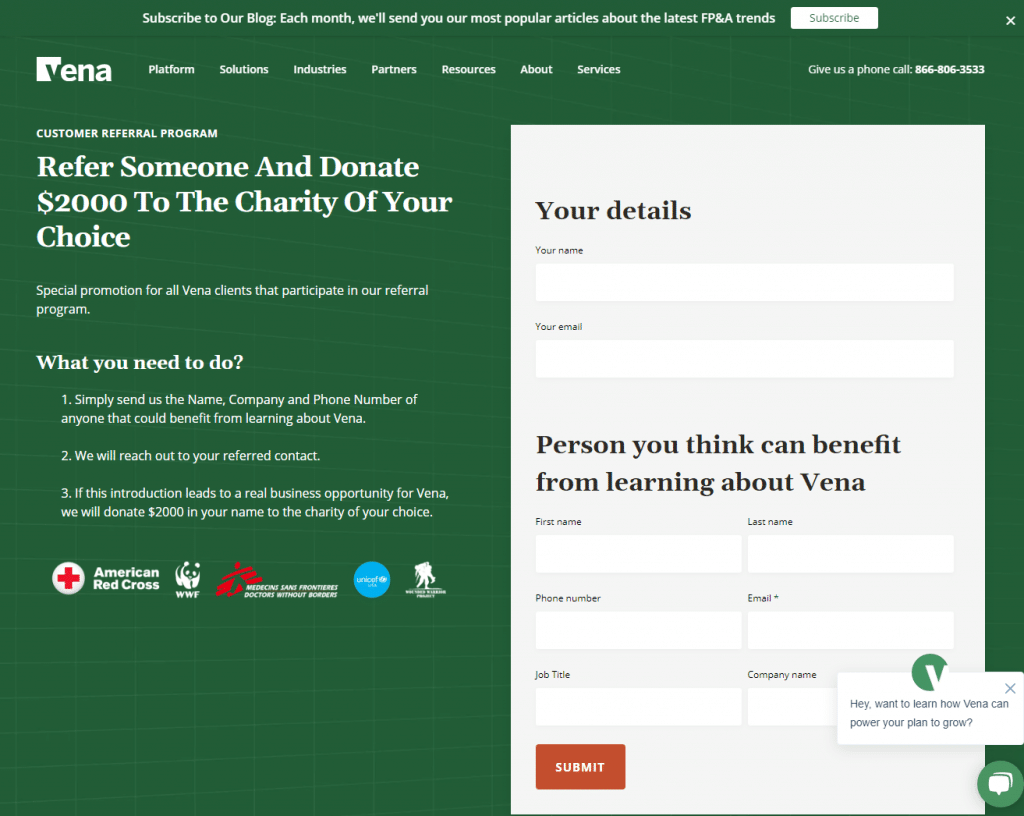
Business management software company Vena provides a strong example of a charitable referral program. Whenever a client refers a business lead that converts into a successful sale, the SaaS company donates $2000 to a charity of the advocate’s choice. Charities Vena has previously supported through the program include the World Wildlife Foundation and the Wounded Warrior Project.
5. Give a higher reward for the first referral
Many customer referral programs offer a consistent referral reward. Uber, for example, offers both loyal and new customers the same referral discount throughout their entire program.
However, many companies are starting to offer customers a larger “signing bonus” for the first referrals they make. Rather than offering $15 off for each referral, for example, a program can offer $50 off for the first referral and $5 off for all subsequent referrals.
Starting with a higher incentive for the first referral encourages customers to join the program from the get-go, and is a great option if your budget is more limited. Then, once the customer has received their first rewards, odds are they’ll be more likely to participate in the referral program in the future.
6. Incentivize for sales, not just prospects
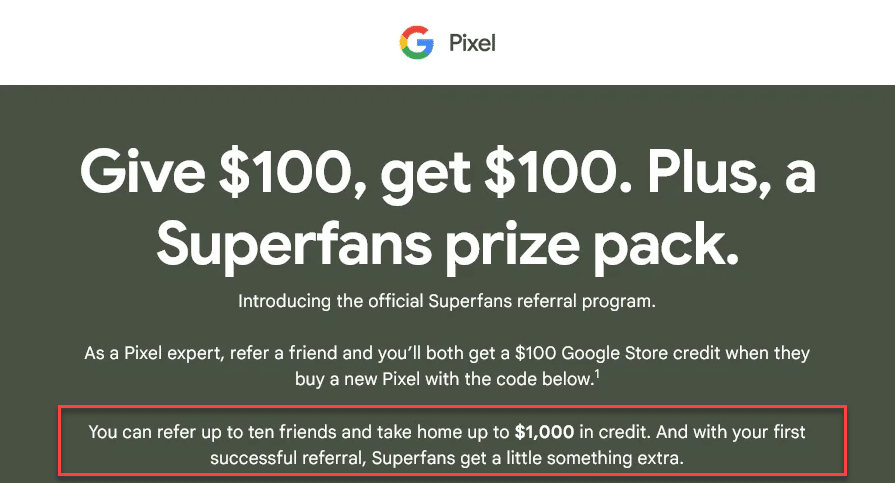
For a referral campaign to be successful, customers don’t just have to refer their friends – these referred friends must become new customers. The way most referral programs are set up, this is the condition before customers can actually reap their rewards. How can you help customers convert their referrals into sales?
The best way to convert the referred prospect is by showing them the benefits of making a purchase, like Everyplate does below with their eye-catching email. Aside from highlighting desirable features of the product or service, consider offering a double-sided incentive to reward them for their first purchase.
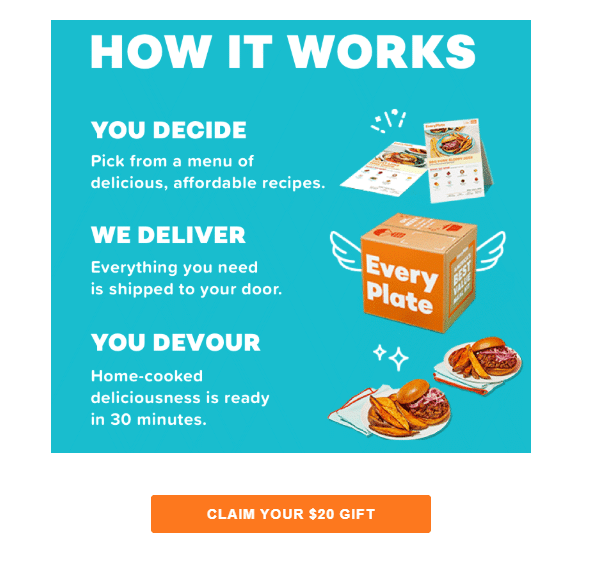
Prospects will always be more inclined to try something out if they feel they are getting special treatment or value. Plus, the prospect (and hopefully, new customer) may even be so happy with the entire reward program experience, they will end up joining the referral program themselves.
7. Create urgency with limited-time bonuses
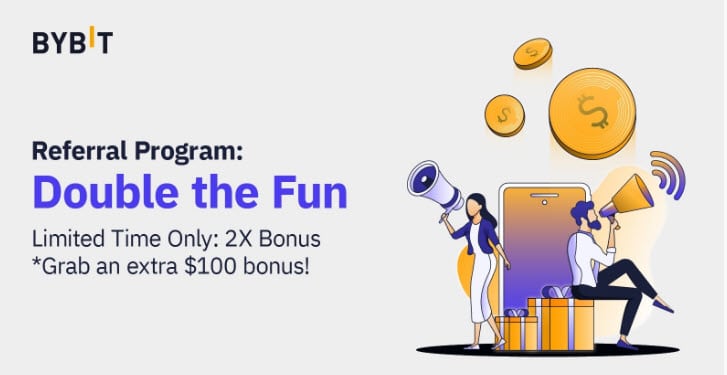
You can spice your referral program up for a limited time by increasing referral rewards (whether that’s by doubling a cash or credit bonus or adding in an extra free gift). This creative way to increase referrals can help ramp up sharing and purchases during slower periods, or add momentum right before the holiday season.
8. Run a referral contest or drawing
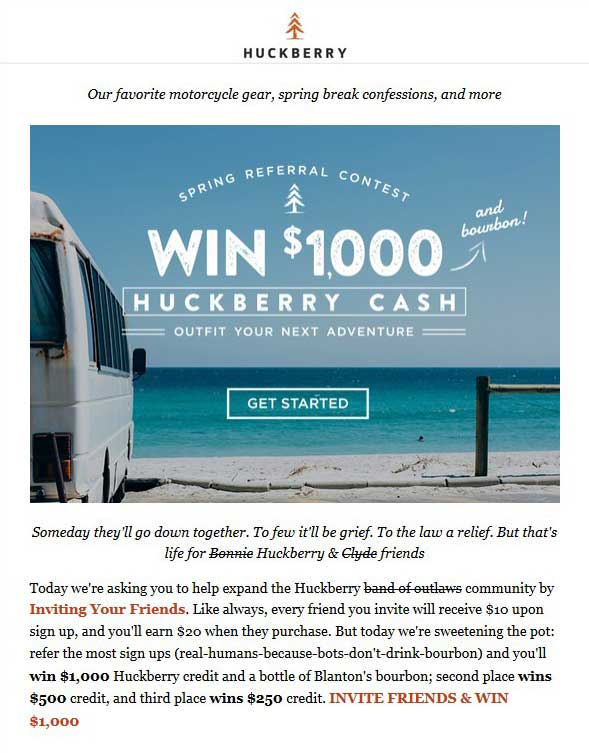
Want to add urgency and create super-advocates? Creating a referral contest puts a big-ticket bonus on the line for the person who brings in the most new customers during a set timeframe. You could also reward the top three or five referrers. This works best when every successful referral still earns a smaller standard reward. If the only incentive is the grand prize, people who feel they can’t win won’t bother.
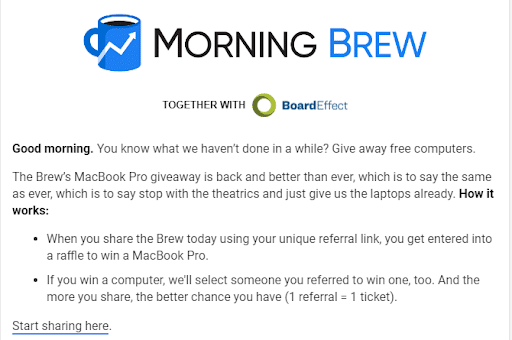
You can also run a flash drawing instead of (or alongside) a contest. In this model, every referral within a given time period earns an entry. More referrals, better odds. This is a great way to drive activity during slower seasons.
One of the most well-known referral drawings is from Morning Brew, where they suddenly announce that referrers have a chance to win a MacBook Pro laptop. The surprise element creates a burst of sharing energy.
9. Draw on the element of surprise
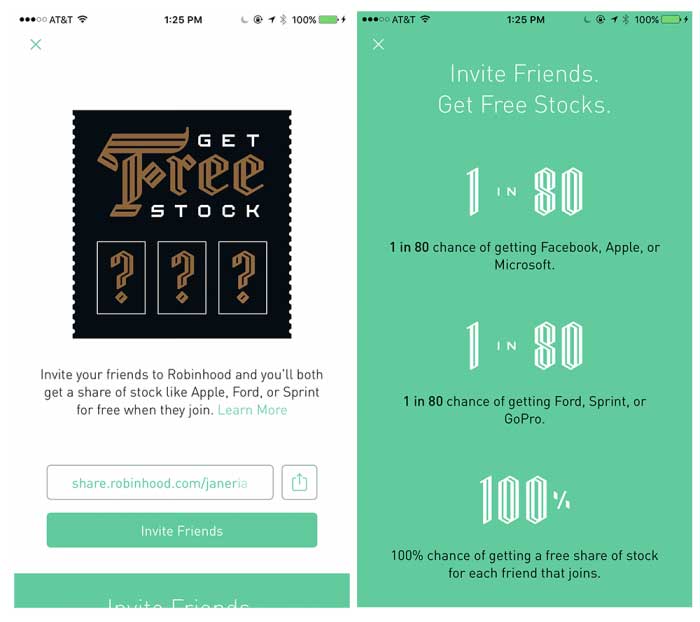
As long as you know that your referral incentives will motivate your customers, try offering a mystery gift to advocates when they make successful referrals. This strategy works well when your product line is fluctuating or trend-based, if you offer many variants of similar products, or if you know your customers enjoy mystery gifts or reveals. The mystery gift could also be a gift box, personalized to an advocate’s specific interests.
Robinhood has used this idea by offering mystery shares of stocks for every successful referral. An added advantage of their approach is that users enthusiastically shared the free stocks they ended up earning (especially if they got lucky enough to earn an Apple or Microsoft stock).
Only use this incentive, though, when you know your customers are ok with the element of surprise. If you think they’d rather have transparency regarding the referral reward, either skip this one, or use a mystery box as part of a tiered program with most of the rewards already revealed.
- More on referral incentives:
- Referral incentive ideas by industry:
Building your advocate base
Most programs start by identifying the “right” customers to invite. High NPS scores, frequent buyers, social media engagers. Then they make those people sign up, fill out a form, create an account. Every step loses people.
The programs that build the biggest advocate base do the opposite. They assume everyone is already a member. No signup form, no gate, no join button. When you keep access open, you let people self-select. Your job shifts from recruiting to activating. And you’ll find advocates you never would have hand-picked.
10. Find and activate your natural advocates
Your best advocates are people already promoting you, whether they realize it or not. Signs to look for: frequent purchases, engagement with your brand on social media, positive reviews on third-party sites, or customers who’ve already shared your products organically.
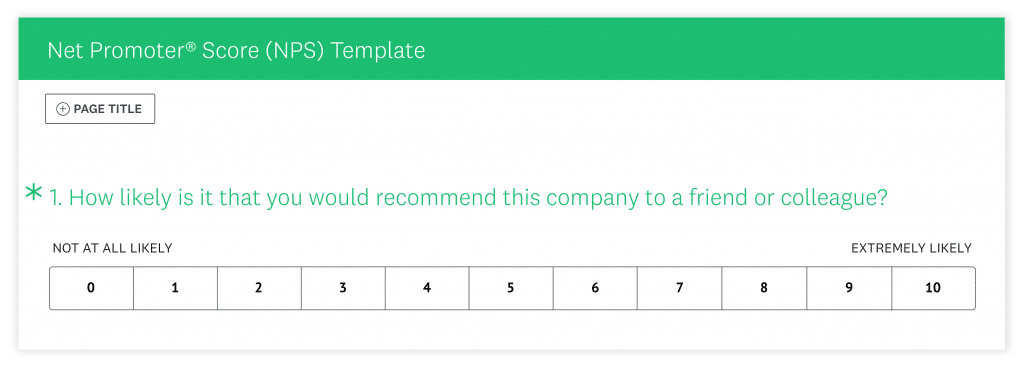
If you keep access open (everyone gets a referral link by default), your job isn’t to find the right people to invite. It’s to activate the ones who are ready. Start by identifying customers who show these signals and reaching out personally. A short NPS survey can help verify who’s most likely to refer. You can also use advocate marketing software to streamline the process.
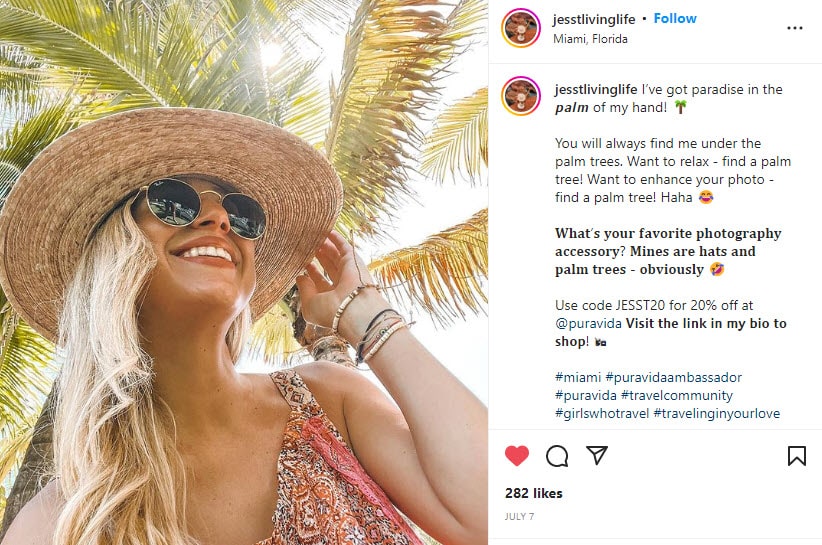
Have you found customers already sharing your products on social media for free? They’re already advocating for you. Reach out and let them know about your program. If someone has promoted you multiple times and has an engaged audience, consider going further with a formal ambassador program. Ambassador programs are more structured than standard referral programs, but they let you engage and train your best advocates.
11. Show your best referrers real appreciation
You’ll have your best referrers, just like you have your best customers. When you spot someone who consistently refers others or goes out of their way to recommend your brand, find a way to show them you notice. Some companies send handwritten thank you notes. Others put together care packages with premium products.
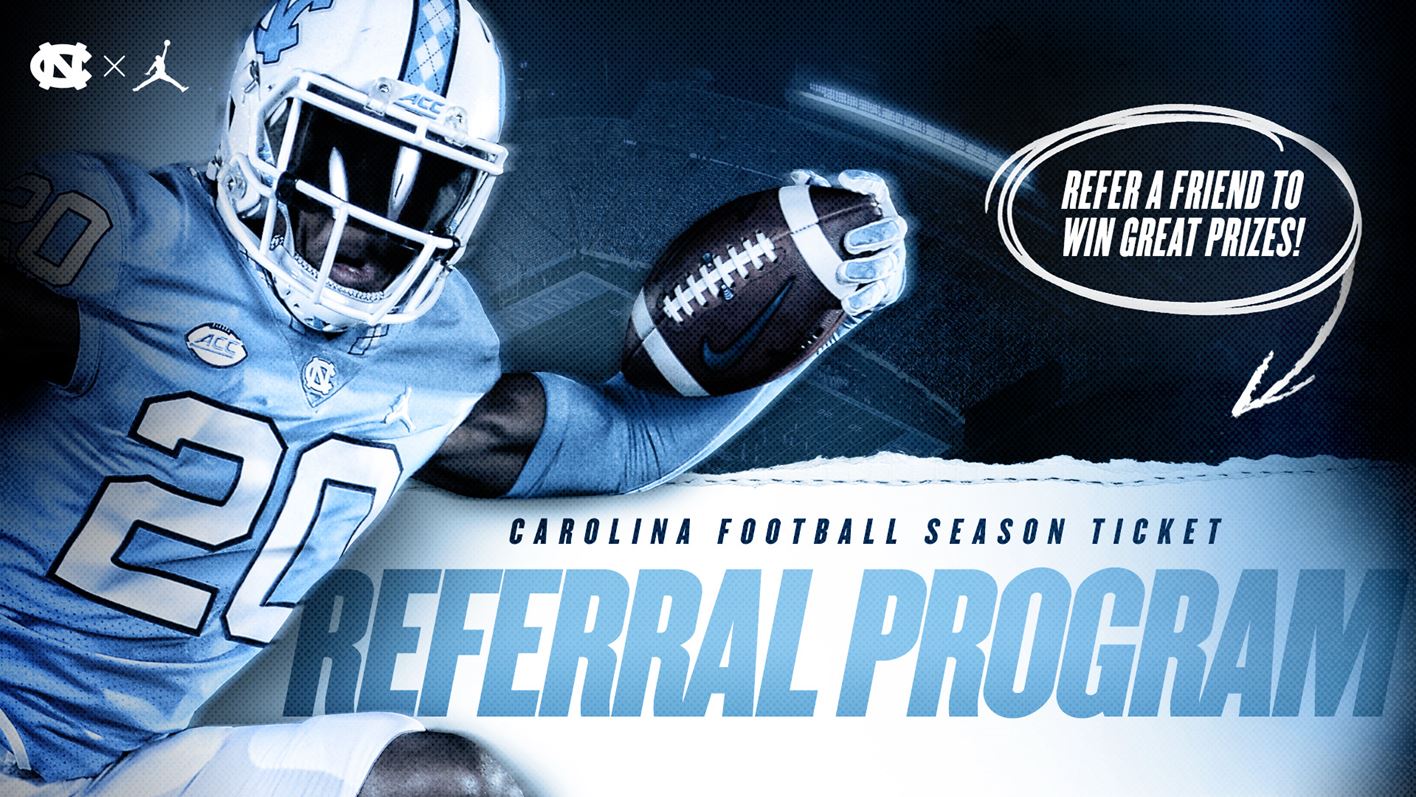
Beyond the standard monetary rewards (cash back, store credit, free subscriptions, discounts), consider more unique rewards for your top advocates. Specialty free products, an exclusive club membership, sports season tickets, or other high-value giveaways make top referrers feel genuinely valued. If your business can’t swing major rewards, company swag works. You’ll be surprised how many customers will refer for a cool t-shirt.
12. Create a community referral program
If you want something outside the traditional referral route, consider creating a community referral program. Instead of rewarding customers, you are contributing to a local business, a school, or other non-profit group.
Papa Gino’s, for example, offers non-profit organizations the opportunity to organize fundraisers in their restaurant. The organization simply books a date at their desired branch, promotes the event to their network, and Papa Gino’s will donate 20% of total sales back to the organization. It’s a win-win!
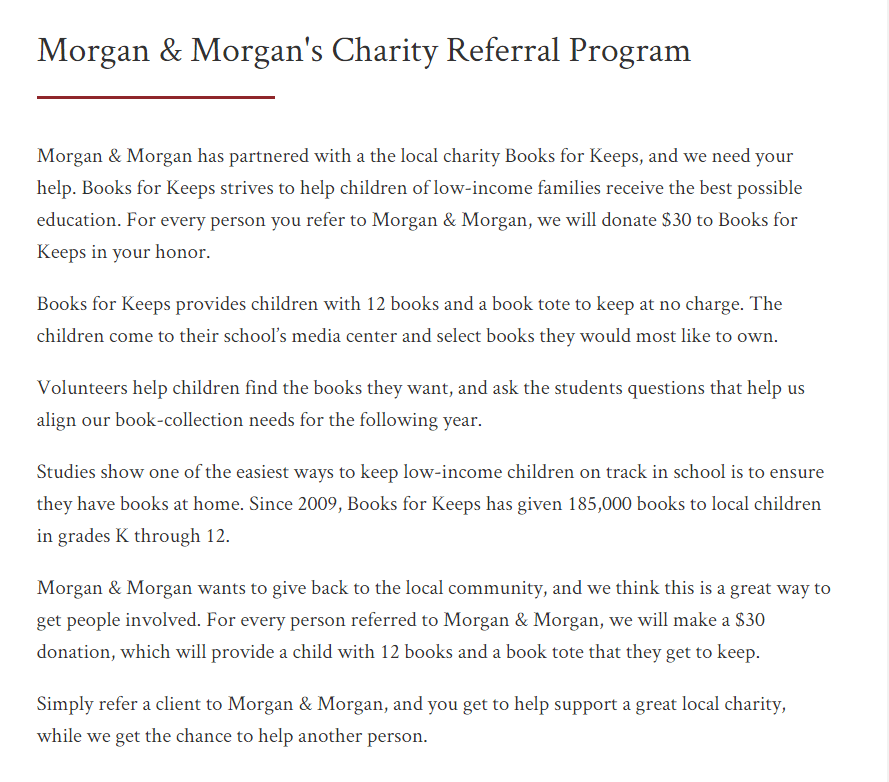
And law firm Morgan & Morgan Attorneys At Law has has committed to promoting reading in their community. For every successful referral made to the law firm, Morgan & Morgan donates $30 to local charity Books For Keeps in the advocate’s honor. Using the $30, Books For Keeps then gives a tote with 12 books to children in a low-income family.
If this type of referral program makes sense for your business, you may find it to be extremely beneficial. Many customers are already willing to refer – giving them a good reason and cause to support will only motivate them even more.
13. Turn your employees into program recruiters
Your employees know your products and services inside and out. They interact with customers daily. That makes them natural program recruiters.
(Note: an employee referral program can serve two purposes: employees recruiting potential employees, or employees referring potential customers. Here, we’re talking about the latter.)
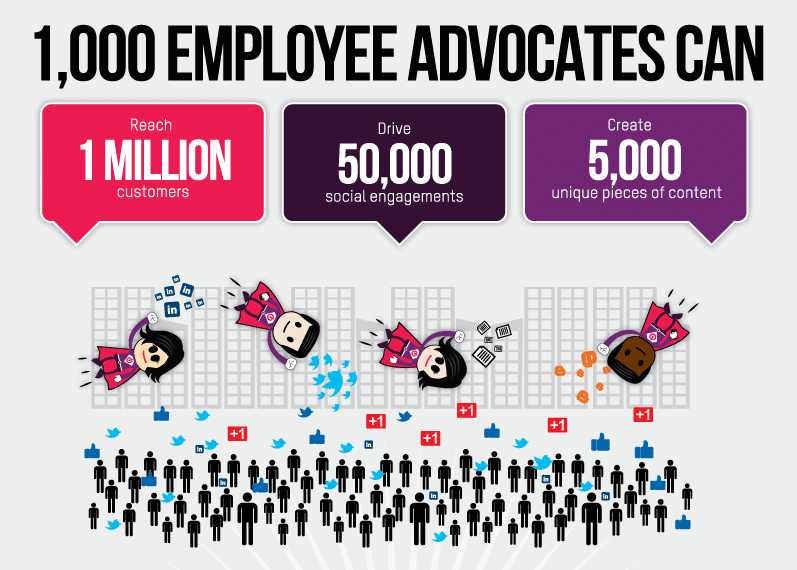
Give each employee their own link and make sharing part of their regular customer interactions. You can run this like a standard referral program with a reward per referral, or hold a monthly contest where each referral earns a raffle entry.
A leaderboard celebrating successful referrals and resulting sales keeps the energy up. Adding elements of gamification makes any referral program more engaging for your team.
14. Know the difference: referral vs. affiliate vs. partner
Before you expand beyond customer referrals, understand what you’re building. These three program types serve different purposes and attract different participants:
Customer referral programs encourage existing customers to share with friends they know personally. The relationship is organic and trust-based.
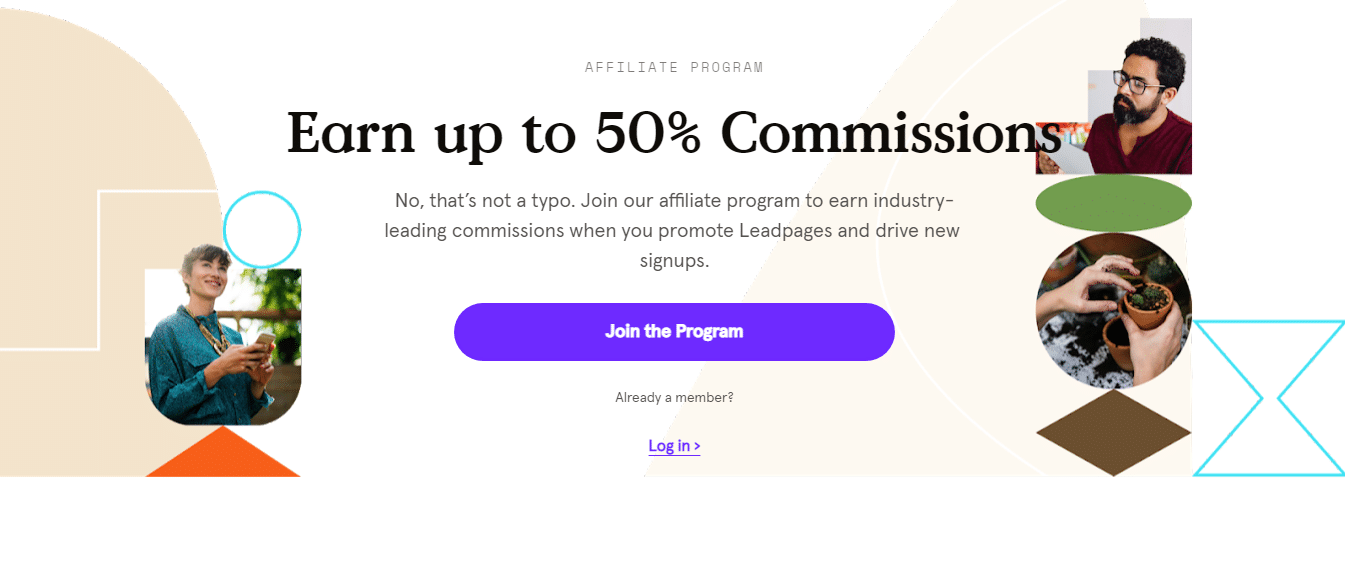
Affiliate programs incentivize content creators, publishers, and bloggers to promote your products for a commission. For example, Leadpages runs an affiliate program that pays 50% commission on referred customers.
Partner programs involve forming business relationships with other companies for mutual referral benefit. They’re more personal than affiliates and work well if you already deal with other businesses. Check out our B2B referral program guide for more on partner programs.
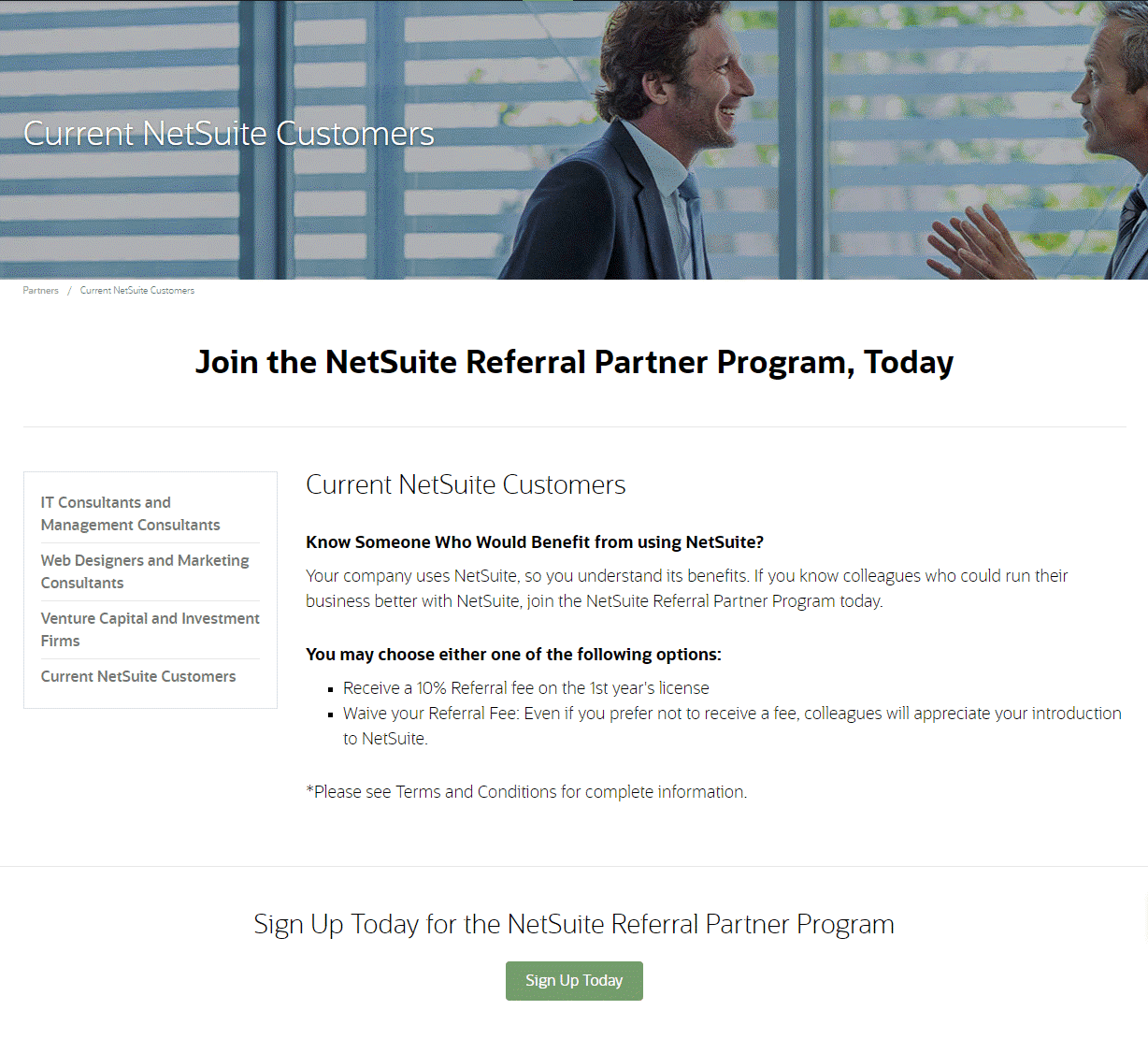
Don’t conflate these. The strategy for customer referrals (which this article focuses on) is fundamentally different from building an affiliate network.
15. Partner with non-competing businesses
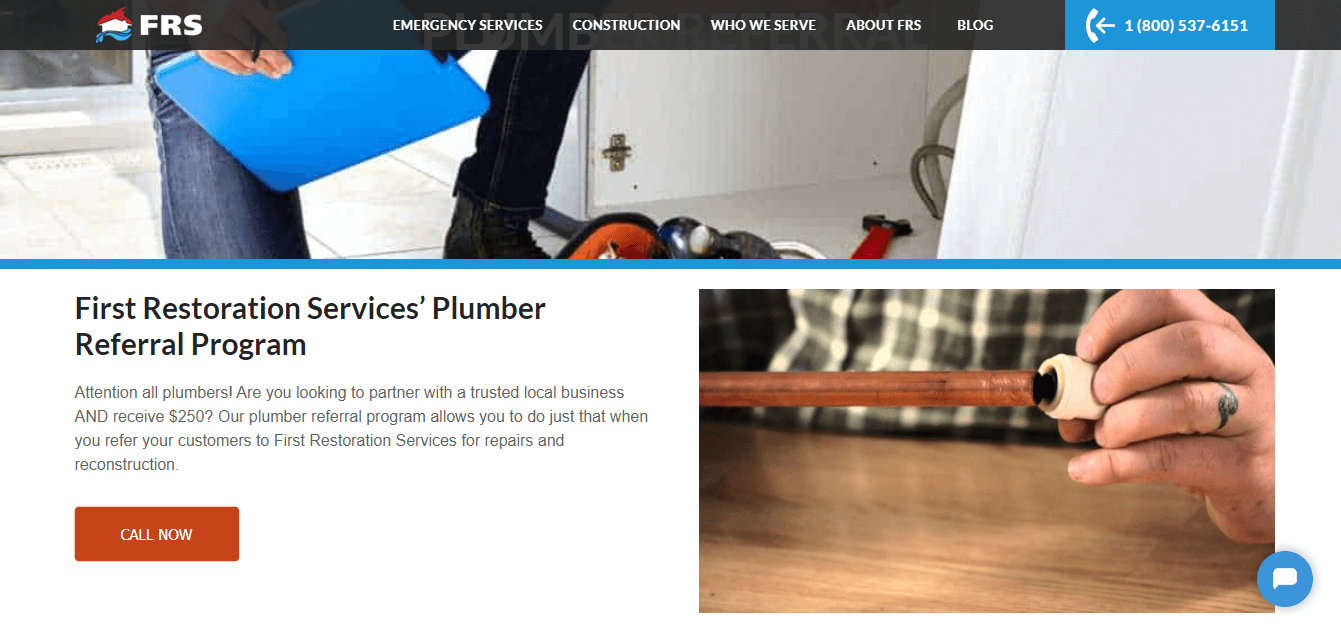
Depending on your business type, you might know of other related but non-competing businesses that could naturally send you customer referrals. For instance, a plumber might send referrals to a restoration or HVAC company, and a travel agent might send referrals to a luggage ecommerce site. Give them their own referral link and invite them to send you referrals. You might even give them their own types of dedicated incentives.
16. Build on word of mouth that already exists
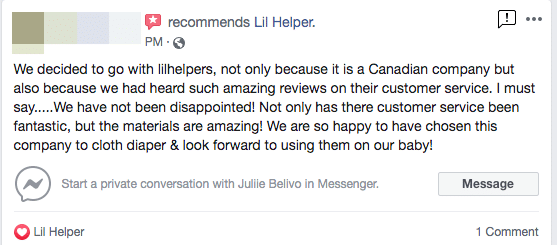
A referral program doesn’t create word of mouth. It captures and amplifies what’s already there. If no one’s talking about you, a program won’t fix that. If people are talking about you, you’re leaving money on the table without one.
Before worrying about program mechanics, ask: what’s driving people to recommend us? There are four drivers of word-of-mouth marketing:
- Product — Does it exceed expectations, save time, or remove pain?
- Service — How do you treat people, especially when things go wrong?
- Value — Do customers feel they got way more than they paid for?
- Story — Is there personality, values, or a narrative that resonates?
The best businesses excel at two or three of these. Being exceptional at even one can make you worth talking about. If you’re strong in at least one area, you have word of mouth worth capturing with a referral program. The program then takes that from random to reliable.
Promoting your referral program
Most programs launch with a big announcement, blast the email list, and hope for a spike. Then activity drops off and the program gathers dust. The programs that work treat promotion as ongoing operations, not a one-time campaign. Build referral touchpoints into your regular customer interactions. Contact lists go stale in 2-3 months, so it’s about volume, surface area, and consistency.
17. Write a headline that explains the offer in one sentence
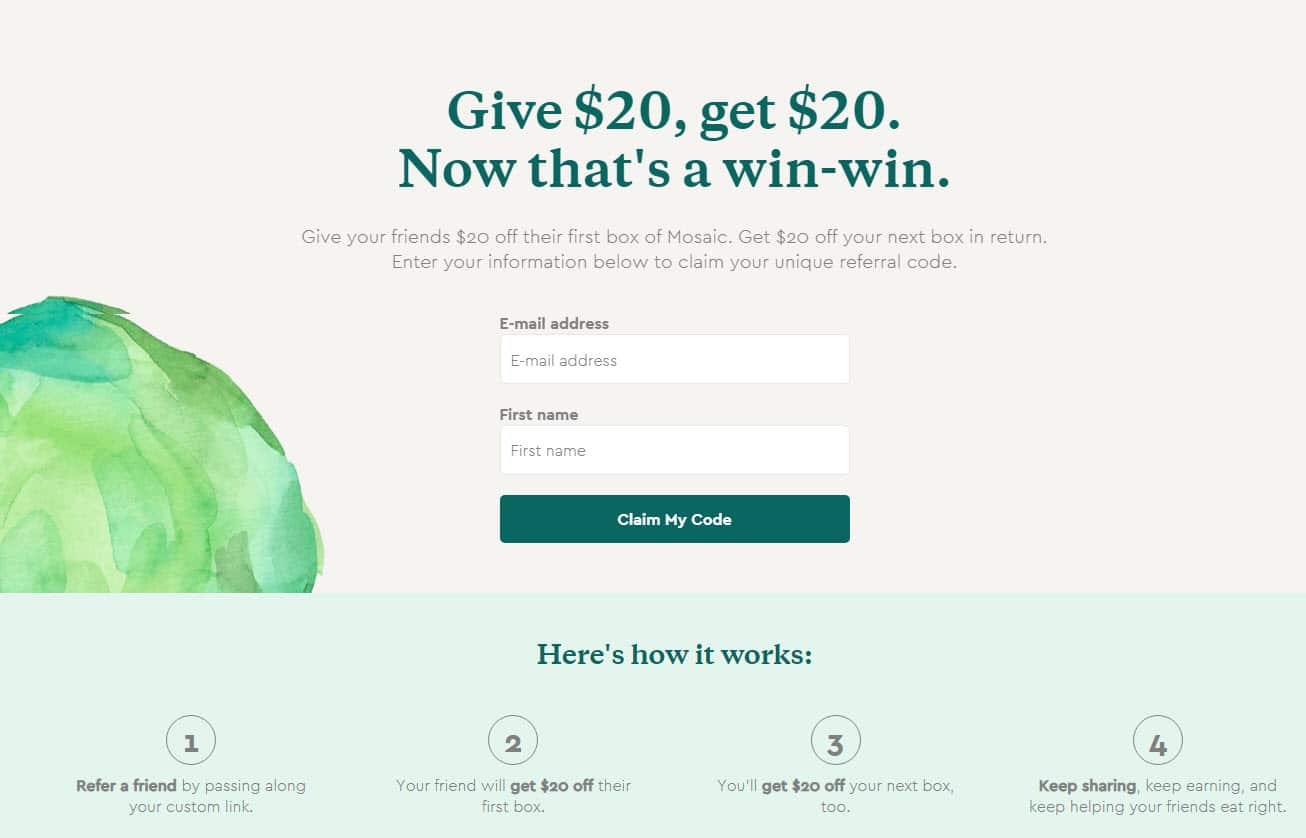
If you can explain your program’s benefit in a single sentence, customers will pay attention. The best headlines use numbers, get straight to the point, and clearly state what both parties get.
Examples from real programs:
- Bombas: “Give 25% off and get $20”
- Greats: “Tell your friends about GREATS and you both get 20%”
- Red Coach: “Invite friends, get up to $50 off, give a free trip!”
Here are a few more you can customize:
- Share 10% Off and Get $10
- Invite Your Friends and You Both Earn a Free Ride
- Give $100, Get $100 for Yourself
18. Send invites when customers are happiest
The best time to ask customers for a referral is when they’re most engaged with your brand. Right after a purchase, a successful delivery, or a great customer support experience.
Event-based email invitations let you reach customers at these moments automatically. Send timed emails after a purchase is made, after onboarding is completed, or following any milestone that signals satisfaction. You can send these immediately after the event or a few days later. (Referral Rock makes it easy to set up and automate these event-triggered invitations.)
Don’t forget to send an email right after a customer earns a reward, too. Celebrate their achievement, give them redemption details, and motivate them to keep sharing.
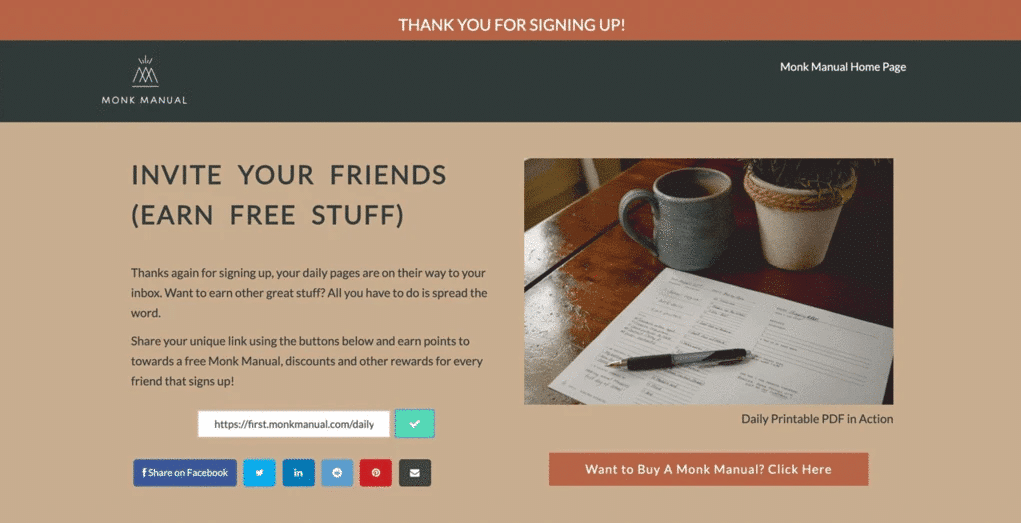
19. Tie into holidays and seasonal moments
As with any marketing campaign, you can also use holidays or other events to draw attention to your referral program. For instance, as Valentine’s Day approaches, you can launch a “Spread the Love” campaign, where you give $20 gift card to both customers and their referred friends during the entire month of February. Or, tie into the “Friendsgiving” concept around Thanksgiving, as Ibotta did.
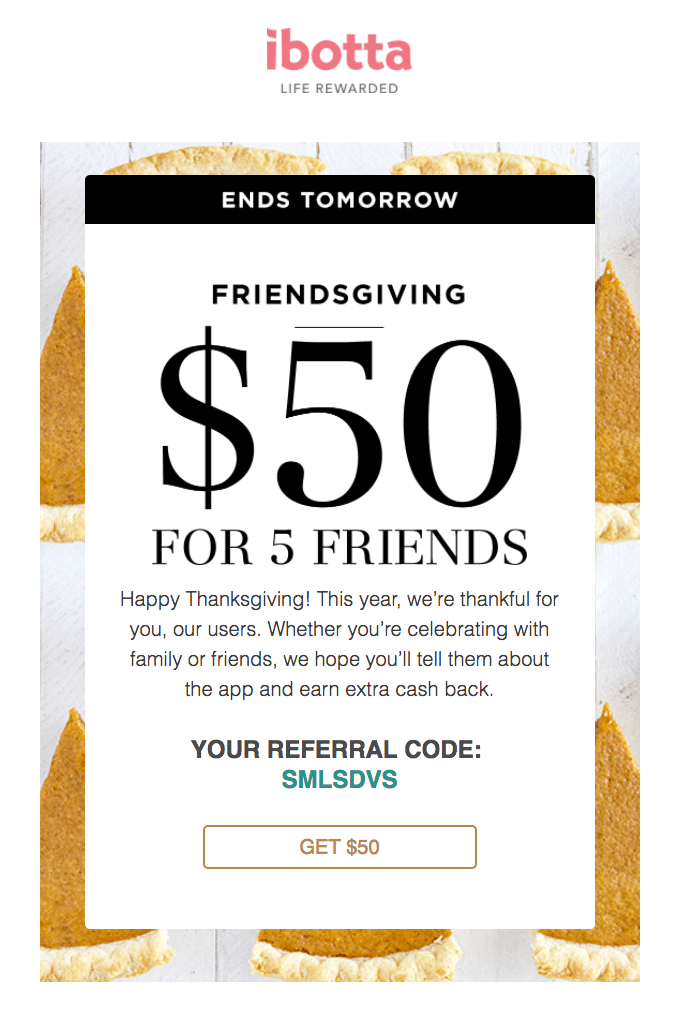
There are holidays for every season – St. Patrick’s Day, Christmas, Independence Day, etc. But don’t feel confined by the Roman calendar, either. You can create a fun brand holiday (i.e., IHOP’s National Pancake Day, 7-Eleven Day), choose a holiday based on friendship (like National Best Friends Day) or celebrate the day your business was founded.
Or why not set a date for a special customer appreciation campaign? After all, having a loyal customer base is all the reason you need to celebrate. Many companies designate April 18 or the third Friday in May as Customer Appreciation Day, but you can always stand out from the pack with any date of your choice.
20. Make your program impossible to miss
Your program can’t generate referrals if customers don’t know it exists. Start with a clean landing page: your headline, 3-4 bullet points covering how the program works, and a clear call to action. Avoid blocks of text. Customers care about the reward and the process, not paragraphs of explanation.
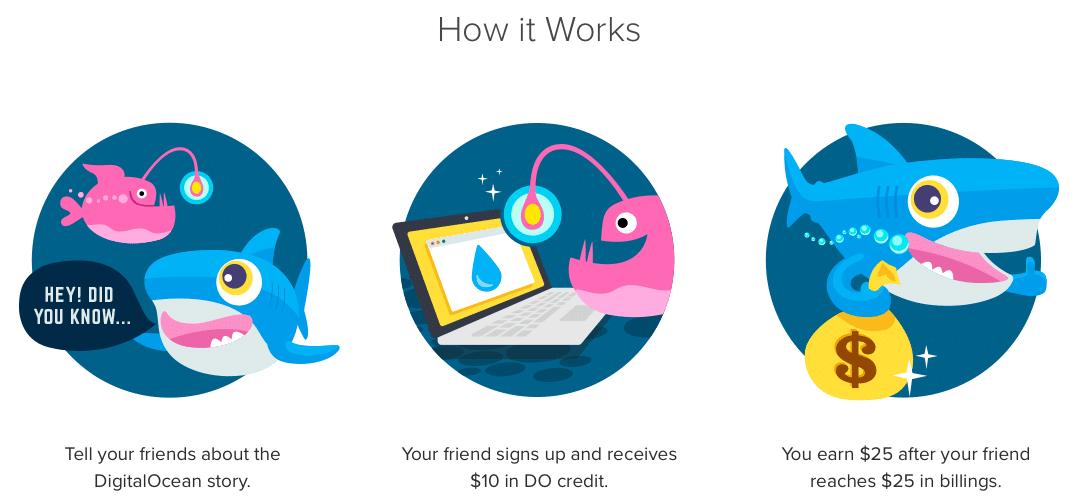
Then promote your referral program everywhere your customers already are. The more access points, the more shares.
Take a look at all the media channels your customers have access to: Are they part of an email newsletter? Are they directed to a thank you page after every purchase? Maybe you have a strong social media following?
Consider every channel of communication as an opportunity to place a link and share your program.
Key places to link or mention your program:
- Your website navigation or homepage
- Your customer portal (if you have one)
- Existing email marketing campaigns (in the body or email signature)
- Thank you or confirmation pages after purchase
- Invoices/Transactional emails
- Social media profiles and posts
- Flyers or printed collateral with a QR code linking to your program page

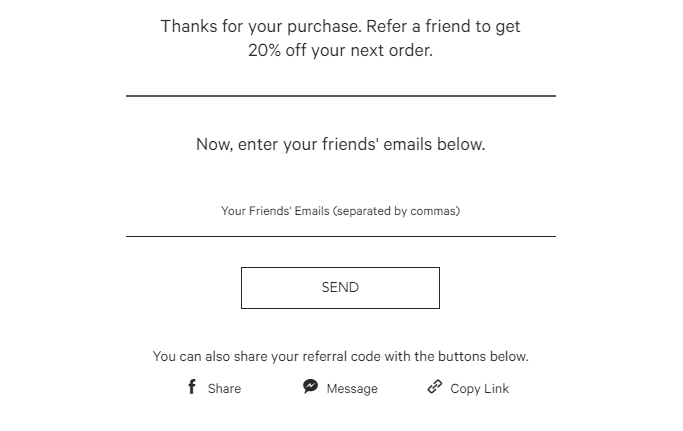
Think about every channel your customers interact with and treat each one as an opportunity to surface your program.
21. Thank customers with a referral invite
How can you thank your customers for supporting your brand? By offering them the opportunity to earn rewards! Along with a sincere note of thanks, an invitation to join a refer-a-friend program is a great way to foster relationships with your customers.
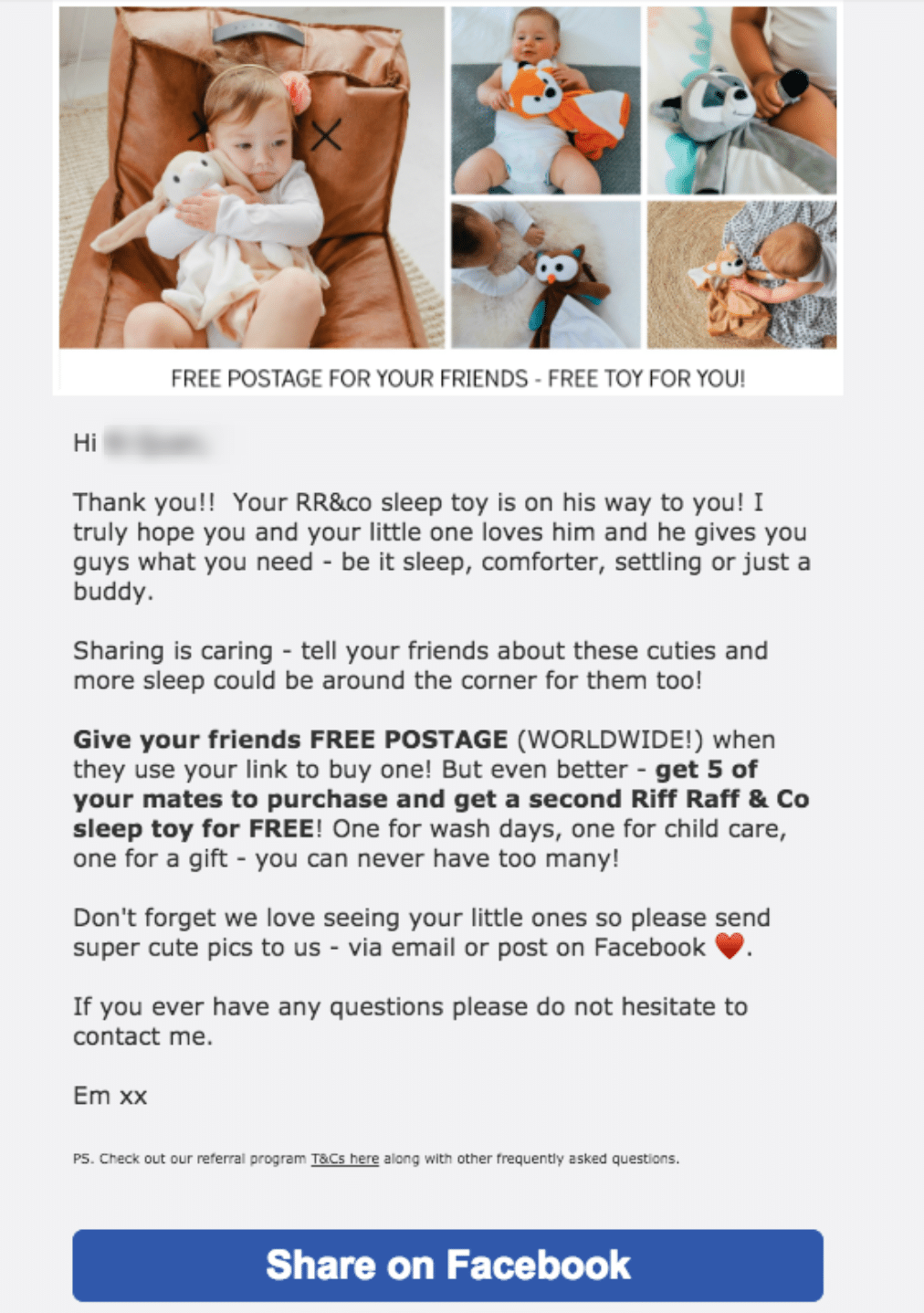
Not only will your customers feel appreciated and recognized, they will also be more open to engaging with a brand they already know and like. You can include this thank you note and invite in a personalized email, or on a dedicated thank you page displayed right after a customer makes a purchase.
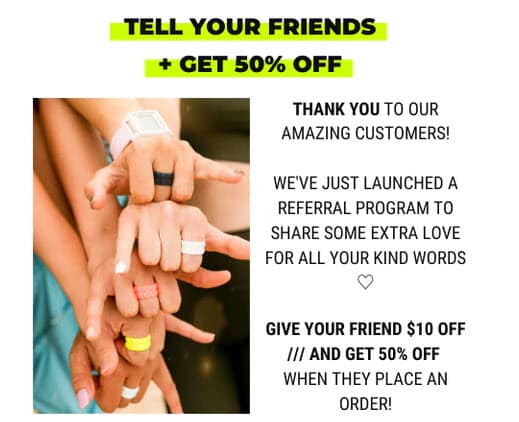
Or, you can thank your customers all at once, with a social media referral program announcement focused on showing your appreciation.
22. Re-engage past participants with strategic emails
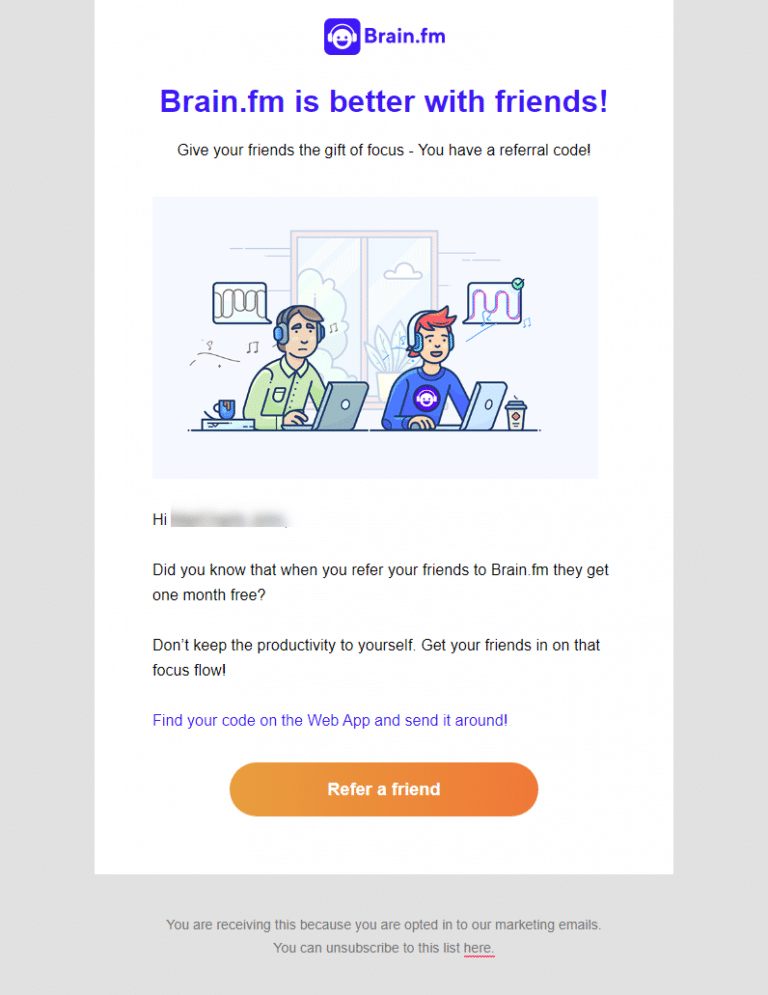
People have a lot going on. They’ll forget about your referral program if they aren’t reminded. A friendly nudge is often all it takes to get someone sharing again.
Referral Rock lets you send customized Monthly Summary emails to all your members, recapping their sharing activity and encouraging continued referrals. These emails consistently drive increased engagement.
You can also automate referral emails to all customers at regular intervals (monthly to quarterly), including those who haven’t signed up yet. For people who showed interest but went quiet, send quarterly re-engagement emails to bring them back.
Referral program software: Putting it all together
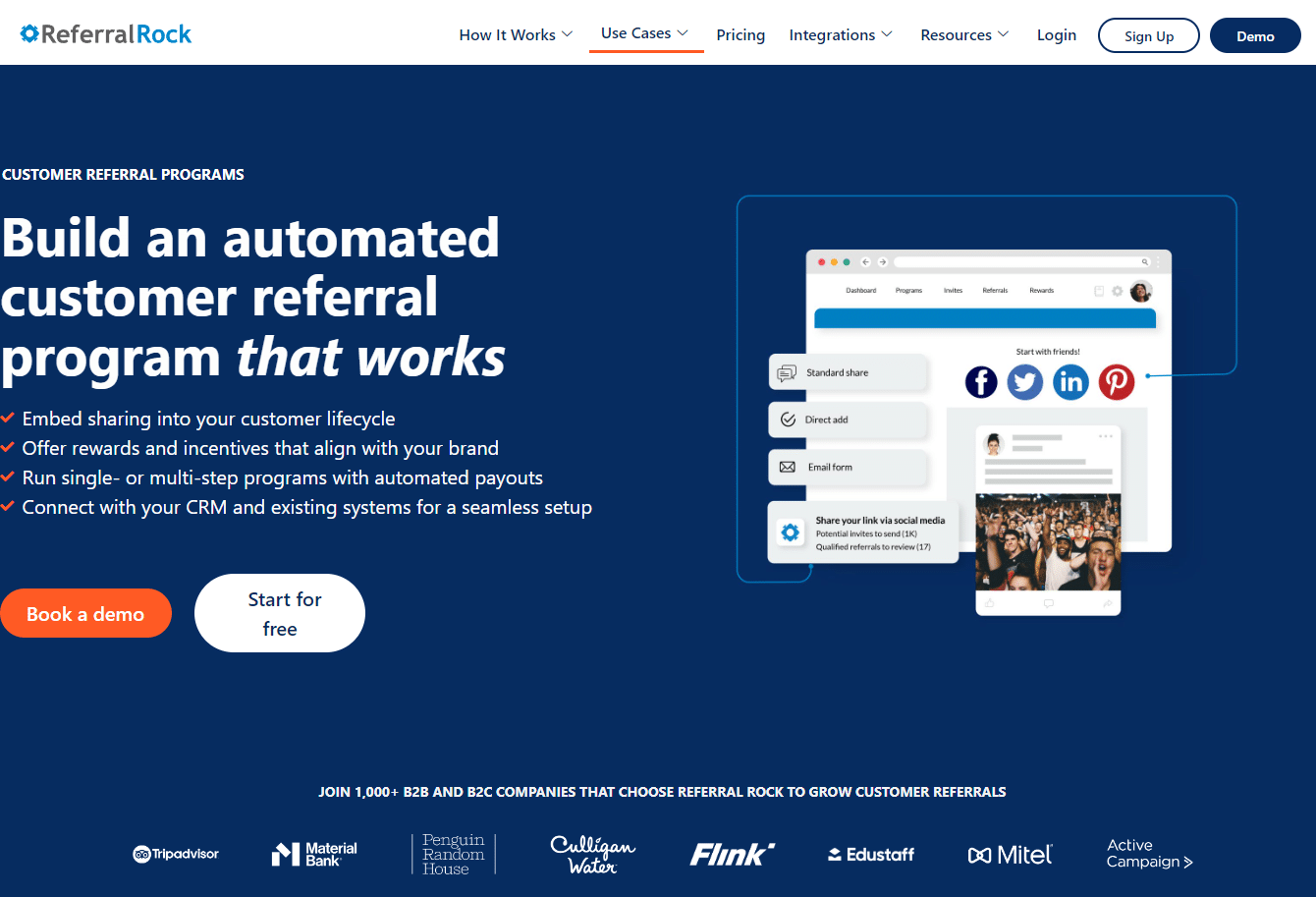
The right referral software handles tracking, automates promotion, and triggers payouts when customers earn rewards. If you’re running a tiered program, contest, or other specialized structure, make sure your software supports it.
Referral Rock lets you set up any type of referral program for any industry, including gamified, tiered, and multi-step programs. It’s flexible enough to run affiliate and partner programs too. Set up and launch in days, no coding needed.
Make it easy for the people who already love you
The ideas on this list span incentive design, building advocates, and promotion. But the thread connecting them is the same: make it easy for people who already love what you do to share that with their friends. Focus on the friend, promote continuously, and keep access open.
For a deeper dive into building your program from scratch, check out our ultimate guide to referral programs. Ready to get started? Learn more about building a customer referral program with Referral Rock, see how CoolBot used a referral program to turn customers into brand ambassadors, or browse more referral program examples for inspiration. You can also download our Referral Program Workbook, with 15 actionable guides & 101 real-world examples.