
Franchises have a built-in advantage when it comes to referral programs: multiple locations, each with their own customer base and local reputation. That’s a lot of word of mouth already happening. The question is whether you’re capturing it.
A franchise referral program can work in two directions. It can help you recruit new franchise owners, or it can drive new customers across your existing locations. Either way, the programs that actually produce results aren’t the ones with the flashiest launch. They’re the ones built into how the franchise already operates.
This guide covers both types of franchise referral programs, what you need before starting one, and how to build a program that keeps running after launch day.
What is a franchise referral program?
A franchise referral program gives your existing customers and partners a simple way to share your franchise with people they know, and rewards them when those referrals turn into results. The program tracks every referral automatically through specialized software, so you’re not managing spreadsheets or relying on people to report names manually.
Two types of franchise referral programs
Franchise referral programs can be divided into two types:
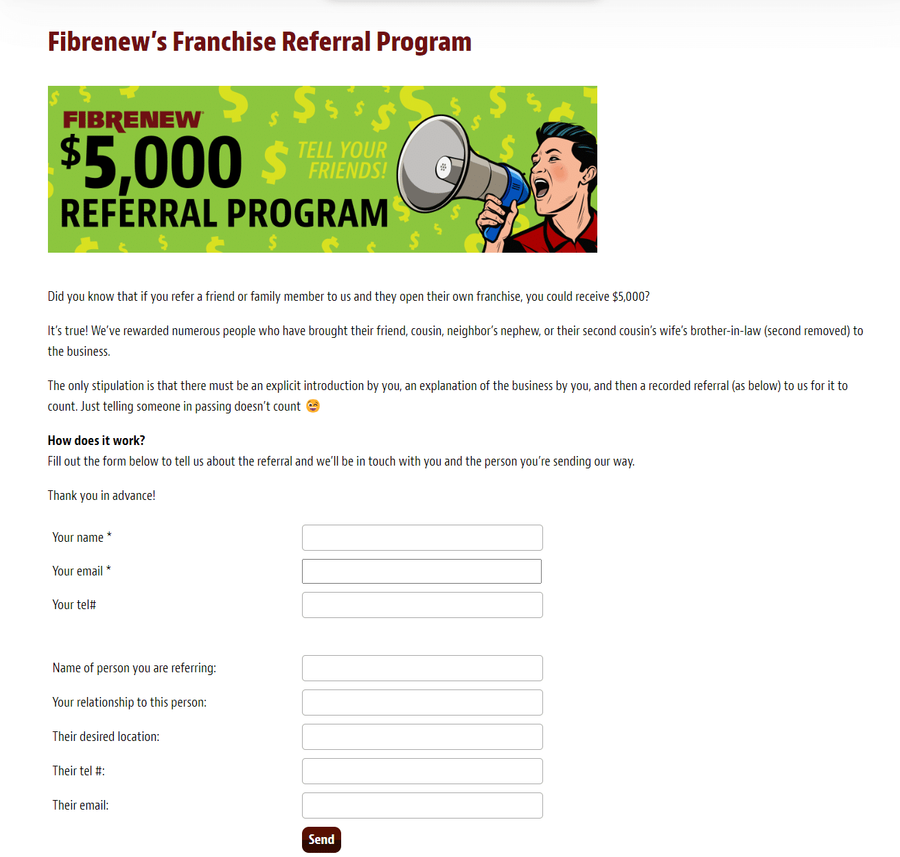
- Franchise owner referral program: In this type of franchise referral program, you invite people to attract new franchise owners, to expand your number of franchise locations.
- You could invite existing franchise owners, brokers, consultants, and people connected with franchise owners to make referrals – essentially, anyone who is familiar with what’s needed to run a franchise.
- Franchise customer referral program: This is a referral program that your franchises use to convince your existing customers to refer new customers.
- In this scheme, each franchise might have their own referral program portal, but all the referral programs are usually very similar in how they operate.
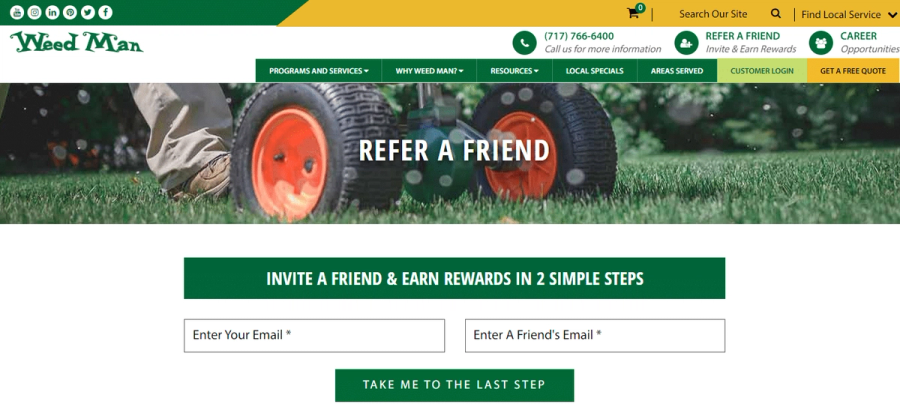
- Or, all franchises might link to the same referral program. A prime example of this is the Weed Man lawn care franchise referral program. Each program has a similar appearance and reward rules, and each is run with the same referral software.
In this article, we’ll talk about best practices for both of these types of franchise referral programs.
You might also consider a franchise affiliate program to boost your growth; we’ve got everything you need toget started.
Why franchise referral programs work
Franchise referral programs bring real advantages over other growth channels:
- They harness trust. People trust their peers far more than ads. They’re more likely to become a franchise owner or customer if someone they know refers them.
- They’re cost-effective and low-risk. You pay for referral software once, then only pay rewards when referrals actually convert. Unlike ads, you’re paying for results, not impressions.
- They let you track everything. Software tracks every referral in real time, from the moment it’s made to when it converts.
For franchisee recruitment specifically, there’s a built-in vetting advantage: franchise owners and connected parties know what it takes to run a franchise, so they refer higher-quality candidates. Referred franchisee candidates are also more likely to make the purchase and open the franchise, because they trust the person who referred them.
For customer programs, referred customers are more likely to purchase and tend to be more loyal, with a 16% higher lifetime value on average compared to non-referred customers.
Are you ready for a franchise referral program?
Not all franchise businesses are ready for a referral program. Before you start one, ask the foundational question: are people already talking about you?
A referral program doesn’t create word of mouth. It captures and amplifies what’s already there. If customers aren’t already recommending your franchise locations to friends, a program won’t manufacture that. You need to earn the conversation first through the experience you deliver.
The real readiness signals:
- Your operations are tight. Franchise locations deliver a consistent experience. Scheduling is easy, follow-through is reliable, and when things go wrong, your team recovers well. Consistency becomes your reputation.
- Word of mouth is already happening. Customers refer you informally. You’re getting positive reviews. People mention you to friends without being prompted. That’s the energy a program captures.
- But there’s no system in place yet. Referrals happen, but you can’t track them, make them easy, or thank people for them. You’re leaving value on the table.
Once that foundation is in place, the logistics matter too:
For franchisee recruitment programs, you need:
- A fairly large company with several franchises already
- Knowledge of what makes an ideal franchisee (so referrers know who to send)
- Rewards that would motivate referrals of high-value franchise candidates
For customer referral programs, you need:
- A healthy list of satisfied existing customers (ideally, some who already refer you without prompting)
- Quality products or services worth referring
- Buy-in from your franchisees to help maintain the program
- A high level of customer satisfaction (checking your reviews is a great way to confirm this)
- An existing online presence to direct referred leads to
- Knowledge of the rewards that would motivate customers to make referrals (and new leads to purchase)
How to build a franchise referral program that keeps running
Now that you’re aware of the franchise referral program benefits, and you know whether you’re ready for one, it’s time to set your program up for success with these best practices. This first set of best practices is essential no matter what type of franchise referral program you run.
Use referral software to manage your program
Referral software is essential for a franchise referral program. The right software streamlines program creation and automates management, from tracking to reward fulfillment.
If you’re running a program across many franchise locations, you’ll need software that can manage multiple programs. And if you want a complex reward structure (like different rewards for different numbers of referrals or stages in a franchise buying process), only a select few platforms can handle this. Referral Rock supports both.
Manage multiple referral programs for all your locations, decide who runs the program, across every brand and location, and keep all your programs consistent.
Referral software lets you track exactly where every referral came from, instantly issue rewards for successful referrals, and collect data to measure and refine your program.
Make it easy to share (and skip the signup form)
Here’s where most franchise referral programs create unnecessary friction: they make people fill out forms, create accounts, or jump through hoops before they can refer anyone.
The best referral programs have no join button. Everyone is already a member. Give every customer a referral link by default, no signup required. The fewer steps between “I want to refer someone” and “here’s my link,” the more referrals you’ll get.
When people are ready to share, make it seamless:
- Give multiple sharing options based on how people naturally share: email, social media, direct messaging, and a referral link they can copy and paste anywhere
- Include direct email and social media sharing where the link is automatically included
- Create an enticing headline that states what people should do (share) and what’s in it for their friend
- Concisely explain the program in a few simple steps
- Include an easy-to-find CTA button in a color that stands out
If you do need to collect information about the referred person, keep it minimal. Referrer name and email plus lead name and email is enough to get started. You can ask for more later.
Make the first message feel like a gift, not a pitch
The message the referred friend receives is often their first impression of your franchise. This is where the friend factor matters most: the referral should feel like a gift the sharer is giving their friend, not a transaction.
Think about it from the friend’s perspective. They’re getting a recommendation from someone they trust. If the message reads like a sales pitch, that trust evaporates. If it reads like their friend is doing them a favor, it lands.
- Make sure the message sounds like it’s coming from a peer, written in their name
- Ideally, at least part of the message should be in the referrer’s own words (a personalized note they add before sending)
- You can also use a prefilled message that sounds natural, or suggest what they could include
- Explain why the friend should consider the franchise (a purchase or a franchise opportunity), with an eye-catching CTA
A share carries further when it feels personal at every step, from the invitation sharers get, to the message they send friends, to the page their friend lands on. Here’s how to personalize the share experience with Referral Rock.
Thank your referrers
Send a personal thank you whenever someone’s referral converts, whether that’s a purchase or an interested franchisee candidate at any stage. Feeling appreciated keeps people referring. You might also post a public thank you on social media for big wins, like a referred friend purchasing a franchise.
Franchisee recruitment programs: What’s different
If you’re building a referral program to grow your number of franchise locations, these additional practices will help:
Use tiered rewards for a long decision process
Opening a franchise is a major business decision. The process from referral to signed franchise agreement takes time, and many referrals won’t result in a new franchise opening at all. If referrers only get rewarded at the end, they lose motivation long before that.
Tiered rewards keep referrers engaged through the whole process, and motivated to keep sharing:
- First reward (small, like a $5-$10 gift card): when a prospective franchisee reaches out
- Second reward (larger gift card or smaller cash payout): when the candidate is qualified
- Significant reward (large cash payout, valuable tangible reward, or even travel expenses paid): when the candidate signs the franchise agreement
Since franchise purchases are large investments, the final reward should reflect the value of the franchise purchase the referrer drove.
Referral Rock is flexible enough to run a multi-step program like this, with completely customizable incentives and reward stages.
Make referral terms clear
Make sure referrers know the rules of your program:
- Who should they refer (What makes an ideal franchisee? What are the requirements for someone to buy and maintain a franchise? Who would not be a good fit?)
- Make sure detailed requirements for owning a franchise are clear – especially for people who don’t own franchises themselves
- When does someone become eligible for different referral rewards?
Pro Tip: A referral program FAQ is an easy way to clear up concerns about terms, without cluttering your main referral program interface.
Keep referrers in the loop
Referrers want to know if the franchise candidates they referred expressed interest, were qualified, or chose to buy a franchise. They’re invested in the process, so keep them informed. With software, referrers can check the progress of all candidates they referred. Being transparent about progress makes people more likely to refer again in the future.
Customer referral programs across franchise locations: What’s different
Ready to get new customers throughout your network of franchises? Follow these additional essential tips when starting a referral program:
Get franchisees on board first
When you run a customer referral program across multiple franchise locations, branding and structure should look consistent. Ideally, programs should offer similar rewards across all franchises, but franchisees should have some flexibility to vary rewards for their market. Referral software can help you maintain uniformity by hosting one program for all franchises, or multiple regional programs under the same brand.
Frame rewards as a gift for the friend
Most programs are designed backwards. All the energy goes into what the referrer gets: “Refer a friend, earn $20.” But that framing makes the referrer feel like they’re monetizing their relationships. Nobody wants that.
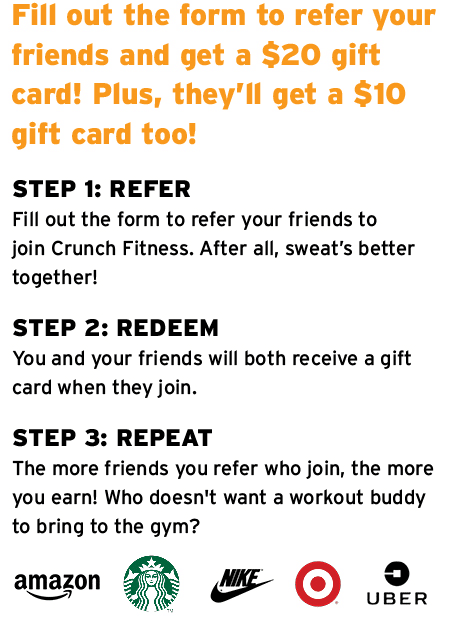
Flip the focus. Frame the referral as a gift the sharer is giving their friend. When the friend gets something valuable (a discount on their first purchase, a free upgrade, credit toward their order), the referrer feels good about sharing, not transactional.
Double-sided rewards (for both referrer and friend) are the strongest structure for customer referral programs. They motivate the referrer to share and give the friend a reason to act.
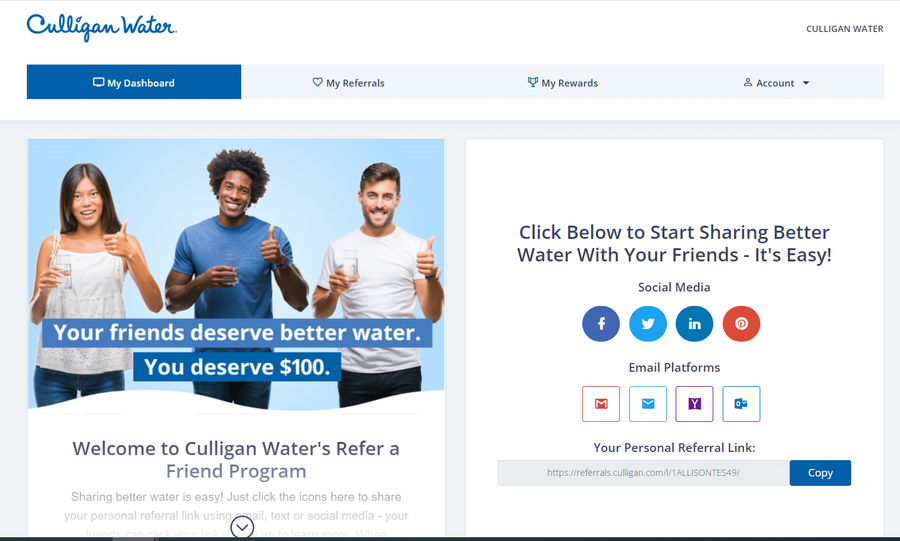
Culligan International saw this firsthand. Many of its dealer groups already ran successful referral programs, but rewards were one-sided and managed manually. When they piloted Referral Rock, shifted to two-sided rewards, and integrated with each dealer group’s CRM to make reward management easier, everything changed.
“It took time for the new referral program to match the volume of the manual referral program,” says Allison Mortland, Senior Digital Marketing Manager at Culligan International. “But once we shifted to 2-sided rewards, where both the referring member and the referral are rewarded, that’s when the change happened and the numbers really started to go up.”
For the referrer, the right reward depends on purchase frequency:
- Frequent purchases: Credits, cash back, free products, and upgrades work well since they can be applied to later purchases
- Infrequent purchases (service businesses): Gift cards to other businesses, event tickets, tangible gifts, and cash back (referral fees) work better since the referrer won’t purchase again soon
For the friend, rewards should always tie back to your company (discounts, credits, cash back on the purchase, upgrades) to encourage that first purchase.
Use our referral reward calculator to determine how much to offer the sharer and their friend, for the best ROI.
Consider tiered and gamified rewards to motivate repeat referrals
Cumulative incentives that increase with each successful referral add motivation for customers to keep referring friends. You might also enter all referrers into a drawing for a larger reward (like season passes or a tech item), where one referral equals one drawing entry.
Not all referral software can handle tiered programs and referral contests, but Referral Rock is robust enough to run programs with these structures.
Set and track revenue-related goals
Setting and tracking program goals tied to revenue will help you know whether your program is successful at a glance. Mainly, you’ll want to track your conversion rate: percentage of referred leads that become customers. In addition, it’s recommended to track the percentages of customers making referrals, revenue generated through your program in given time periods, average purchase value of referred customers vs. all customers.
Once you’ve been running the program for a while, check your ROI, and use your data to inform any changes you make to your program (or to support maintaining your program structure).
Keep your referral program running (don’t just launch it)
This is where most franchise referral programs fall apart. The launch goes well: big announcement, blast the email list, maybe a spike in referrals. Then it fades. Three months later, nobody remembers the program exists.
The programs that work treat promotion as ongoing operations, not a one-time event. Build referral touchpoints into how your franchise already runs, so the program keeps producing without a dedicated “push” each time.
For franchisee recruitment, promote through:
- Referral emails sent to existing franchisees (all should receive one, but make it feel personal)
- Newsletters and updates that franchisees already receive from you
- Email signatures and social media bios
- Your franchisee portal, if you have one
- Direct conversations with franchisees. Ask them to mention the opportunity to friends, family, and colleagues who might be interested
For customer programs, promote your program through:
- Your website (a hero image or banner where it’s easy to find, plus menu buttons)
- Emails focused on your program, plus mentions in confirmation emails, invoices, and other routine emails
- Personal referral emails to your most satisfied customers
- Email signatures and social media bios
- Direct conversations when you know a customer is satisfied
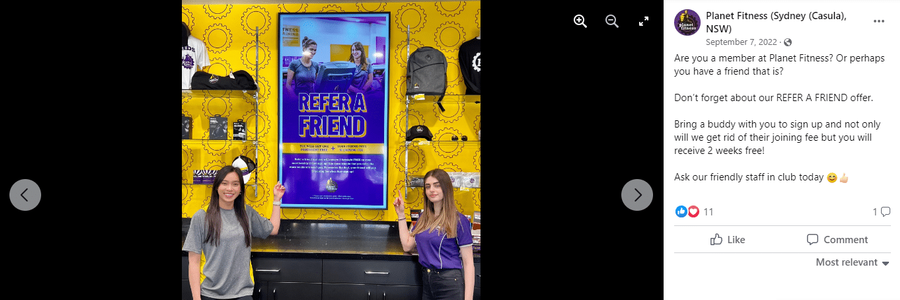
The key is variety and consistency. Don’t rely on a single channel or a single blast. A contact list goes stale in 2-3 months. New customers are always coming in, and each one is a potential referrer who hasn’t heard about the program yet. Keep it rolling.
Build a franchise referral program that compounds
A franchise referral program is one of the few growth channels that gets stronger over time. Each new location adds more customers. Each satisfied customer is a potential referrer. The compounding only works if the program keeps running, which means building it into operations rather than treating it as a marketing push.
Start with the foundation: make sure your franchise locations are delivering experiences worth talking about. Then make it easy for people to share, frame the referral as a gift for their friend, and keep access open so you never gate out your best advocates.
Referral Rock is built for exactly this kind of franchise program. Whether you’re recruiting franchisees or driving customers across locations, book a demo to see how it works.

About the author
Content Specialist & Referral Program Advisor
Jess has been with Referral Rock since 2019. She has been a critical part of our content team and has been responsible for writing, reviewing, and maintaining our content library as well as our product support documentation. She is meticulous in her research, writing, and review process. More recently she has helped review and draft referral program messaging for our customers. This has helped her create a unique feedback loop where she sees referral programs in action, helps launch them, and also contributes to our articles.