A referral contest gives your customers a reason to share right now. A prize, a deadline, a little competition. It’s one of the best tools to spike referral activity in a short window.
But most referral contests make the same mistake: they focus entirely on what the referrer wins and ignore the friend’s experience. And when the contest ends, so do the referrals.
This guide covers how to run a referral contest that actually drives results, the contest types, how to structure prizes, and how to make sure the momentum doesn’t die when the winner is announced.
What is a referral contest?
A referral contest is an online event where customers share your business with friends and family using a unique referral link to enter. Each customer’s referrals connect back to them through that link, allowing them to enter either a contest for generating the most referrals or a random raffle drawing.
Prizes and referral rewards incentivize participation. All referrers get a small incentive, but they also stand to win larger prizes for bringing more leads or sales to your business.
Types of referral contests
There are several ways to run a referral contest, and you can tailor your style based on your brand personality and the interests of your audience. Gamified referral programs, formal entries, and social media events are all possible approaches.
However, when it comes to how you decide a winner and deliver prizes, there are three main types of referral contests to choose from.
1. Referral drawings / raffles
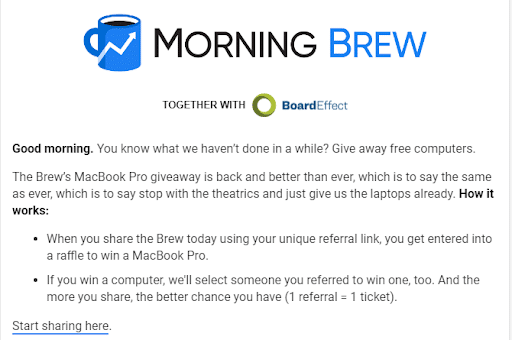
A referral drawing or raffle enters every participating customer as a potential winner of the grand prize. Each successful referral (someone who becomes a new customer using the referral code of an existing customer) earns a “raffle ticket” entered in the random drawing. Those who make more referrals have a higher chance of winning, but anyone with a single successful referral could win.
A popular example is the Morning Brew newsletter’s MacBook Pro giveaway series, where drawing winners win a MacBook Pro for themselves and the friends they referred. Morning Brew still runs these drawings at random times to boost their subscriber base.
2. “Most referrals” contests
A more traditional type of referral contest is the “most referrals” contest. This approach tracks how many successful referrals each participating customer makes, and the one who brings in the most new clients wins the grand prize. Many “most referrals” contests also give runner-up prizes for the top three or top ten, so everyone stays engaged.
“Most referrals” can relate to direct referrals or to the total order value of the new customers referred by the winning participants.
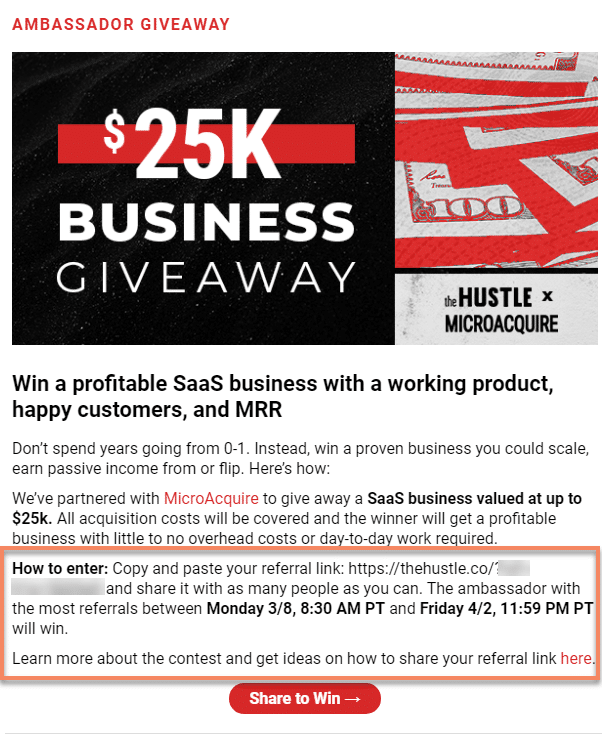
The Hustle newsletter once gave away a business worth $20K to the winner who made the most referrals in a month.
3. Referral leaderboards
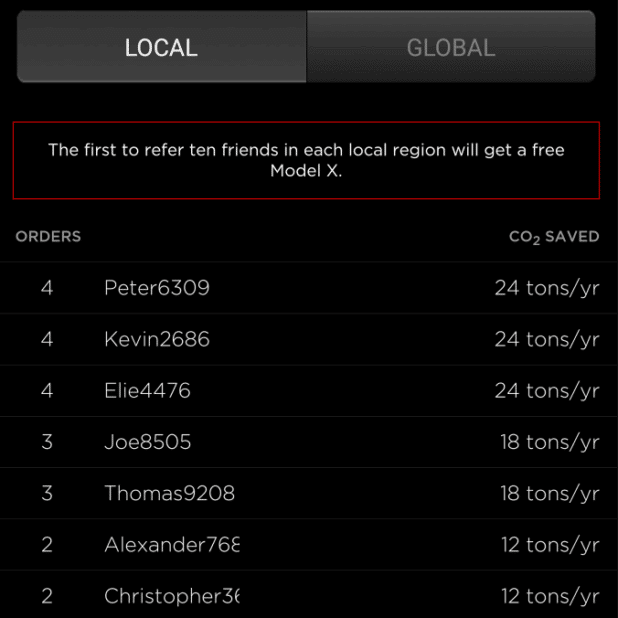
Leaderboard referral contests can last over several months and tend to have far more prizes and tiers of prizes. Otherwise, the method works similarly to the most-referrals model. Customers can always see where they are on the leaderboard, providing live and motivating competition for those with many friends or followers they can persuade to join your customer base. Top referrers over certain achievement thresholds win increasingly grand prizes, and your leaderboard may remain active over several giveaway periods.
Why referral contests work
Word of mouth is the most trusted form of marketing. A referral contest taps into that trust while adding urgency. Customers share with more people, faster, because there’s something at stake.
The real power is in creating super-sharers. Contests motivate people to share with everyone they know (casting a wide net) in a short window to win the grand prize. That concentrated burst of sharing creates visibility that a steady-state program alone can’t match.
How to run the best referral contest
The best referral contests are planned from beginning to end with smooth features, fun implementation, and a motivating reward for those who participate. Here are our tips for running a successful referral contest.
1. Choose a grand prize worth competing for
The grand prize needs to be significant. You’re asking customers to go out of their way to advocate for your brand, and you’re looking to reward someone who may bring you dozens or hundreds of new customers. The reward should match that effort.
Make sure it’s something your audience actually wants. A prize that resonates with your specific customers will drive more participation than a generic gift card.
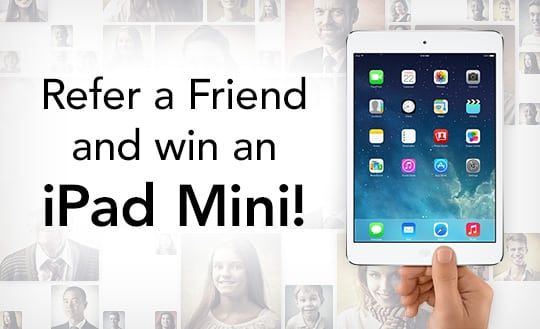
This big reward could be a tech item like a laptop or gaming rig, season tickets for a sports arena, a high-value gift card, a luxury vacation, or even a vehicle.
2. Offer multiple prize tiers
Don’t just issue one grand prize. If people see someone pulling ahead (perhaps an influencer with thousands of followers), they’ll get discouraged if only one prize is available. That leads to fewer referrals overall.
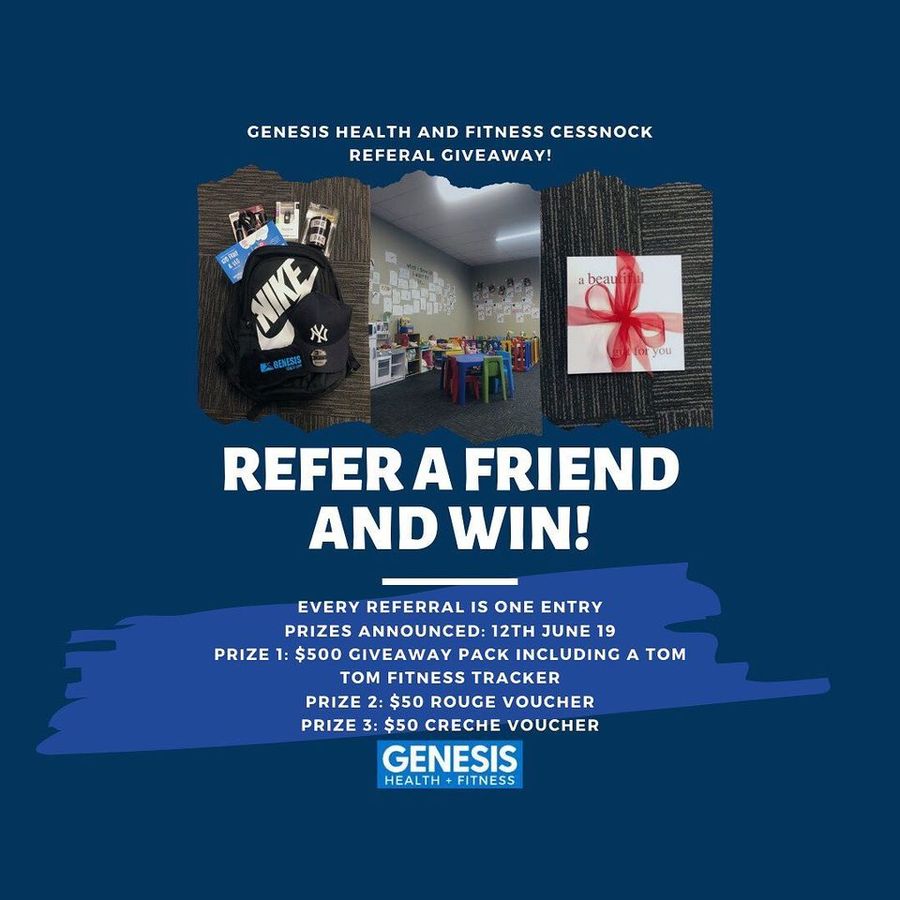
Offer tiers of prizes that reward the top three, top five, or top ten. You could even have enough rewards for a few dozen people who reach certain thresholds of referral success. This gives everyone a better feeling that they have a chance, and keeps them engaged.
Make sure these secondary prizes are still worth competing for. You don’t have to spend as much as the grand prize, but they should still feel valuable.
3. Reward every participant, not just the winners
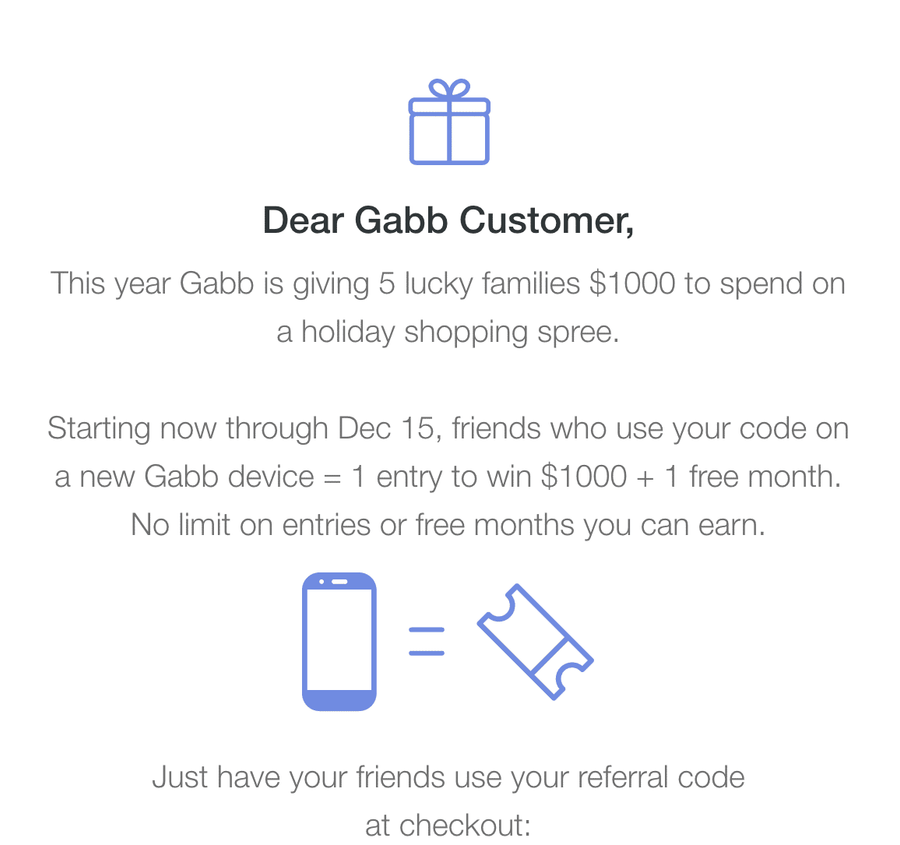
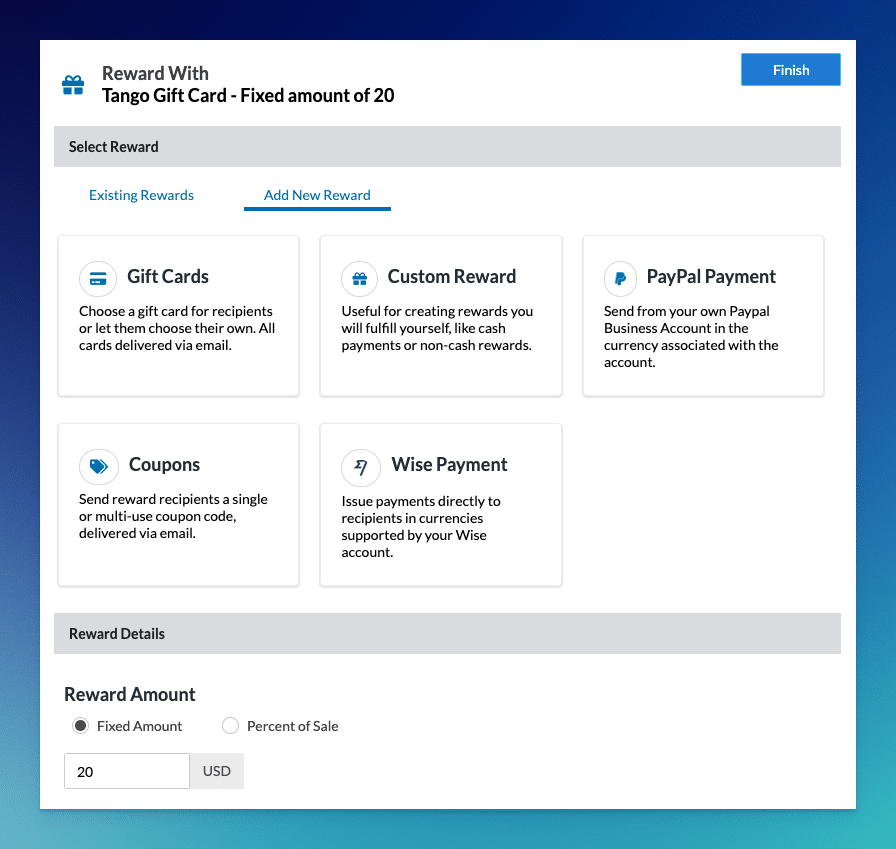
Big prizes aren’t your only option to engage your entire audience. Like any referral program, you should also incentivize every customer who successfully makes even one referral. Store credits, discount coupons, small free products, branded swag, and stacking rewards for multiple referrals are all great ways to get your entire customer base involved, even if only a few entrants can win the big prizes.
4. Make it a gift for the friend, not just a prize for the referrer
Here’s where most referral contests go wrong: all the energy goes into what the referrer wins. The friend, the person being referred, gets nothing. Or worse, they don’t even know their friend is getting rewarded for sending them over.
That makes sharing feel transactional. The referrer feels like they’re monetizing their relationships, and the friend feels like a means to an end.
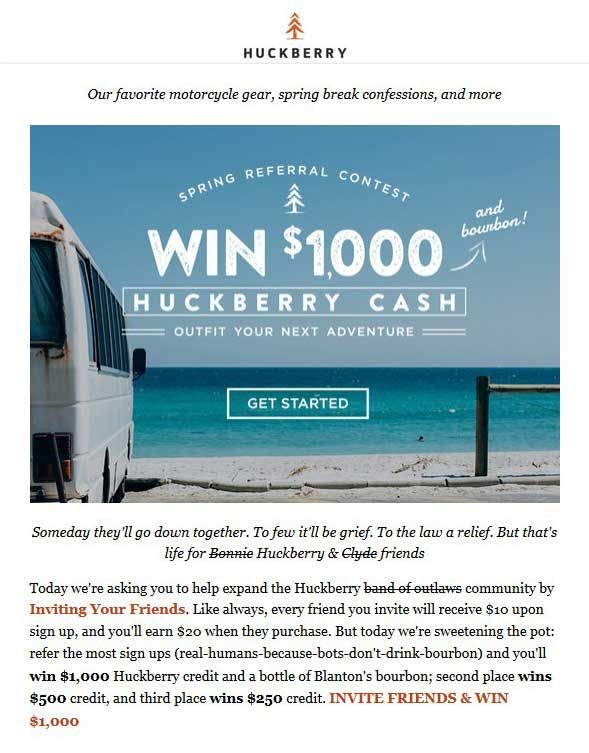
Flip it. Frame the referral as a gift the sharer is giving their friend. “Enter our contest and give your friend 20% off their first order” works better than “Refer friends to win a MacBook.” The referrer still gets their contest entry, but the act of sharing feels generous instead of self-serving.
This isn’t just theory. Across 500+ referral programs, 74% use one-sided rewards (referrer only), and 54% don’t reward the friend at all. But the programs that switch to two-sided rewards, where both the referrer and the friend get something, see a measurable jump in referrals. People share more when sharing feels like doing their friend a favor.
When you design your contest, make sure the friend gets something too. A discount, a bonus, a free trial. All your messaging (the contest page, the emails, the share messages) should lead with what the friend receives. The contest prizes motivate volume. The friend reward motivates the actual share.
5. Consider tying your contest to the seasons
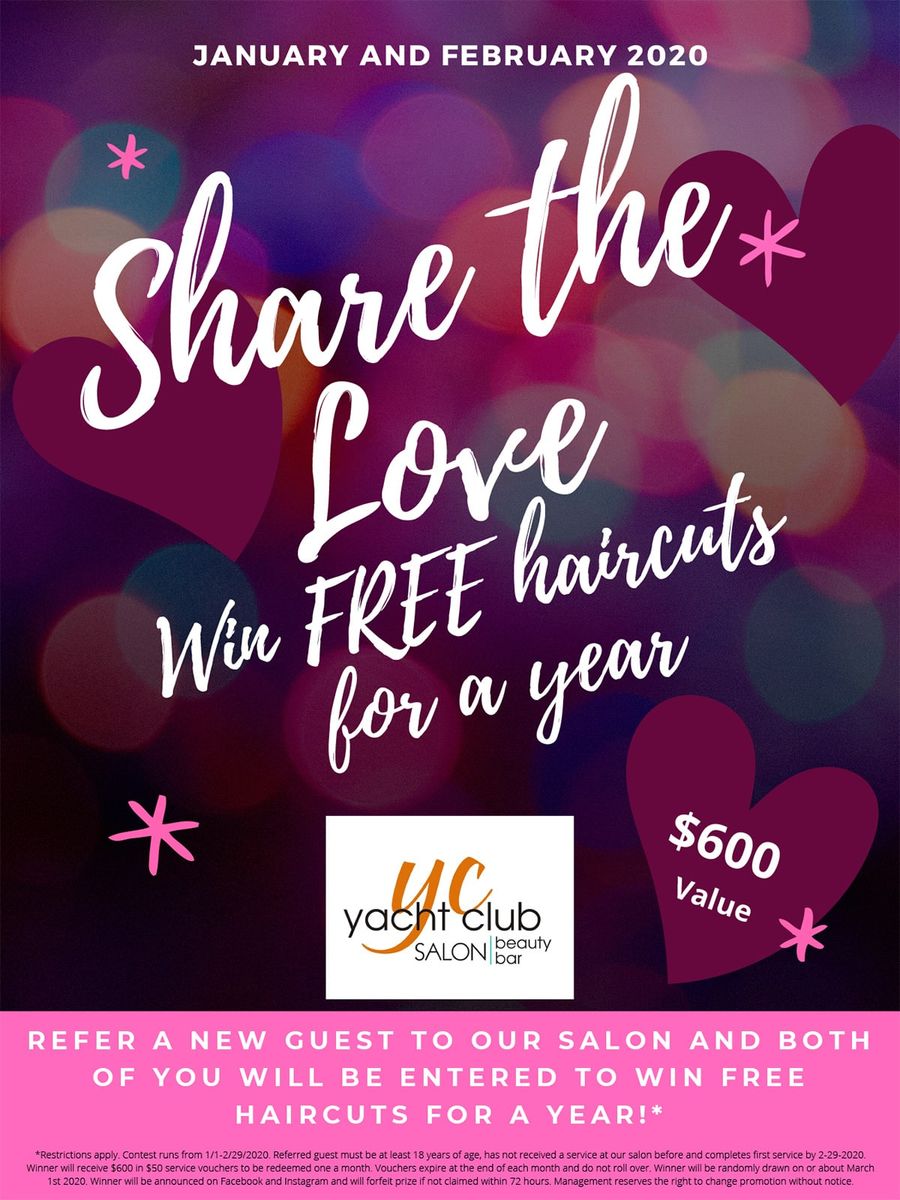
Feel free to reference the holiday seasons in your contest messaging and/or graphics. You can also tie rewards to seasonal events, like a romantic Valentine’s getaway in late January or early February, baseball season tickets for an early spring contest, or theme park season passes in the summer.
Tying your contest to the seasons can also create hype during a slow season for your company.
6. Keep entry wide open
Entering your contest should require zero friction. No signup forms. No account creation. No hoops.
Make sure the referral contest landing page is easy to find and easy to use. The landing page should start with a headline inviting customers to share and showing the contest rewards. Offer multiple sharing options, including email, social media, and direct messaging. Include social sharing buttons so customers can share with multiple friends and groups at once.
Giving each customer their own unique referral link is essential. It’s easy for customers to copy and paste anywhere, and referrals are instantly tied to the person who made them.
You never know who your most enthusiastic sharers will be. If you gate the contest behind a signup form, you’ll lose people before they ever share. Keep access open and let participation be the only barrier to entry.
Define your contest rules clearly, but keep them simple. A few bullet points on the landing page covering who can enter, what counts as a successful referral, and how the winner is chosen. If your terms are more complex, link to a separate terms page to keep the landing page clean.
7. Promote across every touchpoint
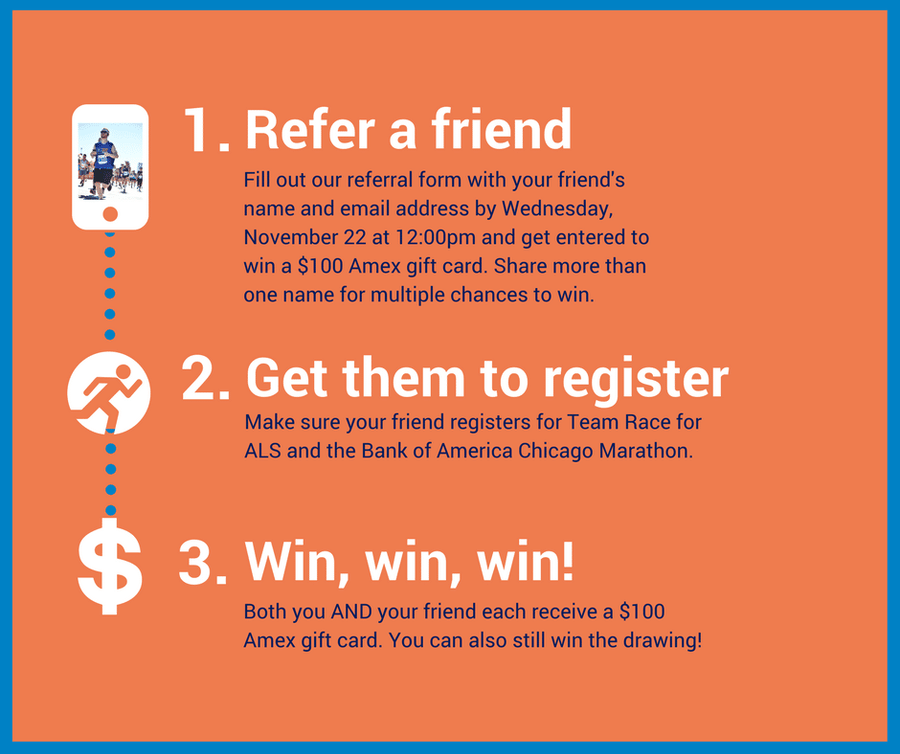
The final step is getting the word out. You have direct access to potential participants through your email list, so send out an email campaign promoting the referral contest. Offer every participant (and their friends) a reward while teasing the grand prize to motivate those with large networks.
In addition, include contest teasers in newsletters and transactional emails. Mention it in emails not directly related to the contest. Spotlight it across all your social media channels, promote it in graphics on your website homepage, and include easy links throughout your website and app.
Don’t limit promotion to the launch. The programs that see the best results promote continuously. Across Referral Rock’s platform data, 30% of shares come from post-launch emails, not the initial blast. If you only promote at launch, you’re leaving most of your referrals on the table.
A contest without an always-on program is just a campaign
Your grand prize winners are selected, the contest is over. Now what?
If the referral program shuts down with the contest, you’ve treated it like a marketing campaign. Launch, blast, hope, done. That’s the most common mistake in referral marketing, and it applies to contests too.
A referral contest should be a promotional tactic within a customer referral program that runs year-round. The contest spikes activity and surfaces your most enthusiastic advocates. The always-on program keeps them sharing after the confetti settles.
Keep the referral program active after the contest ends. Continue offering tiered rewards for referrals. Keep the sharing links live. All those new customers you acquired during the contest? They’re now potential referrers themselves, but only if the program is still running when they’re ready to share.
Use the contest as a launchpad, not a one-time event. Run another contest next quarter. But between contests, the program keeps rolling.
Use referral software to run your contest
If you’re running a referral contest, referral software makes it significantly easier. Tracking referrals manually is too much hassle, and accurate tracking is a must when valuable grand prizes are on the line.
Referral software creates unique tracking links that attribute every referral to the person who made it. You’ll always know who is leading in the contest or how many entries someone has in a drawing. You’ll also be able to track conversion rates and referral-based revenue at a glance.
Choose your referral software carefully, as not all options can handle referral contests. Referral Rock is flexible enough to run referral contests of all kinds, as well as offer tiered rewards to your referring customers.
A referral contest can spike activity and surface your most enthusiastic advocates. But the real win is what happens after, when the contest feeds into an always-on referral program that keeps those advocates sharing. The contest gets them in the door. The program keeps them there.
Referral Rock makes it easy to run referral contests and keep your program rolling year-round. Book a demo to learn more >