
A referral program has a lot of moving parts — the invite, the landing page, the message your customers send to friends, the reward structure, the follow-up emails. Get any of them wrong and the program loses momentum before it starts.
This article gives you the templates for all of it: eight reward structures to choose from, the four elements every program needs, and copy-ready templates for every stage of the referral process — from the first invite to the friend’s landing page.Note: This article focuses on customer referral program templates. We’ve got another article dedicated to employee referral program templates, if you’re looking to drive brand advocacy through your team.
8 referral program reward structures
Even though every referral campaign uses the same base template (which we’ll cover below), there are plenty of ways to change things up a bit and make your referral program your own. Most of these changes involve the type of reward offered to the advocate (sharer). Here are 8 free templates you can use for your referral program:
1. The reciprocal referral program template:
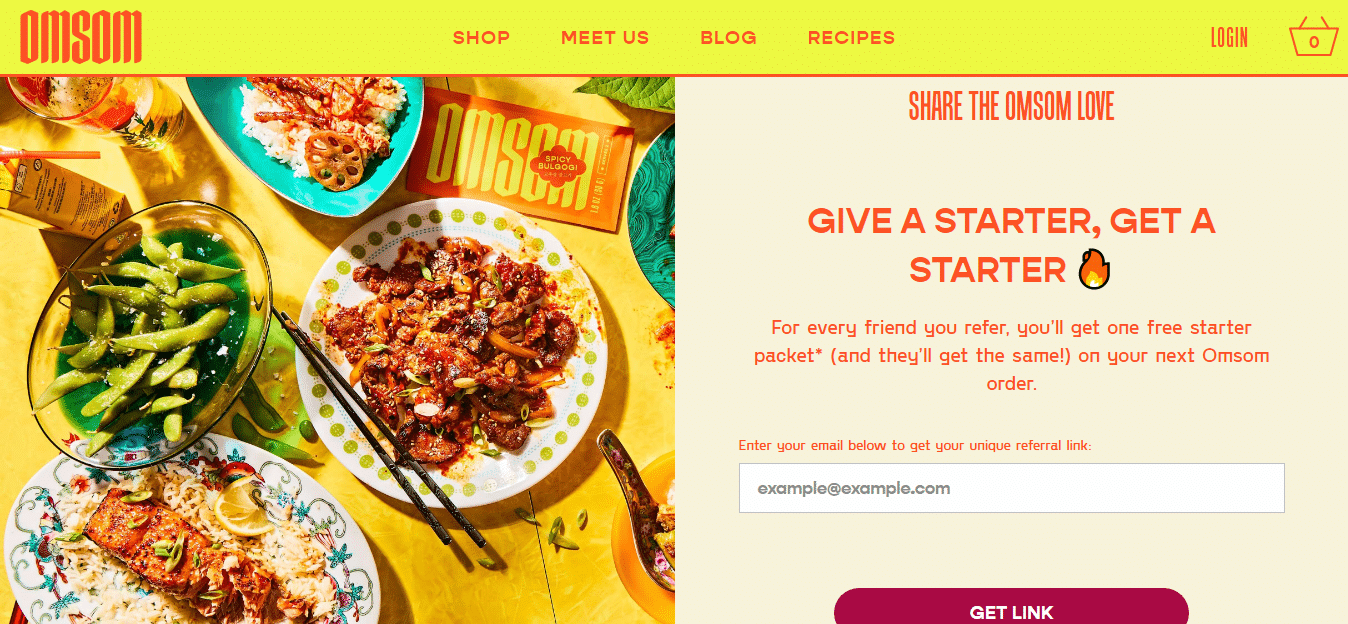
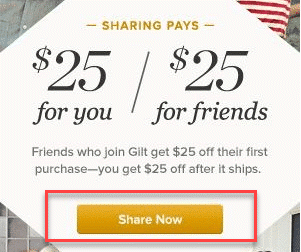
This referral program gives the exact same reward to the advocate and their referral (think “$25 for you, $25 for a friend,” or “Give free socks, get free socks.”) 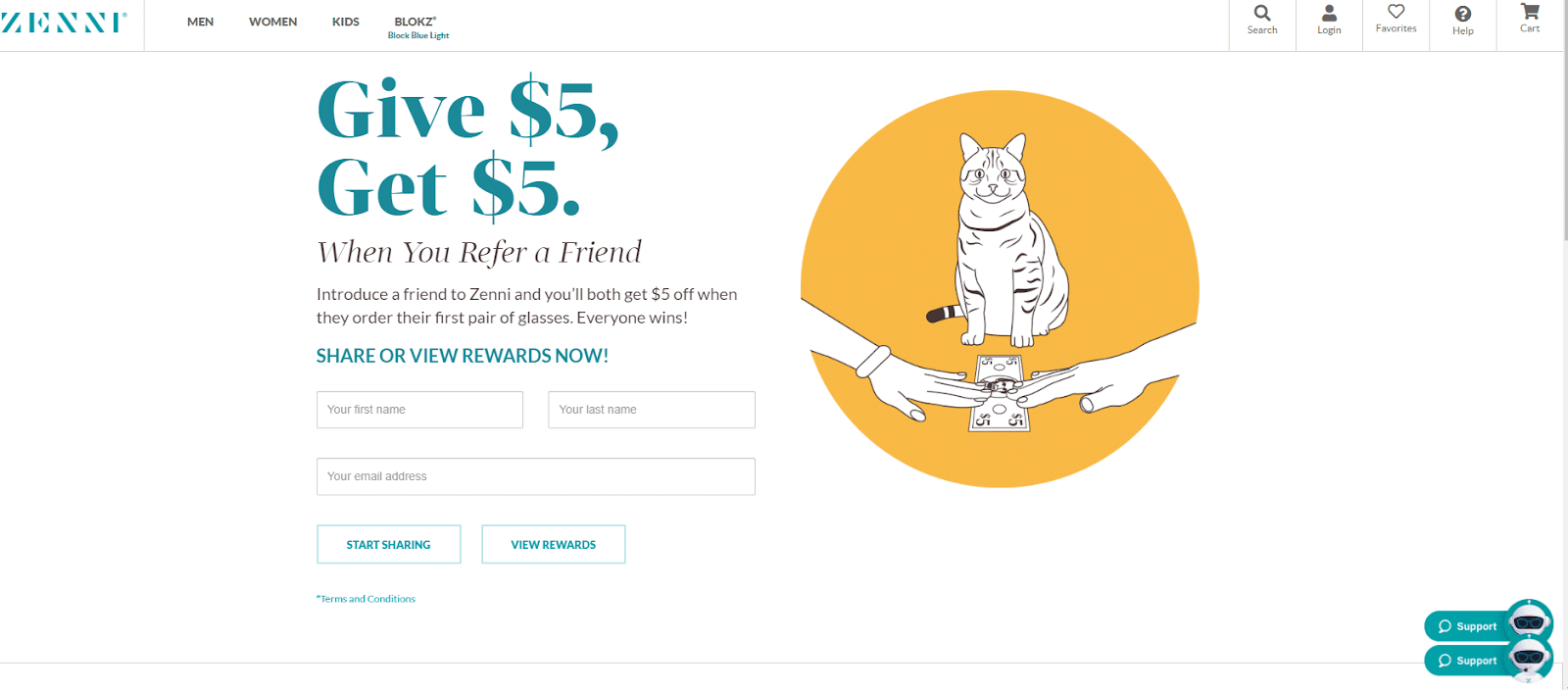 2. The varied referral rewards template:
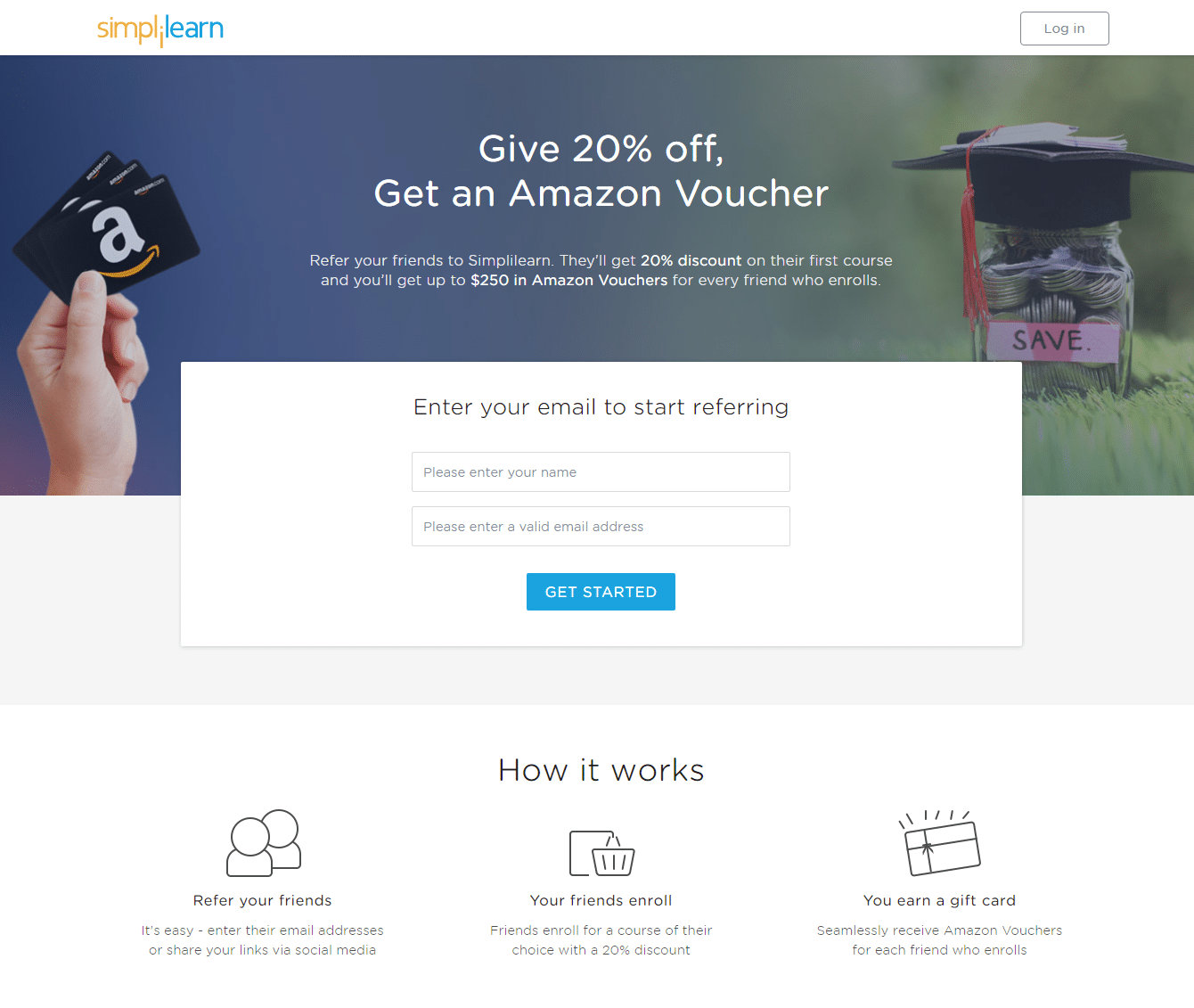
This program offers different rewards for the advocate and their friend. For instance, the friend might receive $20 in store credit when they make their first purchase, while the advocate receives a thank you gift box. Or, like in the example below, the friend might get 10% off while the advocate gets Amazon gift cards.
3. The charity referral program template:
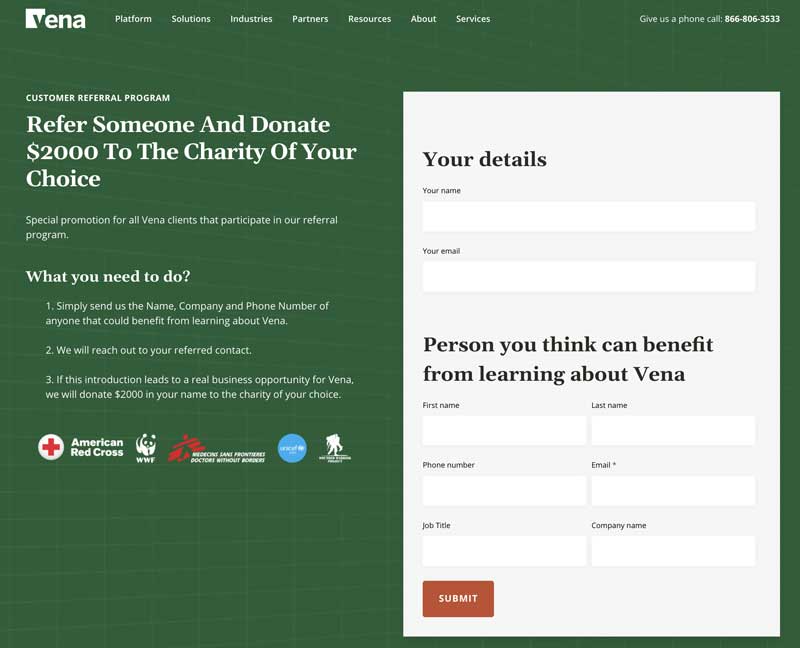
Make a donation to a charity of the advocate’s choice in exchange for a successful referral. This type of template works well when you can’t offer a reward directly for the referral, such as in a healthcare-related industry. But it’s great for any community-minded brand.
4. The tiered referral program template:
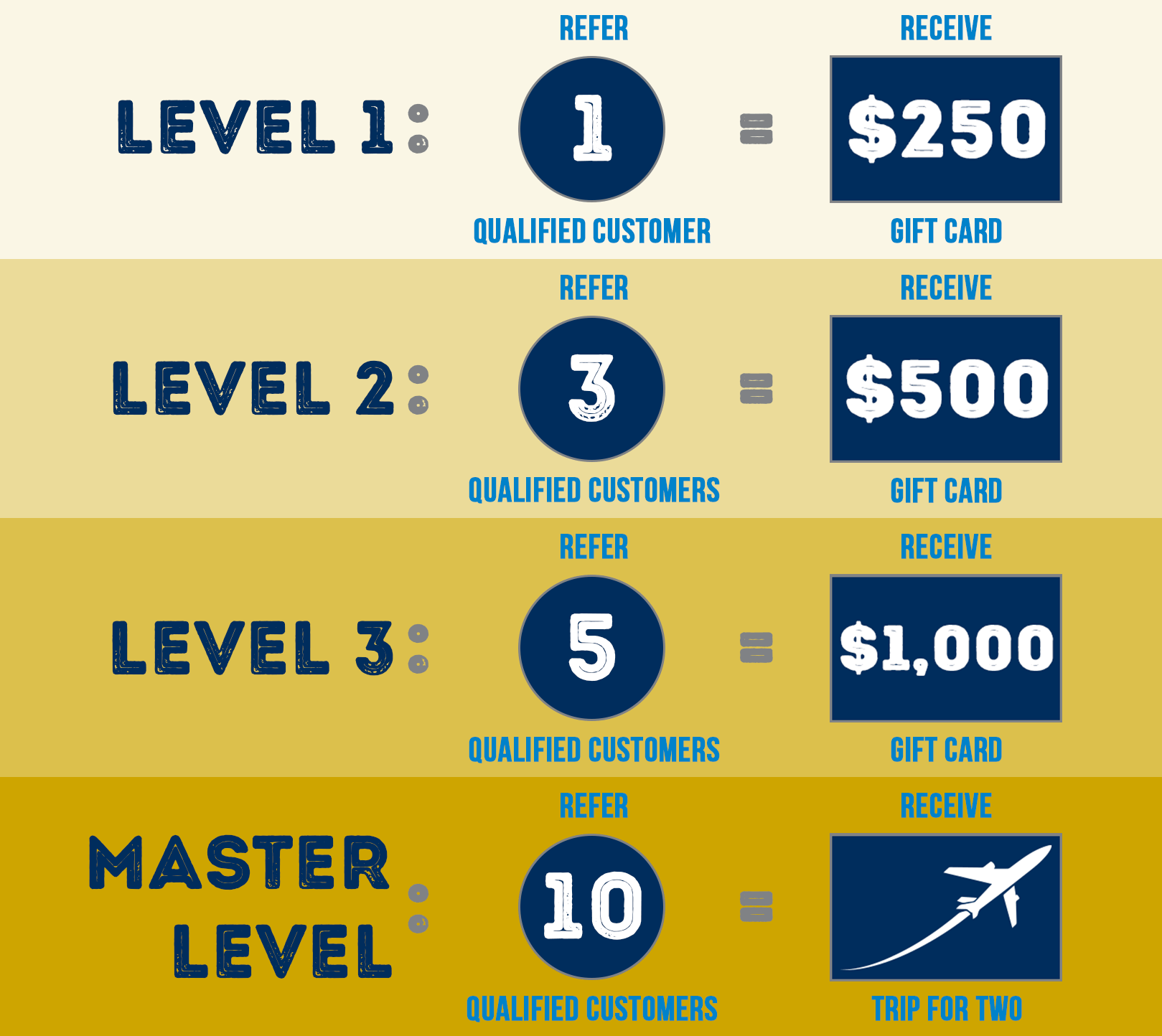
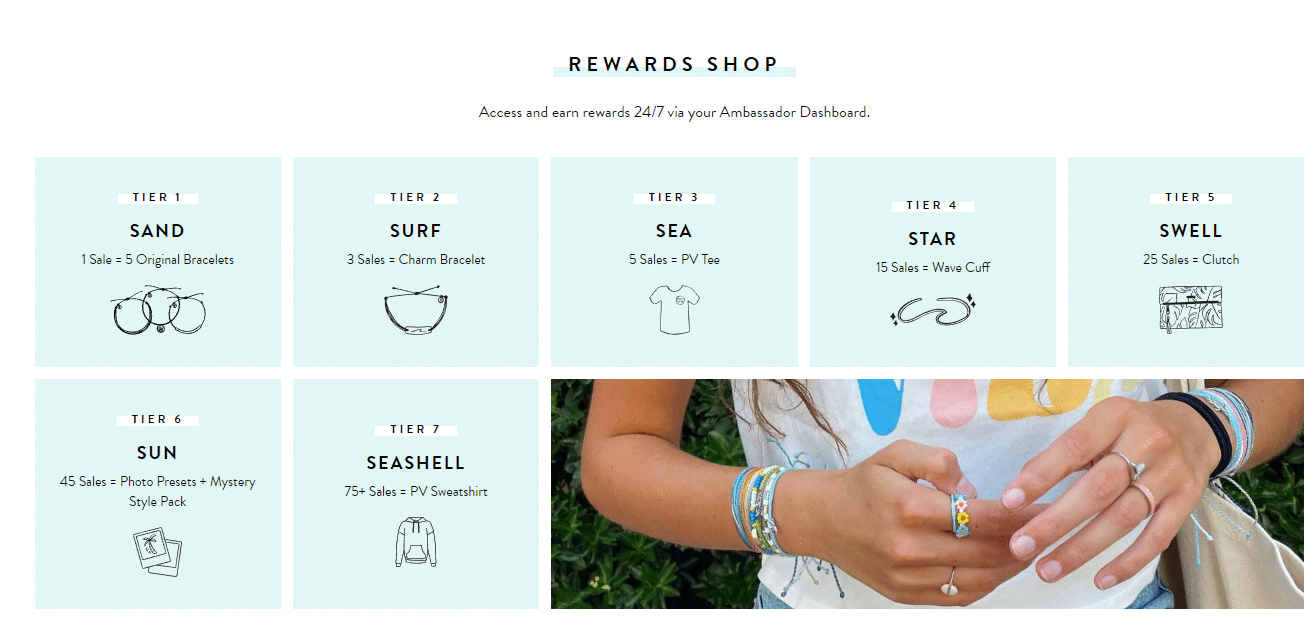
Advocates earn higher-value rewards the more referrals they make. For instance, they might earn a tote for one referral, a sticker pack for three referrals, a notebook for five referrals, a mystery box for seven referrals, and a mug for 10 referrals.
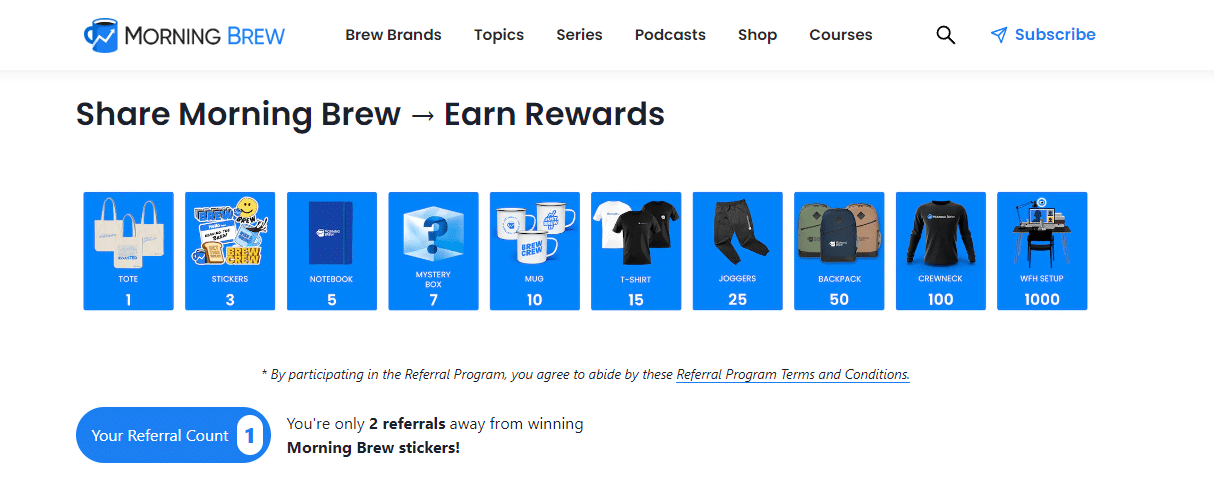
Newsletters often use this type of template to drive subscription referrals, as seen above with Morning Brew. But brands in plenty of other industries use it as well. In the template below, a roofing brand awards gift cards of increasing value as someone makes more referrals.
5. The multi-step referral program template:
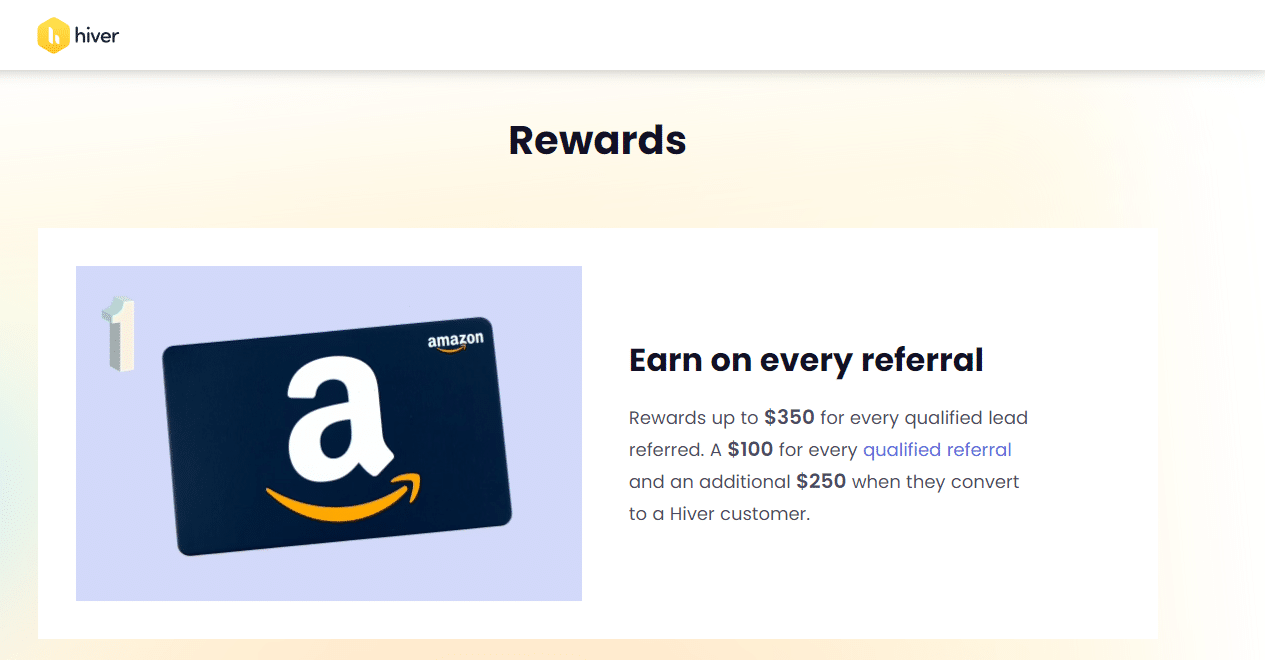
In multi-step referral programs, advocates can earn multiple rewards as their referred peers move through the sales process. For example, they might earn a smaller reward when a lead they refer is qualified by your sales team, and then a larger reward when they make a purchase. This template’s great for B2B brands, SaaS companies, and other businesses where the sales process is longer. It’ll keep customers motivated even if it takes a while for one of their referrals to purchase.
6. The referral competition template:
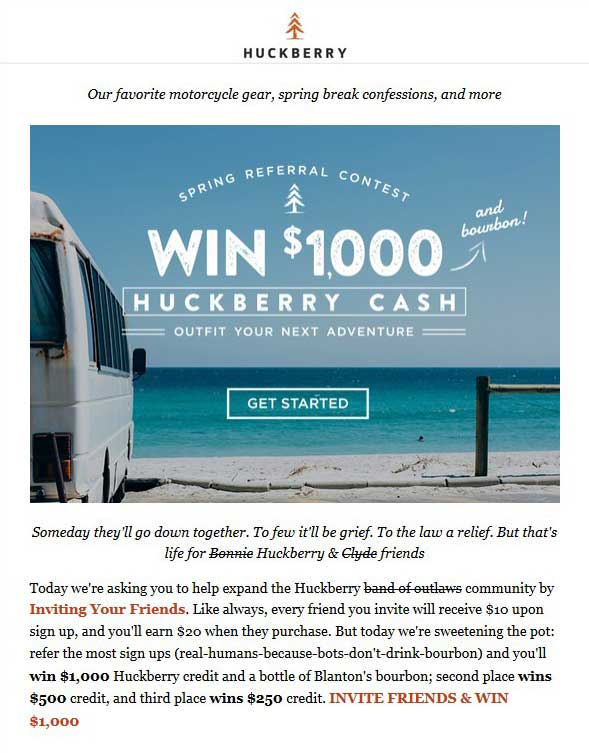
Advocates’ referrals are tracked over a given time frame. Whoever makes the most referrals in that time frame receives a bonus big-ticket reward, in addition to the standard rewards on offer.
7. The referral drawing template:
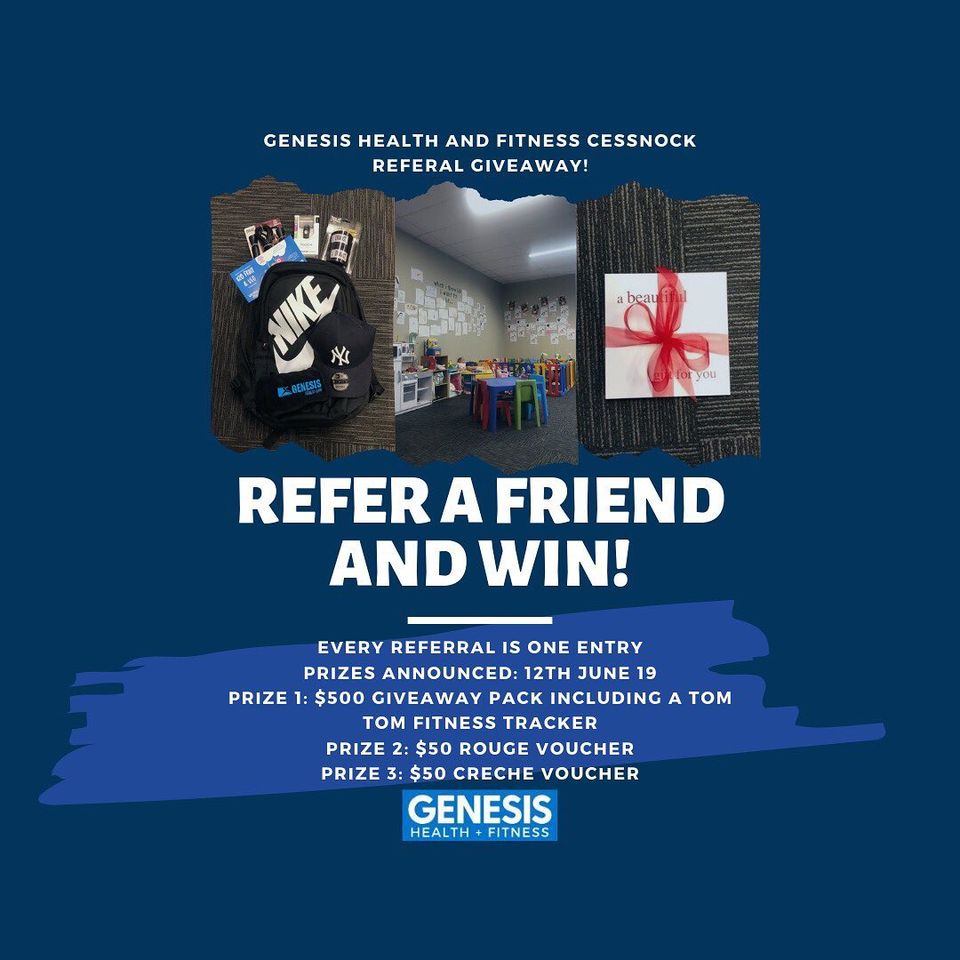
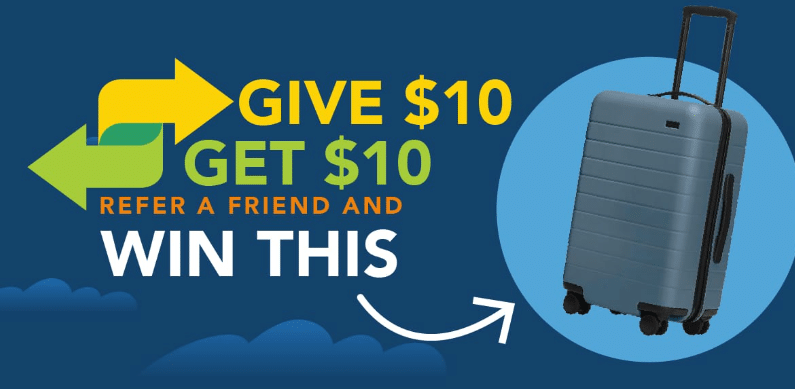
Advocates receive rewards for every referral, but they also receive an entry into a drawing for a big-ticket reward. The winner is picked at random, but the more referrals someone makes, the higher their chances of winning.
8. The referral ambassador template:
Advocates must be accepted into the program at first, but once they are, they receive a referral discount code and can earn incentives for every referral. They also gain access to other exclusive “insider” perks. 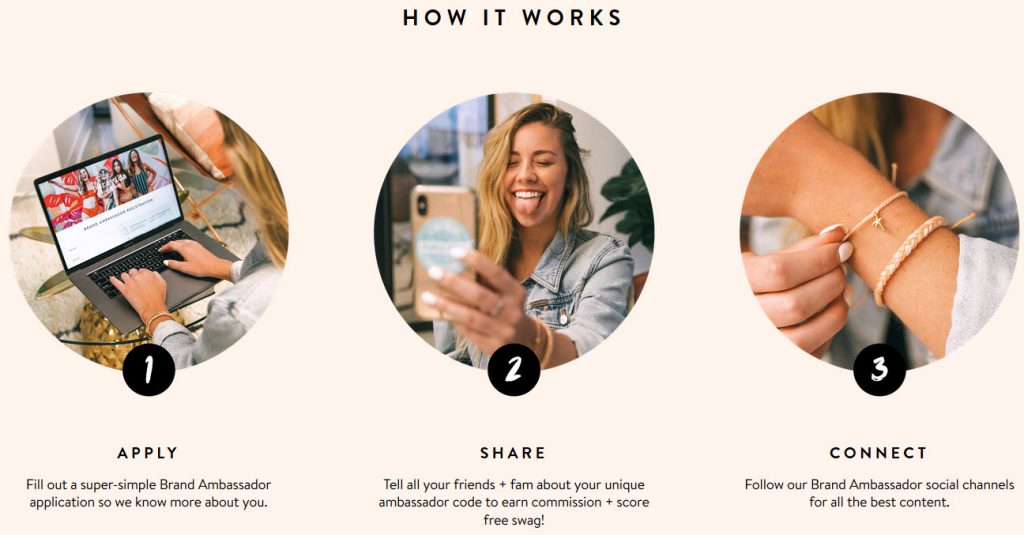
The 4 elements every referral program template needs
There are four foundational elements of any customer referral template, that all appear throughout the referral process. You’ll need to have them ready to add to the relevant areas of your referral program template, no matter which template you choose.
1. Rewards (for both sides)
Here’s a frame that changes how people actually share your program: the reward isn’t just a payout for the advocate — it’s a gift to their friend.
The best referral programs are dual-sided, offering something for both the sharer and the person they refer. But the messaging should lead with what the friend gets. When advocates feel like they’re giving something valuable to someone they know — not just earning a commission — the program feels generous instead of transactional. That shift matters. People don’t want to feel like they’re monetizing their relationships. They want to feel like they’re doing their friends a favor.
You’ll mention the rewards in nearly every part of your referral program template. On the sharer’s side, talk about the rewards on offer for both them and their friend — but lead with the friend’s benefit.
2. Referral program headline
No matter what type of program you’re running, a good referral headline or slogan is necessary. This short, punchy phrase is meant to grab your customer’s attention, advertise the program’s rewards, and be interesting enough for them to click that CTA button and share. You’ll use your headline in several different places: the referral invitation email, the program landing page, the social sharing message, and more.
A headline that’s easy to understand will lead more customers to join your referral program. Good referral program headlines also tell the customer what’s in it for them, whether that’s monetary rewards, tangible incentives, or intrinsic benefits.
7 customizable referral headline templates
- Invite your friends, get [reward value].
- [Cash amount] is yours when you share!
- Get free [item] – again and again.
- Give your friends [percentage discount], receive [cash amount]
- Give [cash amount], get [cash amount].
- [Reward value] for you, [reward value] for a friend.
- Share the love, give [reward amount].
3. Referral call to action (CTA)
Everything in your program promotion should lead to your call to action. This is what you want the sharer or new referral to do, in 1-3 words: “Refer friends,” “Join our program,” “Start sharing,” “Sign up,” or “Get 10% off.”
Usually in the form of a button or a link, a referral CTA encourages action and brings someone to the next step of your referral process. It should catch the eye and invite people to click. Make the button bold, underlined, or a different color.
4. Referral link or code
Referral links are what make your program work. They track every step of the entire process:
- They register whenever a referral results in a purchase
- They connect the referral back to the exact advocate who sent them, via a unique tracking code
- They automatically apply the referral’s reward to the purchase (i.e., discount, credit)
- They update and credit advocates with their earned referral rewards
On the surface, referral links look like any other link. But the difference is the unique combination of letters and numbers added at the end (also called the referral code), so every customer has a distinct referral link. Here are some referral link examples: 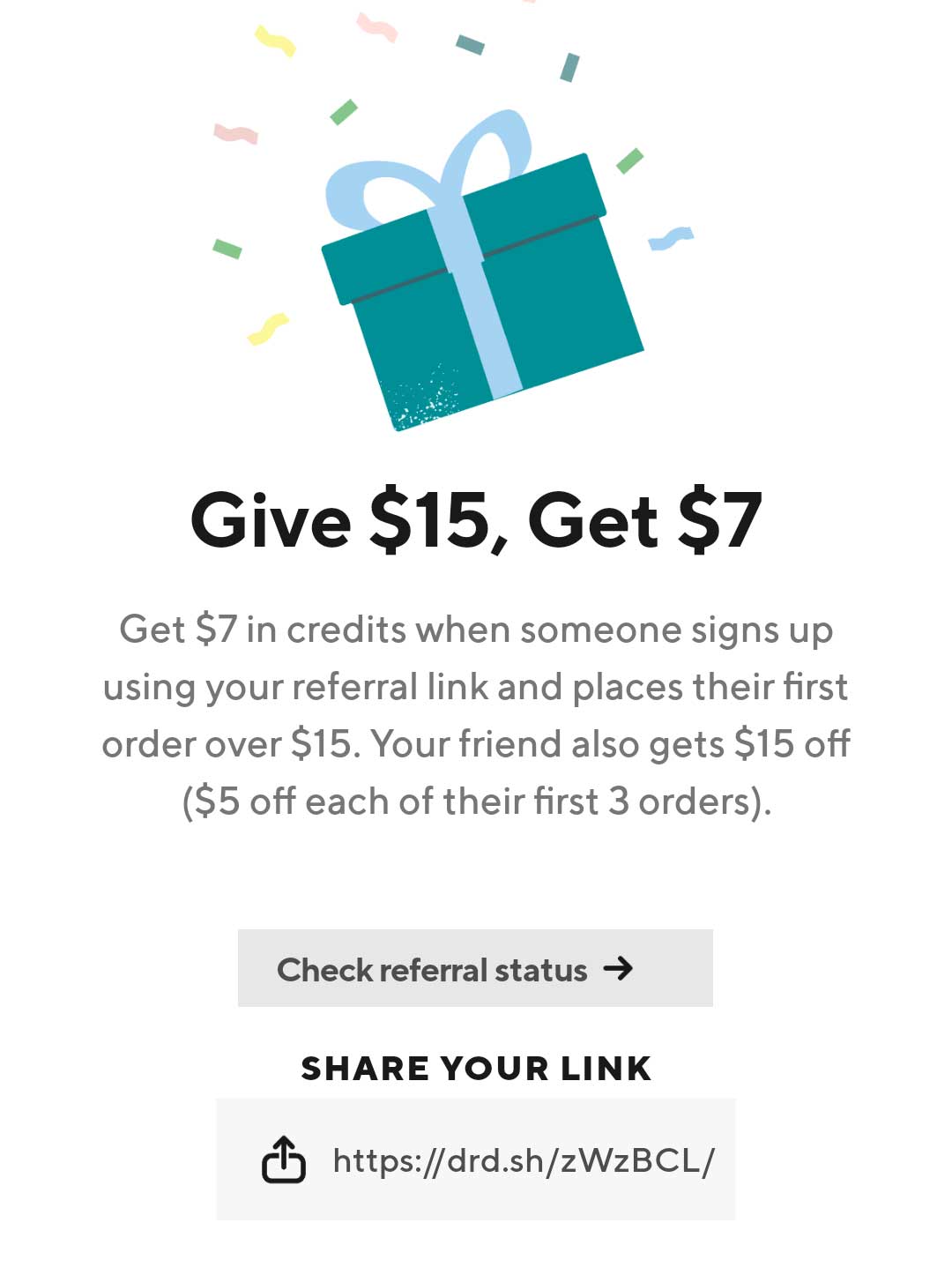

Referral program template (Parts of the referral program)
Now, without further ado, let’s get into the referral program template itself.
1. Referral program email invite
Your referral program invite is vital, as it’s how you let customers know your program exists. The more existing customers know about your program, the more referrals you’ll get, and the more new customers you stand to bring in.
Direct email invites
Referral email invites are a great way to contact customers directly. Plus, with all the available email marketing tools, you can easily customize and automate every message you send out.
Here are some points a referral email invitation should cover:
Why you’re contacting them: Give customers a reason to open and read your referral email. We recommend using the referral program headline as the subject, so customers know what your program’s about before they even open the message.
What’s in it for them: Even if your subject line tells them what rewards they can earn, it’s always good to reiterate. Your headline and referral program description should put the rewards front and center.
The sign-up process: How can customers earn these benefits? Explain what they need to do to sign up for the referral program using concise, step-by-step instructions.
A clear CTA: A clear call to action (CTA) guides customers to the next step they should take after receiving the invitation. Make sure this button stands out from the rest of the email.
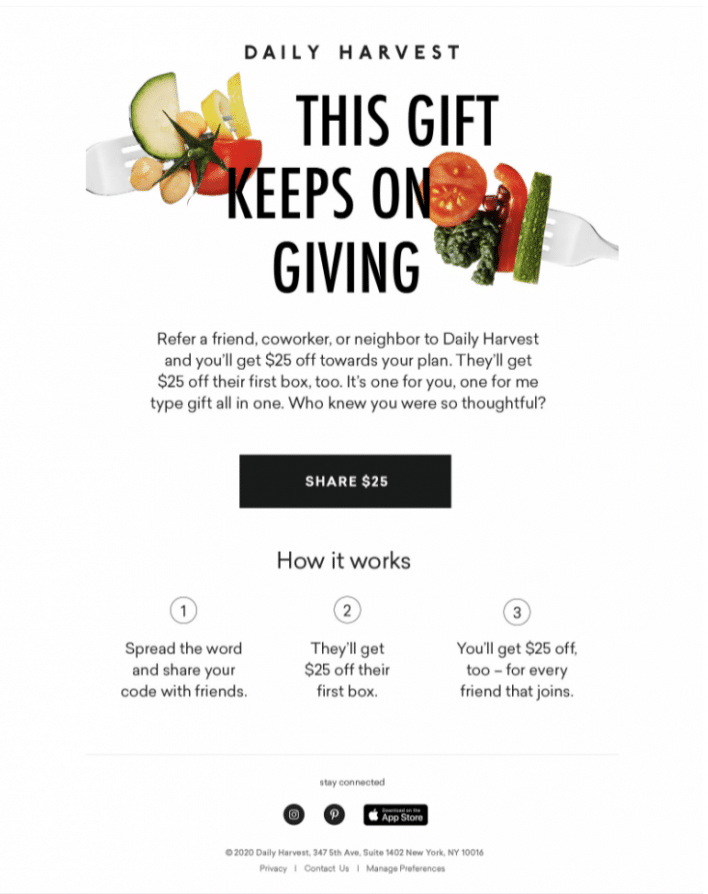
Daily Harvest uses colorful images of their box ingredients and step-by-step instructions, plus a bold call to action that invites advocates to “share $25.” Easy to read, easy to follow, easy to refer friends and earn.
Indirect email invites
You can also use your existing drip email newsletters, receipts, invoices, and other email messages to promote your referral program indirectly.
For instance, if you’re sending out info about a sale or emailing a newsletter, include a section about the referral program to keep it top-of-mind. Simply add a line or two about sharing, what customers can earn, and where to go in order to do so. End with a link or CTA button to a referral program landing page where they can learn more details.
Check out how Casper plugs their referral program at the bottom of an email focused on reviews: “Give $50, Get $50. Refer friends and get rewards.” 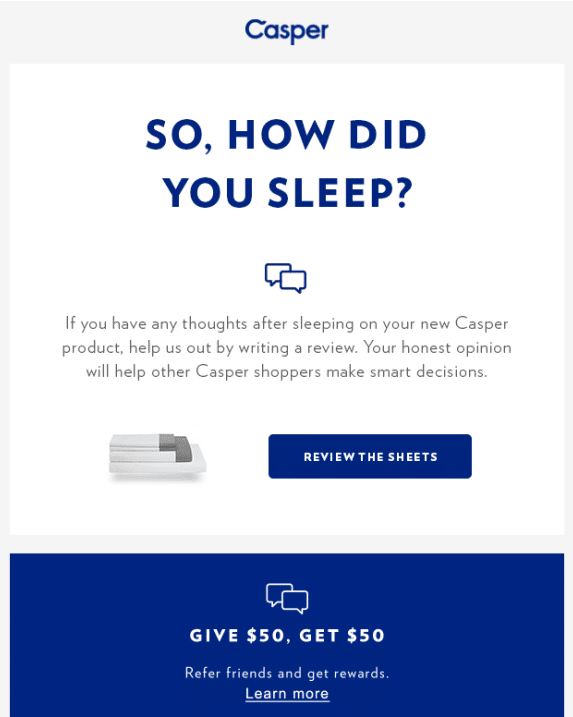
2. Referral program social media invite
Social media is another great platform to let them know what your referral program is all about. Below are some best practices for promoting a referral program on social media platforms.
- Maximize your headline: Use your headline to clearly explain what sharers can expect, what they’ll earn, and why your referral program is so great.
- Explain the program: Concisely explain how the program works, in just a few short sentences.
- Highlight the benefits: Customers who know what’s in it for them are usually more willing to participate. So, put the incentives (and/or intrinsic benefits) front and center.
- Include a visual: Visuals, especially GIFs, are great for breaking up chunks of text and encouraging people to read the entire message. Even a product photo can be enough to draw customers in.
- Directly link to your referral page/pop-up: Make it easy on your users and link them directly to the landing page. This eliminates any guesswork, and increases program sign-up rates.
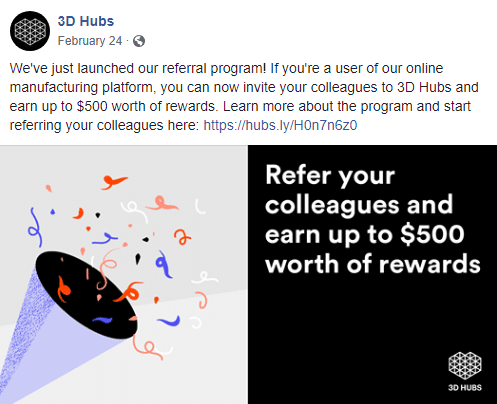
3D Hubs draws customers in with a celebratory image. Customers can see exactly what they can earn and give to their friends, and there’s a direct link to the referral program page. Plus, it’s easy for customers to know what to do: “Refer colleagues and earn up to $500 worth of rewards.”
3. Referral program landing page
The referral landing page is your referral program’s main hub. You want people to end up here, sign up, and start sharing.
Landing pages give you the space to explain your referral program in more detail: why customers should join, the rules of the program, the rewards on offer, and any other important information.
There are a few key things that you should include on your referral program landing page. They include:
- Eye-catching headline: Grab your audience’s attention right from the get-go. Let them know what they can get, and how they can do it.
- Motivating incentive: The incentive is what gets your current customers to sign up, and it’s what entices new customers to purchase from your brand. Make sure it’s prominently displayed on your program page.
- Compelling imagery: Use an eye-catching image to grab the customer’s attention, help explain more about the program, and break up any large blocks of text.
- Short details about the program: How do customers refer friends? How do they earn the reward? Answer these questions by describing the program in 3-4 easy steps.
- Referral CTA: Some common CTAs are “Sign up,” “Join now,” or “Start sharing,” but don’t be afraid to get creative with yours. Just make sure it matches the action you want customers to take (referring).
- Multiple sharing options: Allow your customers to reach friends in several ways, including email, social media, and a referral link.
- (Bonus) FAQs, or a link to an FAQ page: This will lay out all the details for your customers, so they know exactly what to expect. It will also save your brand from responding to the same types of questions constantly. Plus, creating a separate FAQ will keep your referral page uncluttered.
- (Bonus) Testimonials: New advocates will want to know others have had a great experience with your referral program, and testimonials are an ideal way to prove this. Although not often seen on referral landing pages, if you can show customers real feedback and social proof through testimonials, they’ll be even more inclined to join your program.
Don’t forget to optimize this page for mobile!
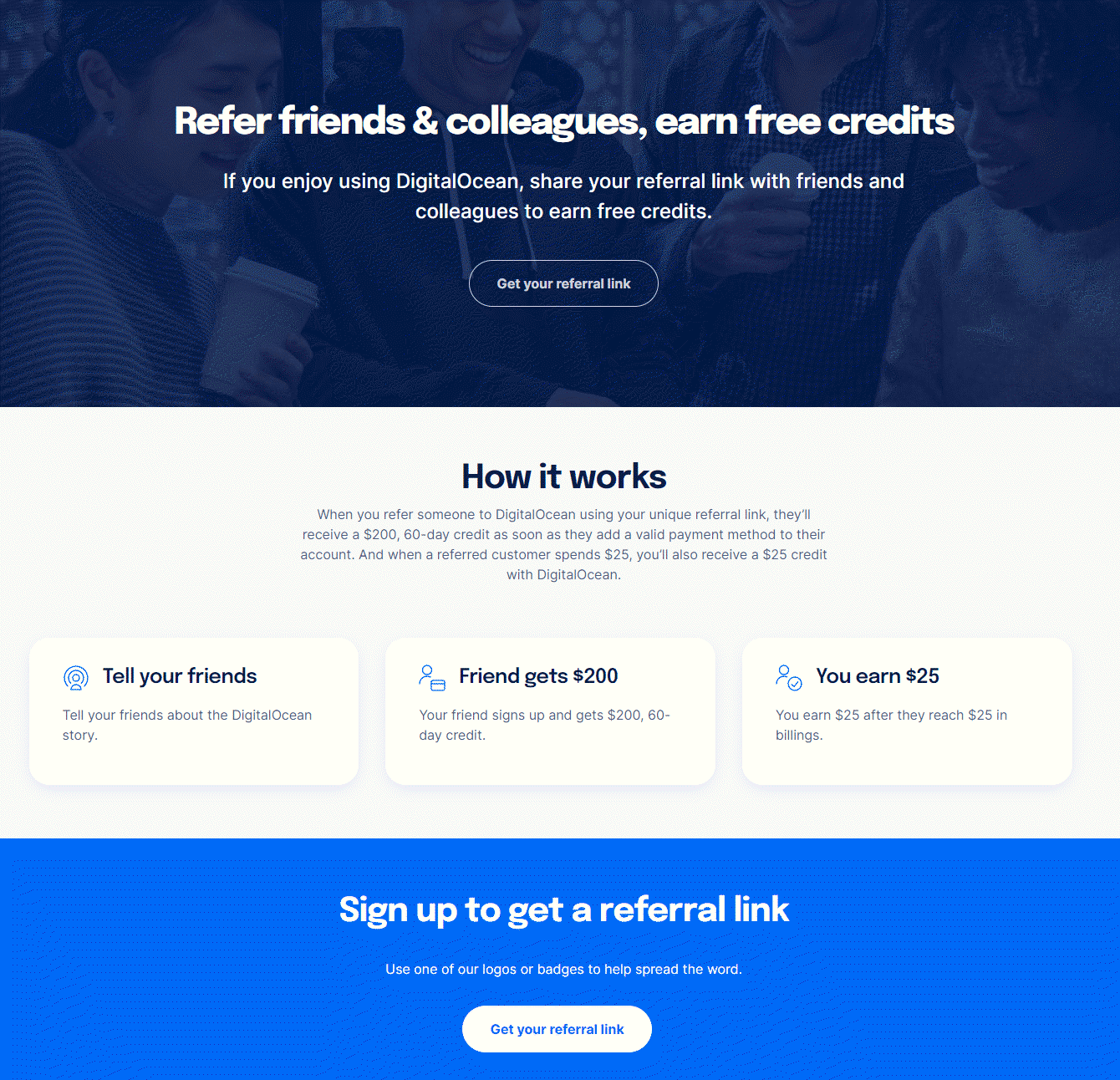
When a customer clicks an email invite link for Digital Ocean’s referral program, or finds a link via the website homepage, they are brought to the referral landing page. The page gives a clear description of the program, outlining how customers and their friends earn rewards in three steps.
4. Referral email or message (after signup)
Give advocates their referral link as soon as they sign up to the program. You can assign the referral link while they’re still on your website, or through a customer referral portal. But it’s also a good idea to send the link via email, for easy sharing access anytime. 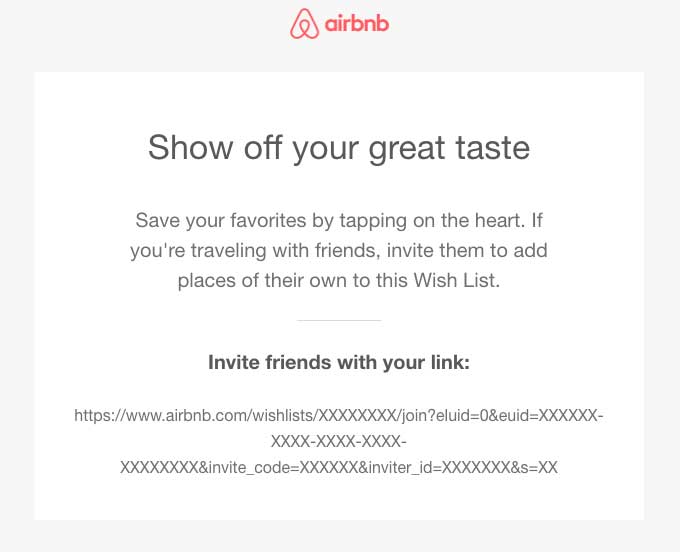
5. Ongoing referral email updates
The key to a program that keeps running is treating it as an ongoing operation, not a one-time launch. Referral programs aren’t campaigns with a start and end date — they run continuously alongside your business.
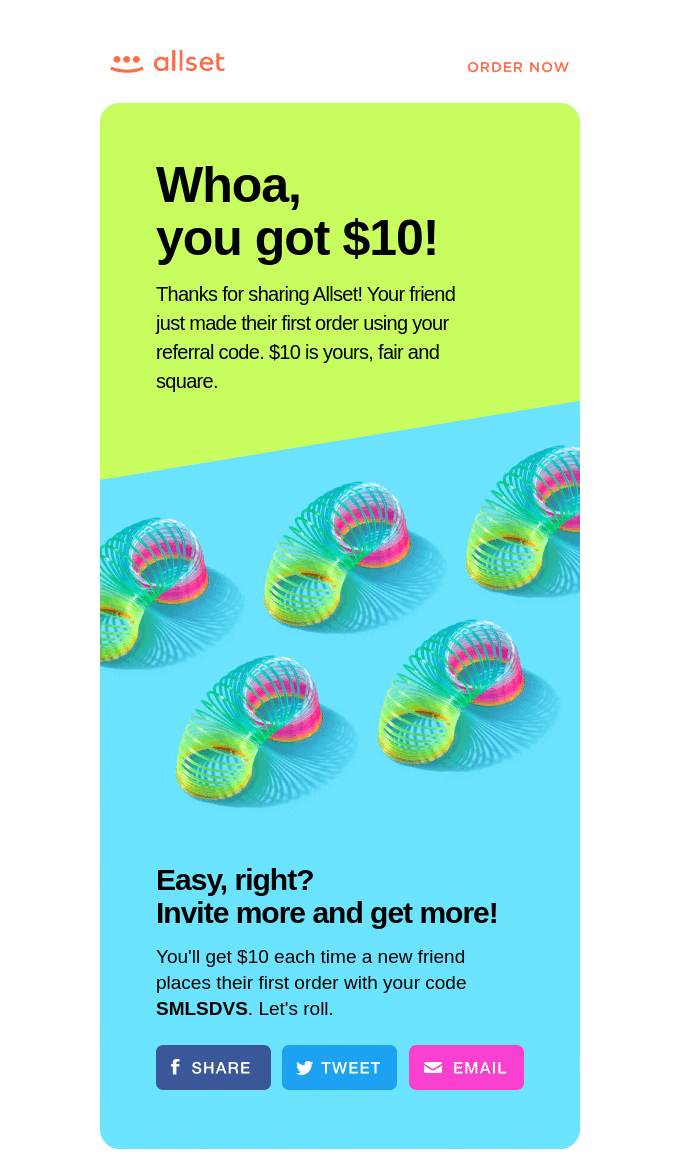
Send your advocates monthly recap emails updating them with how many referrals they’ve sent, new rewards they can earn, limited-time contests, and any other news about your referral program. And once they’ve made a successful referral, take a cue from Allset and send an email highlighting the rewards they just earned — and encouraging more referrals while motivation is high.
6. Referral message (what sharers send to friends)
The referral message is what sharers send to their friends via the referral program. Often, it’s the first time these friends hear about your company. It’s usually sent via email or social media.
To help advocates share quickly, provide a pre-filled referral message template they can customize on their own. Make sure the message sounds like it’s coming from a peer — not from your brand — so it feels personal. And make sure it leads with what the friend gets, not what the sharer earns.
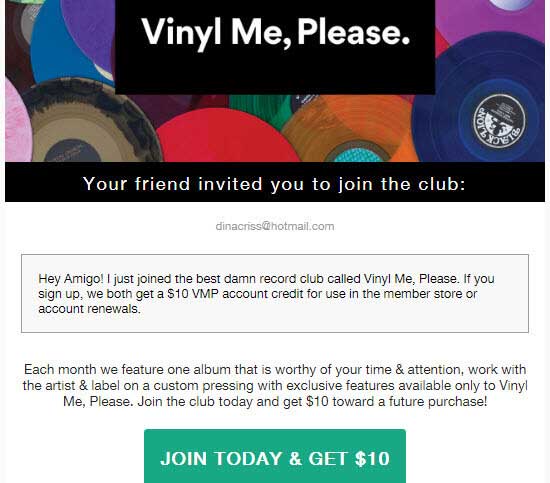
Most referral software lets you create a pre-filled email or social media message for advocates to send. Here are some points the referral message should cover:
- Personalize the message: Include the referral’s first name in the subject line, as well as at the start of the message. This personal touch will help the message stand out in a referral’s inbox or feed, and increase chances your message will be read.
- Let them know who sent the message: Make sure the message is from the peer’s perspective. Even though the referral message is about your business or product, people trust their friends and family over other sources.
- Introduce your company (briefly): Cover the main reasons why they should purchase from you. Don’t go overboard, though – sharing your products and what you do is more than enough.
- Highlight the benefits: If the referred friend gets an incentive for purchasing, highlight it here – and show that their friend’s the one who sent it.
- Add a CTA: Place a link or a button that stands out from the rest of your referral message, showing referrals exactly how they can take the next step in the referral process.
7. Friend landing page
The friend landing page, or referral landing page, is where all referrals are directed after clicking on the referral link shared by existing customers. While it’s nearly similar to the pages everyone else sees, the referral process is being tracked and the reward will be applied to the referral’s purchase. Oftentimes, this can be seen through a small banner or pop-up message.
Here’s an example of how this works in the MeUndies referral program:
When a referral clicks on the link in the referral message, they are brought to the MeUndies homepage, and the coupon code is automatically added to their shopping cart. The referral is also tied back to the advocate who referred them. The referral doesn’t have to do anything extra to receive the benefit – just purchase, with no need to enter a coupon code. 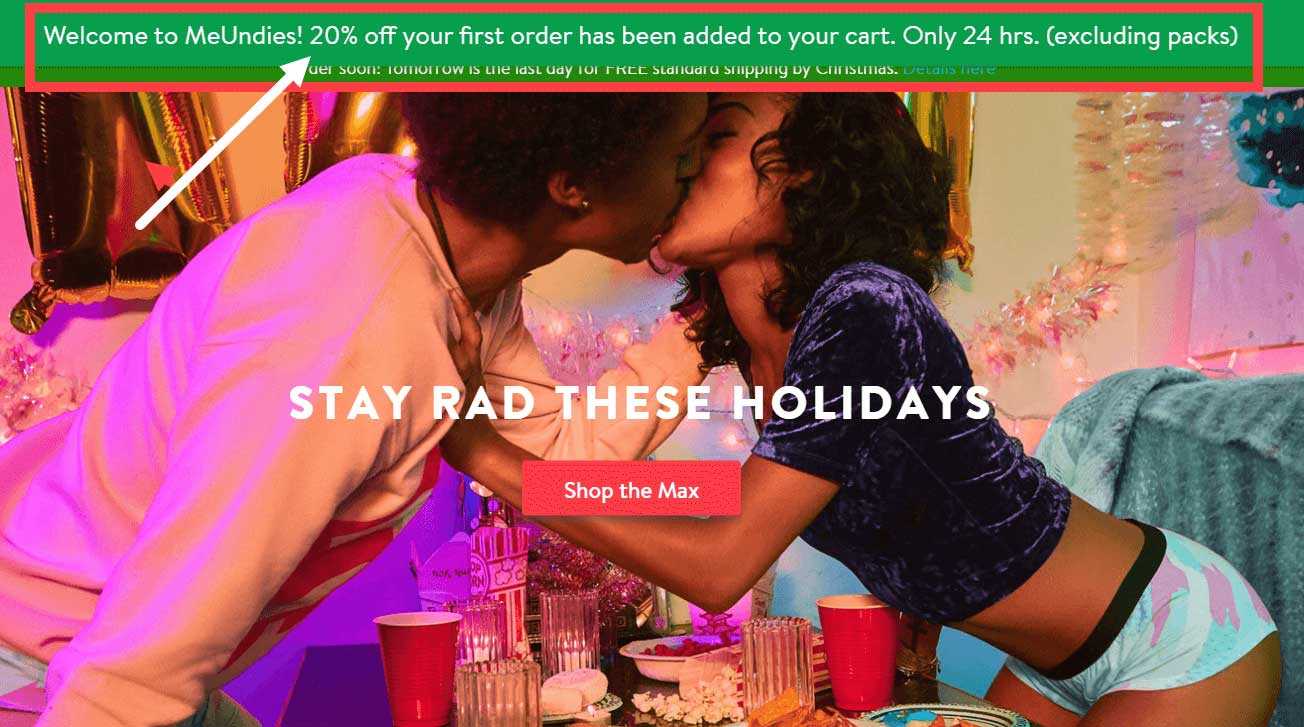
Meanwhile, the Morning Brew newsletter referral program keeps it simple. The brand also compliments the advocates, but then it jumps straight to the point. Users can enter their email, and done, they’re signed up to receive the Brew. A huge contact form leads them in the right direction, so there’s no missing the intended action. 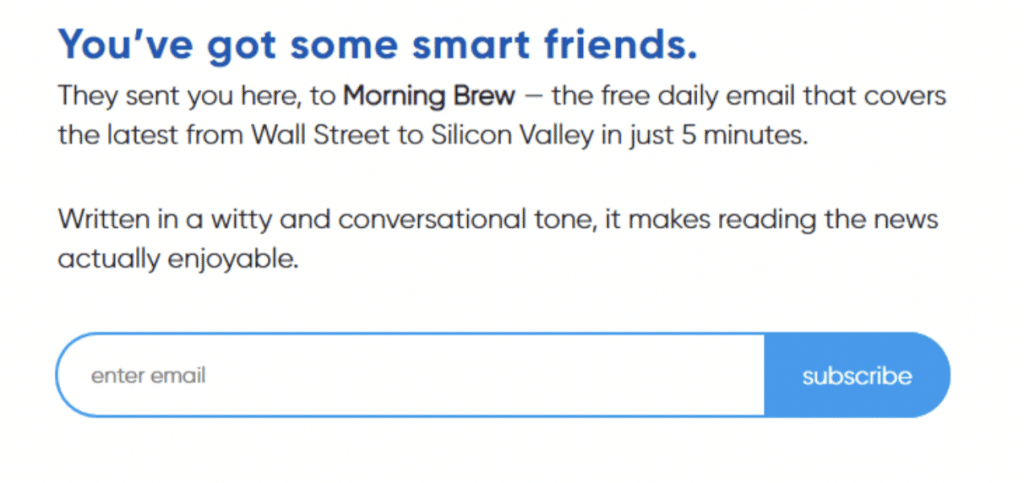
Referral program best practices
Now that you’ve seen how the referral program template works, it’s time to start your own referral marketing program. But even though the referral program template is a reliable formula, it won’t do all the work on its own. You’ll also need to follow best practices for designing and promoting your program. Here are some common factors we see across the best performing refer-a-friend programs:
1. Your program has multiple discovery paths
The more places people can find your program, the more referrals you’ll get. And “visibility” isn’t a one-time setup — it’s something you build into ongoing operations.
Think about discovery in three categories:
Where people look and expect to find it:
- Your website
- Your app menus
- Social media profiles
- Signage at your physical location
After great customer experiences:
- On receipts or invoices
- In shipping confirmations
- After service is completed
- At the checkout counter
In ongoing communication touchpoints:
- Email newsletters
- Email signatures
- Business cards
- Occasional social media posts
Here’s an easy check: visit your website and count how many clicks it takes to reach your program landing page. More than three? That’s friction worth fixing.
2. Everyone already has a link — no join form needed
The best referral programs don’t have a join button. Give every customer a unique referral link automatically — no signup form, no hoops. The moment someone is in your system, they’re already in the program.
Every step you add between “I want to refer someone” and “here’s my link” is a step where you lose people. And you never know who your most enthusiastic sharers will be — gating access preemptively means you’ll never find out. Keep access open, operate from abundance, and let the right people find their way in.
3. The referral process is simple
Customers should be able to refer their friends quickly and easily. Include only the info you need, and break the referral process into three or four simple steps. What if you’ve got other info to cover? The best way to do this is through a referral program FAQ. In addition to establishing expectations, an FAQ can save you a lot of time handling support questions. It provides an easy way for advocates and referrals to learn more about your program.
If you’re using Referral Rock, we’ve created an FAQ that answers all your sharers’ questions, so you don’t need to build one on your own. Enable this support center in your portal brand settings.
4. Customers have several ways to refer others
Take a minute to think about what platforms you use to communicate with your family and friends. It’s probably a handful. In just one day, you might use text, emails, phone calls, social media messengers, chat channels, and other applications to communicate. What does this mean? If you want loyal customers to participate in your referral program, allow them to refer others using their preferred platforms.
Discover more best practices by downloading our Referral Program Workbook, with 15 actionable guides & 101 real-world examples.
Start building your referral program
The templates above give you the structure. But what makes a referral program actually work isn’t just the format — it’s how you run it. Frame the reward as a gift to the friend, not a payout to the sharer. Keep access open so the right people can find their way in. And treat promotion as an ongoing part of how you operate, not a one-time launch.
Referral software handles the mechanics — the tracking, the links, the automated notifications — so the operational side doesn’t become its own project. Start a free program and put these templates to work.