Referral programs may take some time getting started – but can definitely be worth it. You need to make sure your input does not exceed what your expected outcome is. Don’t want to waste your time on something that isn’t working. And certainly, do not want to waste your money.
Before you invest too much of your effort and money, you may want to make sure a referral program will work for you. You can see if a referral program will benefit your overall ROI, or simply understanding the strategies. You need something that resonates with your customers and the people they refer.
It’s good practice to test how effective your program is before launching it to the public. If you put in a little effort, your referral program may help you significantly exceed your goals. So you may want to take the time to create the best referral program for your business and customers. A program can’t work if your customers are not interested. Here’s an article we wrote about leading indicators for your referral program success.
What a program does (the ask, the reward, the wording, the reminders) changes how many customers refer. In one field test at a video game subscription company, 0.61% of customers asked brought in a new customer with no reward, and 4.77% when the friend got a free month (Gershon, Cryder and John, 2020). So before you launch, take the time to learn what drives participation for your customers.
Also, test what doesn’t. Every business is different. What drives customer participation for some may not work for others.
So, what are some ways that you can make your referral program worthwhile for everyone?
1. Test the waters
What better way to see what your customers would be interested in, then by actually asking them. Throw out some bait and see how many of your customers take a bite.
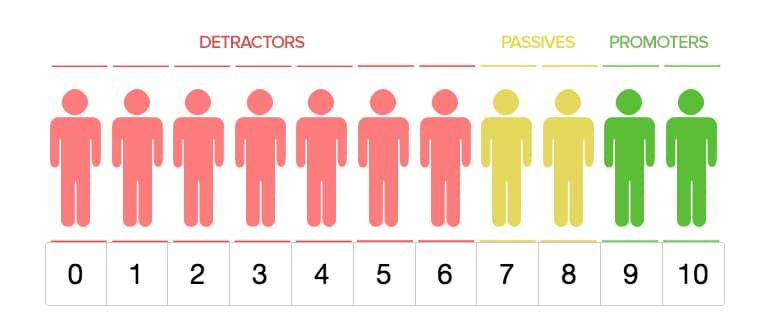
Perhaps you could use something like the Net Promoter Score. You can try a Facebook survey asking “On a scale of 1-10, how likely is it that you would refer a friend if we thanked you for it?” to see how many of your customers would actually use the referral program.
Remember to think of who your customers are and what they would be interested in. Make sure those items are relative to your company’s niche. Be sure to mention the benefits of the referral program.
Do this while exploring how much interest there would be for implementing a program. You have to create a program that people want to use. Since you’re asking for that specific feedback anyway – your referral program should be golden.
2. Empower them
What are your customers looking for in a referral program? Why not ask your more loyal customers. Your best customers know you and your brand – so why not use them to sculpt your referral program. By using segmentation you will be able to receive honest feedback. Customers who already like your brand so they want to see success too.
This may go hand in hand with testing the waters, but you can use that same idea and ask your past customers in other ways. For example, if you send out a newsletter try adding a blurb that your company may install a referral program.
Don’t forget to mention any incentive ideas you have for the program. You may even promote this idea on invoices and receipts. Your best customers are a great resource. Not only will they let you know their opinions, but they are also the ones who will share your brand. The more your customers hear about the upcoming program, the more excited they will be. This will result in good quality leads for you.
Note: You may consider asking what types of incentives they would like to see in the referral program. Also ask what type of referral program (contest, goal-based, instant gratification) they would prefer. It’s up to you to decide what you think will work, but it’s nice to have the feedback from your customers.
Tip: The customers who actually give feedback will probably be the first to share. They will feel like they have been there contributing to the design of the program.
3. Give every customer their link from day one
Skip the waitlist and the sign-up form. Every step between a customer and their referral link loses people, and a customer who has to join first often never does. The programs that work best treat every customer as already in: each one gets a personal link the day they become a customer, with nothing to join. We call this keeping access open.
You can still build excitement. Tell the customers who gave you feedback that the program is coming, and send them their link the day it starts.
4. Referral program trial
Great, so you have preemptively gauged to see if your existing customers would be interested in a referral program. And you already know which customers are keen. Now all you have to do is set up a trial period to test and see how well your customers actually respond to the program.
By doing this pre-launch of the program you can work out any issues that may occur. So that when it’s launched it will be smooth sailing. Here’s how you can do it. Run your program for a set amount of time, nothing too short or too long. Perhaps a month or so and see how many people shared and how many referrals led to successful business.
Remember this trial period is helpful for working out the kinks. If people are not showing much engagement you can think about what aspects of the program need to be changed. Is the incentive good? What about is it being promoted effectively? Is sharing easy? Does it look nice? Is it attention-grabbing?
5. Promote the program
Promotion matters most after launch, not before it. Across 952 programs on our platform over 9 years, 82% of the ones that stalled did so for one reason: they stopped promoting after launch. A launch is a start, not a strategy.
So plan steady promotion instead of one big moment. Invite new customers soon after they buy, follow up while they're still excited, and keep the program where customers will see it: your website, receipts and emails. Don't hide your referral program. If you want people to share, it needs to be seen. Our guide to promoting your referral program has more ideas.
Do referral programs work?
The short answer is, yes! Like everything else in life that grows, you need to do a little bit of nurturing in order to have a well-developed program. A little bit of elbow grease can lead to bountiful success.

About the author
Content Specialist (former)
Megan was with Referral Rock from 2016-2023 where she wrote many of the original referral and template guides. She also contributed to marketing videos, explainers, and mixed media for the product and support center.