Word-of-mouth marketing is anyone outside your company recommending you to someone else. A friend mentioning your service over coffee. A reviewer telling their audience why your product is worth it. A customer tagging you in a post.
Most people approach word of mouth backwards. They look at this list of channels and pick one to “do” word of mouth, as if launching a referral program or hiring an influencer creates the recommendation. It doesn’t. Word of mouth is earned upstream, through your product, your service, the value you deliver, and the story you tell. The channels below capture what’s already happening and make it reliable.
Below, seven types of word-of-mouth marketing, what each one is good for, and when to use them.
Why word of mouth matters more than your ads
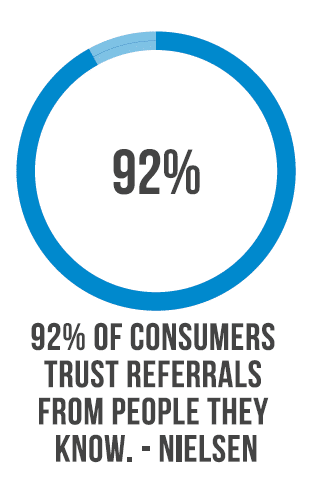
People trust other people. They don’t trust ads. According to Nielsen, 92% of people trust word-of-mouth recommendations from people they know more than any other form of advertising. When a peer says your product is worth it, the message lands in a way no ad ever will. That’s why word of mouth converts better, builds trust faster, and keeps compounding long after a paid campaign ends.
Two types of word of mouth: Organic vs. amplified
There are two types of word of mouth, and the difference matters.
Organic word of mouth is peer-to-peer sharing that happens without any prompting from you. A customer tells their neighbor. Someone mentions you in a Slack channel. Most of it is invisible. Much of it is “dark social,” the conversations happening in DMs, texts, and private channels you’ll never see. It’s free, it’s powerful, and it’s hard to track.
Amplified word of mouth is when you build a system to make sharing easier and more visible. A referral program, an ambassador roster, a hashtag campaign. The recommendation still comes from your customer. You’re just removing the friction between “I’d recommend this” and “here, take this.”
Here’s the part most people miss: a program doesn’t create word of mouth. It captures and amplifies what’s already there. If no one is talking about you, no channel below will fix that. If people are talking about you, you’re leaving money on the table without one.
What creates word of mouth is upstream. It’s your product, service, value, and story. The seven channels below capture what those drivers earn.
Are people already talking about you?
Before picking a channel, ask one question: are people recommending you when no one is paying them to?
If yes, you’re ready. Pick the channel that fits how your customers naturally share. A B2B service business with high-trust referrals operates differently than a consumer brand with viral hashtag potential. Match the channel to your reality, not the other way around.
If no, none of these channels will save you. A referral program with no advocates is empty. An influencer post about a product nobody loves doesn’t move units. Fix what’s making people quiet first. Then operationalize. (If you need to kick-start word of mouth first, start with product, service, value, and story before any channel.)
The signal you’re ready: customers refer you sometimes, but there’s no system to make it easy, track it, or thank them.
The 7 types of word-of-mouth marketing
Now to the channels. Each one is a different way to capture word of mouth, with different strengths and trade-offs.
| Who | What | Where | |
|---|---|---|---|
| Customer referral marketing | The most common referral programs are for customers & employees | Refer people they personally know | In person, social media, text, email |
| Partner programs | Usually non-competing businesses, who may share similar customers | Refer their customers who need a service like yours | On their website, email, in person |
| Influencer marketing | People who have influence over potential buyers | Influence their fans to like the same things as them | Social media, in person, video |
| Brand ambassador marketing | Hand-picked reps who promote your brand in the long term | Build relationships and authentically share their experiences with your brand | In person, social media |
| Affiliate marketing | People who have a high blog or social media following | Promote specific items and brands to their followers | On their blogs, social media, video |
| Reviews and testimonials | Those who have first-hand experience with your product/service | Provide feedback on specific software, services, and products | Review platforms, social media |
| User-generated content | Customers who love your brand and have an online presence | Create and post positive content that features your brand | Social media, sometimes on their blogs |
1. Referral programs
A referral program is when your existing customers recommend you to friends and get something for it. Customers share via email, text, or social, using a referral link tied to their account. When a friend buys, both sides usually get a referral reward. (Different from a rewards program, which rewards customers for repeat purchases rather than recommendations.)
This is the highest-trust form of amplified word of mouth. The sharer is a real customer. The receiver is someone they actually know. The volume is lower than affiliate or influencer programs, but the lead quality is far higher.
The mechanics of a referral program are simple. Unique sharing link, tracking, reward fulfillment. The design choices are what determine whether it works. Three small reframes change the dynamic:
- Run it as continuous promotion, not a campaign. A list of past contacts goes stale in 2-3 months. Build sharing into your service touchpoints, like receipts, post-service emails, and your team’s handoffs, so the program rolls instead of spiking and fading. (See: referral program promotion.)
- Frame the share as a gift to the friend, not a cash payout to the sharer. Nobody wants to feel like they’re monetizing their relationships. Lead all messaging with what the friend gets. The sharer’s reward is a thank-you for the introduction, not a commission.
- Keep access open. Every form, login, or signup hoop kills conversion. Give every customer a link by default. You never know who your most enthusiastic sharers are until you let them share.
Used for: Service businesses, SMBs, and SaaS companies that want high-quality leads from existing customers. Lower volume, higher conversion, and stronger lifetime value than ad-driven channels.
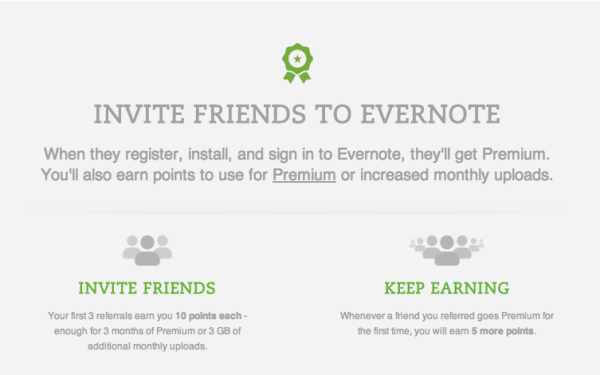
Key use case: Evernote lets any user share the app from a dropdown menu in their account. Both sides win. The advocate earns service upgrades, and the friend gets a free Premium trial. Sharing is one click from anywhere in the app, which removes friction at the moment a user is most likely to mention it. (For a deeper dive, see our complete guide to referral programs.)
2. Partner programs
Partner programs operate similarly to referral programs, but the sharer isn’t a customer. It’s another business or distributor recommending you to their network. The compensation usually goes by a different name too, like finder’s fees, revenue share, or partner commission. The software is often PRM software, though some referral platforms have the flexibility to run partner programs as well.
Partner programs work best when you and the partner serve overlapping customers without competing. They sell something your customer already needs. You sell something theirs already needs. The incentive for partners is what keeps the relationship active over time, so design it so both sides win every time a deal closes.
Used for: Reaching customer networks you can’t reach on your own. Best for B2B and service businesses with complementary partners (think a CRM partnering with a marketing agency, or a roofing company partnering with a property management firm). For more, see how to start a channel partner program.
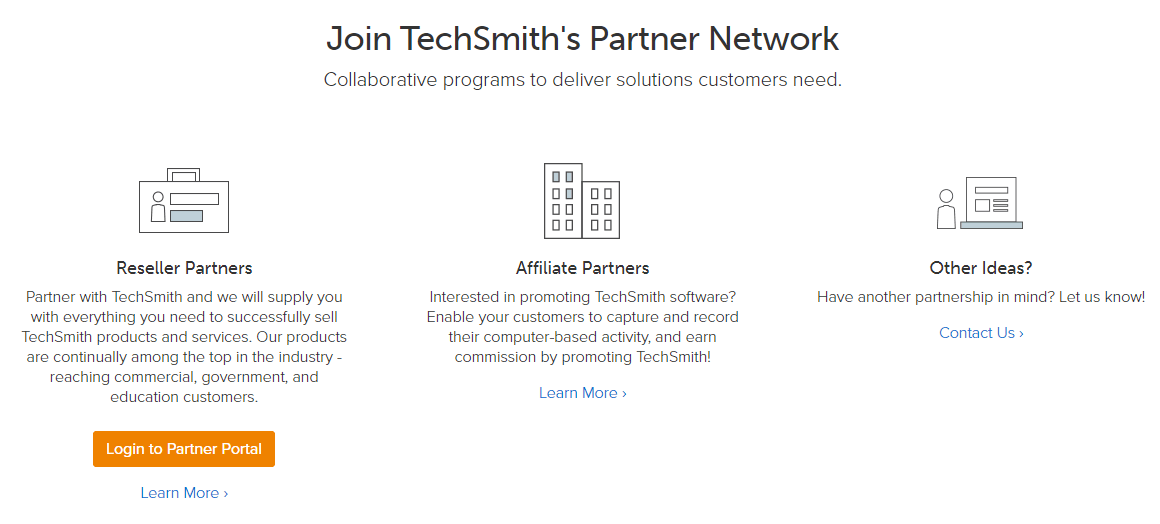
Key use case: TechSmith’s partner network supplies resellers with the materials they need to sell its products and services. Partners get the support, training, and tools to add TechSmith to what they already offer customers, which extends TechSmith’s reach without growing its sales team.
3. Influencer marketing
Influencer marketing is when a creator with an audience posts about your product on a short-term, paid basis. The trade is simple. You pay (or send product), they post.
Reach is the strength. Big-name influencers and even smaller micro-influencers can put your brand in front of more eyes in a week than years of organic content. Trust is the trade-off. Followers know the post is sponsored, even when it’s well-disclosed. Tracking is messy too. Most brands look at engagement, branded search lift, or a vague “did sales bump?” instead of clean attribution.
Used for: Brand awareness and rapid reach. Less useful when the goal is a measurable, attributable sale. Better for launches, new product spotlights, and category education than for performance marketing. Influencer marketing software helps with discovery and tracking.
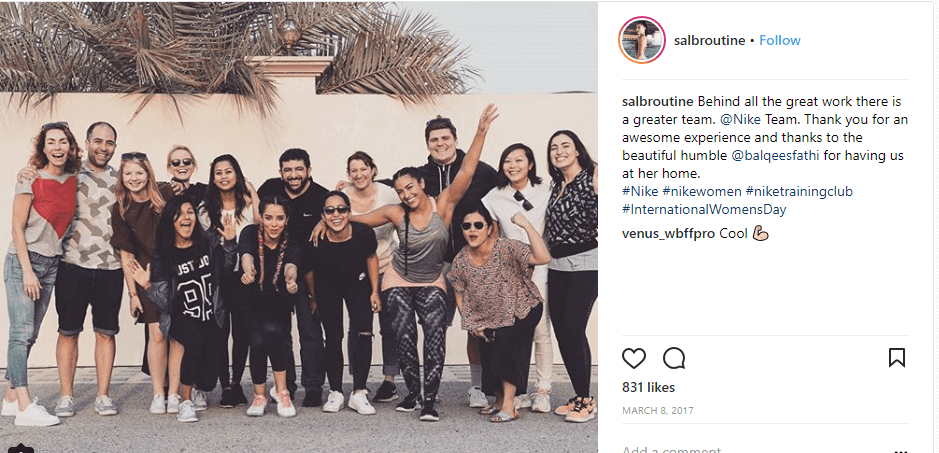
Key use case: Nike has built a layered roster of NBA players, fitness creators, and musicians that puts the brand in front of fans across overlapping cultural circles. The audiences are different, but the message is consistent. People you admire wear Nike.
4. Brand ambassadors
Brand ambassadors are hand-picked, longer-term advocates who represent you over months or years. Where influencer marketing is short-term and transactional, ambassadors are about deep relationships and authentic, recurring posts.
The trust is higher because the relationship is real. The reach is smaller, more focused, and harder to scale. Ambassador programs require ongoing investment in training, communication, materials, and perks. The payoff is recommendations that feel earned because they are.
Used for: Brands building long-term audience trust through specific communities. Common in apparel, fitness, beauty, and lifestyle. For inspiration, see our roundup of brand ambassador program examples.
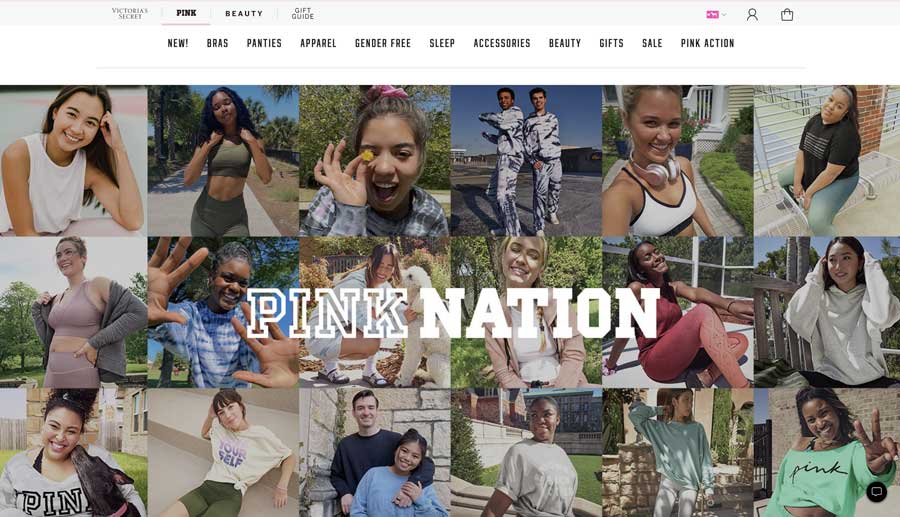
Key use case: PINK recruits college-age women who already love the brand and have established networks at their schools. Ambassadors host on-campus events, run pop-ups, and partner with student organizations. The program meets the audience where they already are.
5. Affiliate marketing
Affiliate marketing is similar to referral marketing in mechanics (unique link, conversion-based payout) but different in relationship. Affiliates are content creators, bloggers, and publishers who promote you to their broader audience, not just people they know personally. They typically earn a commission on every sale made through their link.
The key distinction: a referral comes from a friend. An affiliate post comes from a creator or expert. The reach is bigger, but the trust is thinner because affiliates promote to everyone, not the handful of people they personally know.
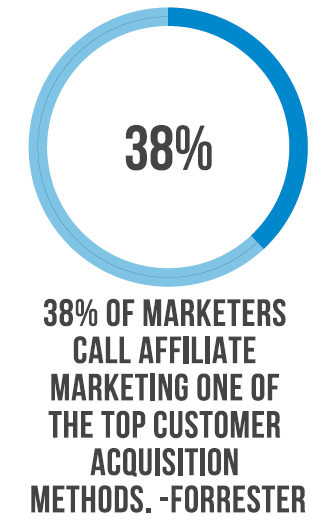
Used for: Brands wanting reach into specific niches and content categories like comparison sites, review blogs, deal aggregators, and niche YouTubers. Often used to promote individual high-converting products rather than the whole brand. Find and recruit affiliates who already serve your audience, formalize the relationship with an affiliate marketing agreement, and track everything with affiliate marketing software.
Key use case: TechSmith runs an affiliate program alongside its partner network. Affiliates promote Snagit and Camtasia and earn 15% commission per sale through their link. Same products, different audience, different intent. Affiliates reach people researching screen-recording tools online.
6. Customer reviews and testimonials
Reviews are word of mouth in writing. Customers post on Google, Capterra, G2, Yelp, or your own site, and prospects read those reviews when deciding whether to buy. You don’t control what gets said. You don’t control where it gets said. But you can encourage it, respond to it, and amplify the best of it.
The leverage here is asymmetric. A handful of detailed positive reviews on the right platform can drive more conversions than weeks of paid ads. A neglected one-star review can quietly cost you business for years. Most teams under-invest in asking for their feedback from happy customers, then over-react when a bad review shows up.
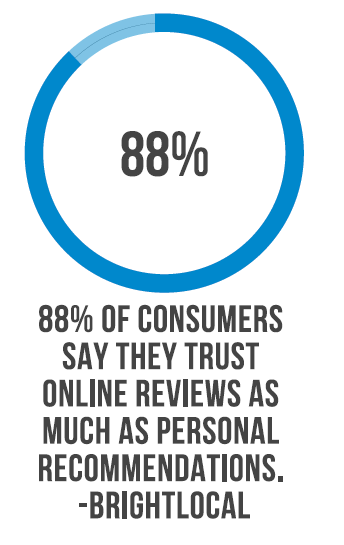
Used for: Almost every business. Critical for any category where buyers research before purchasing, like software, restaurants, home services, and professional services. According to BrightLocal, 90% of consumers read online reviews before visiting a business. Pair this with reputation management platforms to monitor and respond at scale.
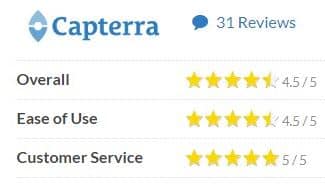
Key use case: Capterra is one of the largest review platforms for software. Any business with a profile can collect reviews from real users, and prospects use those reviews to compare options before booking demos. The platform creates trust at the moment of purchase decision.
7. User-generated content (UGC)
User-generated content (UGC) is anything your customers create on social media that features your brand, like photos, videos, posts, and unboxing clips. When customers share, your brand gets in front of their entire follower list. UGC is a form of peer-to-peer marketing, sometimes called consumer generated marketing.
You can encourage UGC with branded hashtags, contests, or by featuring the best submissions on your own accounts. Most of it happens spontaneously when the product is genuinely worth posting about.
Used for: Brands with an active social presence and a product that’s visually shareable. Strongest for consumer brands, fashion, food, travel, and anything design-led. Weak fit for back-end software or unsexy categories.
Key use case: Apple’s #ShotoniPhone hashtag has over 22.5 million Instagram posts. Apple amplifies the best with feature placements on its own accounts, in marketing campaigns, and even on physical billboards. The customer does the creative work. Apple curates and amplifies.

The foundation under every channel
Every channel above is a way to capture word of mouth. None of them create it.
What creates word of mouth is upstream: a product worth talking about, a service that delivers, value that exceeds the price, and a story people connect with. Strong operations let you deliver on those reliably. That’s the foundation. The seven channels above just give it a path to travel.
If people are already saying nice things about your business, pick the channel that fits how your customers actually share, and start there. If they aren’t, fix the foundation first. No channel will save you from a product nobody wants to recommend.
For a deeper look at driving customer referrals once your foundation is solid, that’s where the real work begins.