
What is Referral Marketing?
Referral marketing is a growth strategy that leverages your existing customers, partners, and advocates to bring in new business through personal recommendations. Unlike traditional advertising, referral marketing relies on trust-based relationships to drive conversions, making it one of the most cost-effective and high-converting acquisition channels available.
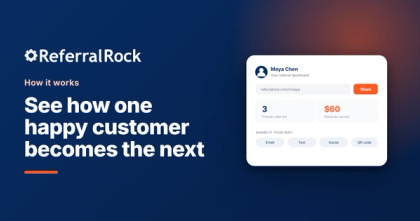
At its core, referral marketing systematizes what already happens naturally: people recommend products and services they love to their friends, family, and colleagues. A formal referral program adds structure to this process by providing advocates with easy sharing tools, tracking their referrals, and rewarding them when those referrals convert into paying customers.
Modern referral marketing has evolved far beyond simple “tell a friend” tactics. Today, sophisticated referral platforms enable businesses to create multi-tiered reward structures, automate the entire referral lifecycle, integrate with existing CRM and marketing systems, and measure the precise ROI of every referral.
Whether you are a B2B SaaS company looking to accelerate pipeline growth, an e-commerce brand seeking lower acquisition costs, or a service business wanting to generate more qualified leads, referral marketing provides a proven framework for leveraging the trust your customers have already built within their networks.
Why Referral Programs Work
Referral programs work because they tap into the most powerful force in marketing: trust. According to Nielsen research, 92% of consumers trust recommendations from people they know above all other forms of advertising. When a friend or colleague recommends a product, the implicit endorsement carries more weight than any paid campaign could deliver.
The economics of referral marketing are equally compelling. Referred customers typically have a 16% higher lifetime value than non-referred customers, and they are four times more likely to refer others in turn, creating a compounding growth effect. Because referrals come with a built-in endorsement, businesses spend less on convincing prospects and more on delivering value, which leads to acquisition costs that are often 50-70% lower than paid channels.
Referral programs also benefit from a powerful psychological principle known as social proof. When people see others they respect using and recommending a product, it reduces perceived risk and accelerates the decision-making process.
Beyond acquisition, referral programs strengthen relationships with your existing customers. By giving advocates a way to share something valuable with their network and earn rewards for doing so, you deepen engagement and loyalty.
Types of Referral Programs
Customer Referral Programs are the most common type, where existing customers refer new prospects in exchange for rewards. These programs work well for both B2B and B2C businesses because they leverage the satisfaction and trust that customers have already developed.
Brand Ambassador Programs go a step further by recruiting highly engaged customers, influencers, or community members to actively promote your brand. Ambassadors typically receive ongoing perks, exclusive access, and tiered rewards based on their performance.
Affiliate Programs involve third-party partners, bloggers, content creators, or businesses that promote your product to their audiences in exchange for commissions. Unlike customer referrals, affiliate relationships are primarily transactional and performance-based.
Partner Referral Programs are designed for strategic business partnerships where complementary companies refer customers to each other. These programs are common in B2B environments where an ecosystem of related products and services creates natural referral opportunities.
How to Launch a Referral Program
Launching a successful referral program begins with defining clear goals and understanding your audience. Start by identifying what success looks like for your business. Are you focused on new customer acquisition, increasing revenue per customer, or expanding into new markets?
Next, design your reward structure carefully. The most effective programs offer a double-sided incentive that rewards both the referrer and the referred customer. This creates a win-win dynamic where advocates feel good about sharing because they know their friend will benefit too.
Choose the right referral platform to manage your program. A dedicated tool like Referral Rock handles the technical complexity of tracking, attribution, reward fulfillment, and analytics so you can focus on strategy and promotion.
Finally, promote your program aggressively at launch and sustain that momentum over time. The biggest mistake companies make is building a referral program and then burying it in a footer link. Feature it prominently in your email sequences, in-app messaging, and customer success touchpoints.
Best Practices
Make sharing effortless. The easier it is for advocates to share, the more they will do it. Provide one-click sharing options across multiple channels including email, social media, and direct messaging. Pre-written messages save advocates time while ensuring your value proposition is communicated clearly.
Time your asks strategically. The best time to ask for a referral is immediately after a positive experience. This could be after a successful onboarding, a product milestone, a glowing support interaction, or a positive NPS survey response.
Keep advocates informed and engaged. Transparency builds trust and motivation. Send automated notifications when a referral clicks a link, signs up for a trial, or converts into a customer. Celebrate milestones and provide leaderboards or progress indicators that encourage continued participation.
Test and iterate continuously. Treat your referral program like any other marketing channel and optimize based on data. A/B test different reward amounts, messaging, email subject lines, and sharing prompts. Monitor your referral funnel to identify drop-off points and address friction.
Measuring Success
The foundation of referral program measurement is tracking the complete referral funnel, from initial share to final conversion. Key top-of-funnel metrics include the number of active advocates (customers who have shared at least once), total shares, and clicks per share.
Mid-funnel metrics focus on conversion. Track your referral-to-signup rate, signup-to-customer rate, and overall share-to-customer rate. These numbers tell you how effectively your referral traffic is converting at each stage. Most businesses find that referral conversion rates are two to five times higher than paid advertising.
Revenue metrics are where the true value of your program becomes clear. Measure the total revenue attributed to referrals, the average order value of referred customers versus non-referred customers, and the customer lifetime value of referred accounts.
Finally, track program health metrics over time. Monitor advocate participation rate, reward redemption rate, and referral velocity (the speed at which new referrals come in). A healthy referral program should show steady or increasing participation rates and a positive trend in referral-attributed revenue.

About the author
Founder CEO
Referral nerd, obsessed with understanding the human behavior and technical mechanics involved in human to human recommendations. Navigating the balances of what has classically worked with referral programs and what has changed overtime in technology & culture. All to try to help businesses get more referrals on purpose in the changing world.
