Home services businesses run on reputation. When someone needs a roofer, a plumber, or a pest control company, they ask the people they trust. That word of mouth is already happening for you if you’re running a tight operation and delivering great work.
A referral program puts a system around that. It makes it easy for happy customers to share, tracks who sent whom, and thanks people for spreading the word. But it only works if the foundation is there first. This guide covers how to set up a home services referral program that actually lasts, from readiness to rewards to ongoing promotion.
Note: This article is not for caregivers or home health care agencies seeking to start a referral program for their home care services. If you’re a home care business, check out our home care referral program guide instead.
What is a home services referral program?
A home services referral program rewards your existing customers for referring friends or family to your business. By setting up a structured program with referral software, you can track every referral, see how well the program is performing, and make sure people get thanked for sending business your way.
Any home service or home repair company can benefit from a referral program, as long as you’re already getting referrals and positive feedback. We’ve seen these referral programs work well for industries like:
Why home services referral programs work
When someone needs a home service, they invest time researching and comparing providers. But a recommendation from a friend cuts through all of that. People are four times more inclined to pay for your services when they receive a recommendation from someone they trust.
A referral program taps into the trust your satisfied clients already have in your services and turns it into a repeatable channel for new customers. These programs are more affordable than traditional advertising and you only pay when a referral leads to a sale, keeping your spending tied directly to results.
Plus, with software tracking every referral, you get data on how the program is performing, who your top referrers are, and where to optimize.
Referral software for home services [Free Tools]
These referral tools for home services are a free and easy way to help you start your referral program.
Want a automated referral system for your home services business? Uncover referrals in plain sight to smooth out business lulls, without losing focus on your real day to day work helping customers.
Check out our referral program software - done right.
Are you ready for a referral program?
Not every home service business is prepared to kick off a referral program, even with all the advantages it offers. A program captures and amplifies word of mouth that’s already happening. It doesn’t create it. Before you invest in one, you need two things in place:
- Strong operations. You run a tight ship. Scheduling is easy and you’re responsive. You follow through on every project, from the initial check-in call to the final details. Your team shows up on time and knows what they need to do. Consistency is your reputation, and when something does go wrong, you recover quickly.
- Word of mouth worth capturing. People are already talking about you. You’re getting positive reviews, stellar comments, and enthusiastic feedback. Some customers are already recommending you on their own, without any formal program. That’s the signal you’re ready: referrals are happening, but there’s no system to make them easy, track them, or thank people for them.
If both of those are in place, a referral program takes what’s already working and makes it reliable. If they’re not, focus on tightening your operations and customer experience first. The program will be there when you’re ready.
Home services referral program best practices
Now that you know you’re ready, follow these best practices to make your home services referral program a success:
Design your rewards around the friend
Most referral programs put all the energy into what the referrer earns. But think about it from the sharer’s perspective. When someone recommends your roofing company to a neighbor, they’re not thinking about their $50 gift card. They’re putting their reputation on the line because they genuinely believe their friend will get great service.
The best referral programs lean into that. Instead of making the referral feel like a transaction (“refer a friend, get $50”), frame it as a gift the sharer is giving their friend. All your messaging, from the program title to the emails to the offer itself, should center on what the friend gets.
For the friend (the referred lead): Link the reward directly to your services. Service discounts, credits toward their project, cash back after payment, or a free add-on service. These motivate the friend to actually sign on, which is the whole point.
For the referrer: Cash, Visa gift cards, Amazon gift cards, or gift cards to other businesses all work well. For customers on ongoing services like maintenance, pest control, or lawn care, credits toward future services are a solid option too.
When to give rewards: Generally, you reward when the purchase is successful, once the referred lead signs the contract and pays. But if your sales process is longer, consider a multi-step reward: a smaller reward when a lead is qualified, and the full reward when the deal closes. This keeps referrers motivated through longer sales cycles.
You can also consider tiered rewards (bigger rewards for higher-tier services like installations vs. repairs) or entering referrers into a drawing for a larger prize. If you run a contest, still give a set reward for every referral. Everyone who brings in new business should get something.
Use our referral reward calculator to determine the reward values you should offer the sharer and their friend, for the best ROI.
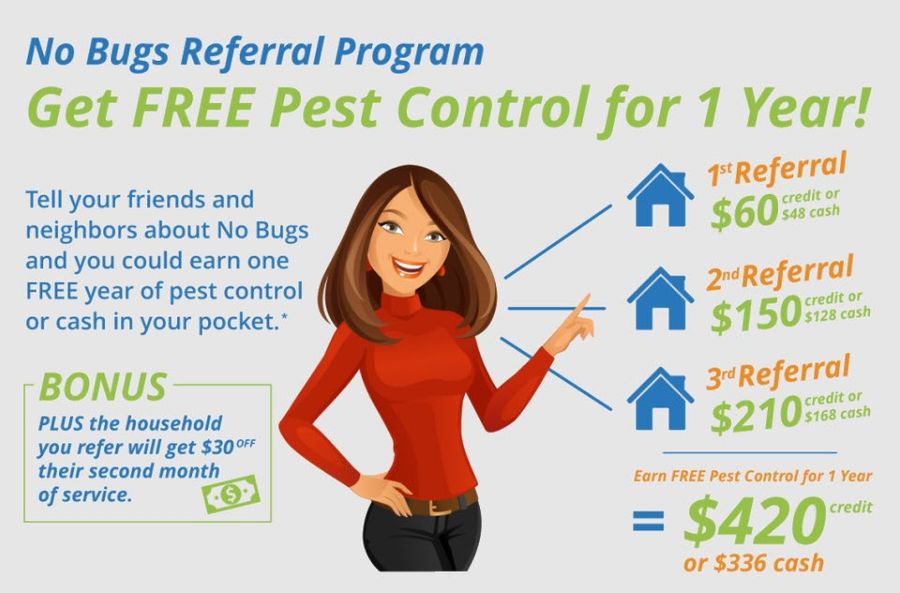
Promote your program continuously
A common mistake is treating a referral program like a marketing campaign: big announcement, blast the list, hope for a spike. Then it fades. The programs that actually work treat promotion as an ongoing part of how the business runs.
Don’t obsess over finding the “perfect moment” to ask for referrals. The right time is all the time, through multiple channels. A contact list goes stale in 2-3 months, so the focus should be on consistently reaching new customers, not re-blasting the same list.
Think of it as three types of promotion working together:
Proactive invites. Direct outreach to customers. Send dedicated emails about the program (monthly to quarterly is a good cadence).
Also, personally invite clients to the program when you know they’re pleased with your service:
- You’ve successfully finished a project
- You’ve received enthusiastic feedback during a face-to-face conversation
- You’re sending the invoice for a project you know they were happy with
- You’re checking in for a follow-up and they mention how well the install, service, or repair is holding up
- You’re aware they’ve already recommended your services to others outside of your referral program
Discovery paths. Put the program where people naturally look and expect to find it:
- On your website (a prominent hero image or banner, plus buttons in the top and bottom menus)
- In newsletters, confirmation emails, invoices, and other communications
- In your email signatures and social media bios
- In social media posts
Program recruiters. Your team in the field, your service people, your salespeople. They interact with happy customers every day. They’ve been in regular communication with your clients throughout their project and have focused on building relationships that last, so they’re primed to invite clients to your program.
Equip them with referral cards (linked to the digital program with QR codes) to distribute during service visits. Make sure your staff understands how the program works so they can answer questions confidently.
With Referral Rock, you can give all your reps a way to enroll customers in your referral program in seconds, right at key conversation moments. Sales reps, field teams, and location staff each get their own recruiter portal and link.
When you build referral touchpoints into all three areas, the program runs alongside your business instead of depending on periodic pushes.
Keep access open and sharing easy
Here’s where a lot of programs die before they start: they make people sign up. A form to fill out. A password to remember. Every step you add between “I want to refer someone” and “here’s my link” is a step where you lose people. You never know who your most enthusiastic sharers will be, and gating access means you might never find out.
The better approach: everyone is already a member. With Referral Rock’s automated enrollment tools and One Click Access links, people can instantly start sharing your business without signing up or completing any forms. Include these links in all your promotional emails about the referral program, in newsletters, and in transactional emails.
Referral Rock also lets members access their referral portal using social logins like Google and Facebook, so they don’t need to remember a password.
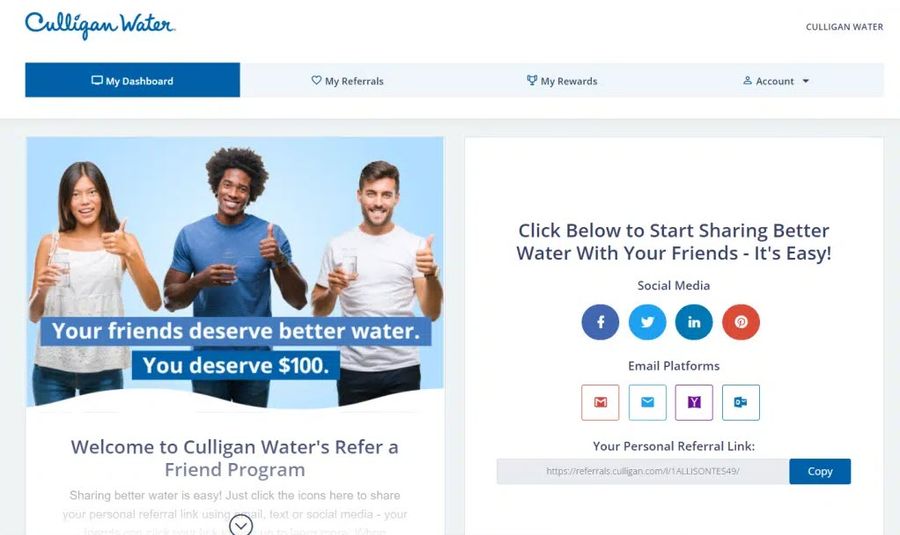
Once someone reaches the referral page, make it clear what to do:
- A catchy headline that tells them what to do (share) and what they get (the reward)
- A brief outline of the program and steps to earn rewards
- A prominent call-to-action button to start sharing
- An FAQ link for additional questions
- Multiple sharing options: email, social media, and a unique referral link they can copy and share however they want
Make the friend’s first impression personal
The message the referred friend receives is often their first encounter with your business, so it should make a great impression. Pre-write the message to save time for the referrer, but make sure it sounds friendly and personal, like it’s coming from a peer, not from your brand.
This is part of what makes the referral feel like a gift instead of an ad. The friend should see that someone they trust sent this to them specifically. Highlight the rewards the friend will receive after purchasing your services, the benefits of your services, and include a clear call-to-action to take the next step.
A share carries further when it feels personal at every step, from the invitation sharers get, to the message they send friends, to the page their friend lands on. Here’s how to personalize the share experience with Referral Rock.
Show your appreciation
Showing gratitude to customers for their referrals makes them feel valued and motivates them to refer again. Send a thank-you note when a referral leads to a sale. Along with the rewards they receive, a simple acknowledgment goes a long way in keeping people engaged with your program.
Select the right referral software
The right referral software simplifies program setup and automates management. It generates unique referral links for tracking, triggers rewards automatically, and gives you data to optimize performance.
Referral Rock is a great option for those looking for best-in-class referral tracking, sharing, and engagement experiences, with concierge onboarding that doesn’t require any developers.
- Easily track referrals: Each participant gets a unique referral link, and customers can track their own referrals through personalized dashboards.
- Automate marketing efforts: Keep customers engaged with strategic, automated promotional emails, and simplify sharing with passwordless links.
- Customize and streamline rewards: Set up any reward structure you choose, including tiered and multi-step rewards, then automatically pay them out.
- Integrate with essential tools: Seamlessly connect Referral Rock with over 50 different tools, including your CRM.
- Gather program insights: Quickly evaluate your program’s performance and make data-driven improvements.
- Set up in no time: Launch your program in just a few days, with expert support available at every step.
Check out how our referral software is designed for home services businesses like yours.
Start your own home services referral program
A home services referral program works because it builds on something you’ve already earned: your reputation. When your operations are tight and customers are already recommending you, a program turns that word of mouth from random into reliable.
Start with the foundation. Design rewards that feel like a gift for the friend. Keep access open so anyone can share. And promote the program as part of how your business runs every day, not as a one-time campaign. The businesses that get this right don’t just get more referrals. They build an acquisition channel that compounds over time.

About the author
Content Specialist & Referral Program Advisor
Jess has been with Referral Rock since 2019. She has been a critical part of our content team and has been responsible for writing, reviewing, and maintaining our content library as well as our product support documentation. She is meticulous in her research, writing, and review process. More recently she has helped review and draft referral program messaging for our customers. This has helped her create a unique feedback loop where she sees referral programs in action, helps launch them, and also contributes to our articles.