
Most businesses treat referral programs like marketing campaigns. Big launch, blast a list, hope for a spike. The ones that actually work are built as ongoing operations.
That shift changes everything.
Referral programs reward customers for recommending your business to their peers. But a referral program doesn’t *create* word of mouth. It captures and amplifies what’s already there. If no one’s talking about you, a program won’t fix that. If people *are* talking about you, you’re leaving money on the table without one.
This guide covers how to build a referral program that works. Not just the mechanics, but the mindset.
What we’ll cover:
- Why referral programs work
- Are you ready for a referral program?
- How to choose rewards (and why framing matters)
- How to design a program that converts
- How to promote your program continuously
What is a Referral Program?
A referral program motivates your existing customers to tell their friends, family, and colleagues about your brand, products, or services.
Customers receive referral links to share with their network. When someone they refer makes a purchase, the customer earns a reward. This helps businesses track where new customers come from and identify their biggest advocates.
Why Referral Programs Work
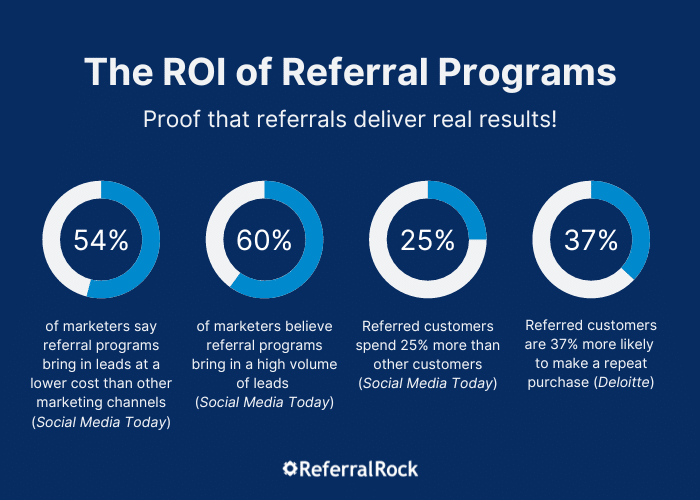
Referrals work because they come with built-in trust. When a friend recommends something, you listen. 84% of consumers trust referrals from people they know more than any other source.
A referral program takes this natural behavior and makes it systematic:
- Standardizes the sharing process. Even happy customers forget to spread the word. A program gives them an easy way to share and a reason to remember.
- Brings in best-fit leads. Customers only recommend you to friends they think will actually benefit. Their reputation is on the line.
- Lowers acquisition cost. You only pay rewards when referrals convert. Compare that to ad spend with no guarantees.
- Attracts higher-value customers. Referred customers spend 25% more, are 37% more likely to repeat purchase, and have 16% higher lifetime value.
- Creates a cycle. Referred customers are 3x more likely to refer someone else.
Without a program, word of mouth is random. With one, it becomes reliable.
Are You Ready for a Referral Program?
Before diving into the how-to, ask yourself: is now the right time?
A referral program works best when two things are already true:
1. You have word of mouth worth capturing
People are already talking about you, or would if asked. You can’t manufacture this. You earn it through your product, service, value, or story.
Signs you have it:
- Customers occasionally refer you without being asked
- You get positive reviews or unsolicited feedback
- When you ask “how did you hear about us?”, people say “a friend”
Signs you don’t (yet):
- Crickets when you ask for referrals
- No organic mentions, reviews, or feedback
- Customers are satisfied but not excited
If you’re in the second camp, focus on becoming worth talking about first. A referral program won’t fix a word-of-mouth problem. It amplifies what’s already there.
2. You can handle more customers
A referral program that works will bring in new business. Can you serve them well? If your operations are stretched thin, fix that first. Nothing kills referrals faster than a friend having a bad experience with a business you recommended.
The readiness signal: Customers refer you sometimes, but there’s no system to make it easy, track it, or thank them. You’re leaving money on the table.
If both boxes are checked, you’re ready. Let’s build.
Step 1: Choose Your Referral Program Rewards
First: Understand the Friend Factor
Before choosing rewards, shift your thinking.
Most businesses obsess over what the referrer earns. “Refer a friend, get $20.” This makes the whole thing feel transactional. The sharer feels like they’re selling out their friend for a reward.
The best referral programs flip this. They frame the referral as a gift the sharer is giving their friend.
Instead of “Earn $20 for every referral,” try “Give your friends $20 off their first order.”
When the focus is on the friend:
- Sharers feel generous, not self-serving
- Friends feel like they’re getting a VIP hookup, not being monetized
- The whole dynamic shifts from transaction to relationship
What gift are your customers giving their friends?
A. Determine who will get the referral rewards
We recommend rewarding both the referrer and friend. Your existing customers get a reward, so they’re motivated to make more referrals. And they don’t feel like they’re recommending you for purely selfish reasons, as they’re also helping out their peers.
The reward can be the same for both parties (“Give $20, Get $20”) or different (“Give $15 to your friends, and get a free product in return”).
If you only reward your existing customer, this can make the reward seem self-serving. Potential referrers will be reluctant to “sell out” their friend’s information just to get a reward of their own.
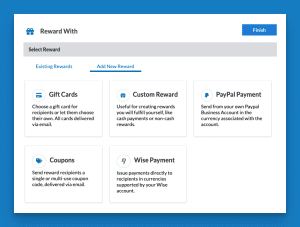
B. Consider what reward to offer
Find out what type of referral reward will work best by considering what your customers value most. For example, a snack food brand can offer a free sample or discount for every successful referral, and a cloud storage platform can offer free storage space.
Common reward types:
- Store credit or discounts
- Cash rewards
- Free products or services
- External gift cards (Amazon, Visa, etc.)
- Swag or branded merchandise
Consider your buying cycle. If customers purchase often, store credit works well. If purchases are infrequent (car dealership, mattress company), cash or external gift cards make more sense.
C. Decide on a reward structure
Standard reward structure: The same reward for every successful referral (e.g., $20 store credit). Simple and straightforward.
Tiered reward structure: Different reward levels based on number of referrals. For example, $10 for the first three referrals, then $20 for each one after. Or different swag items as customers hit referral goals.
Gamified reward structure: Awards an extra, high-value reward to customers who make the most referrals in a certain time period. Appeals to customers’ competitive sides.
Step 2: Design a Referral Program That Converts
A. Make it easy for people to refer
The best referral programs make it easy for customers to share your brand with others. If a customer has to jump through hoops just to send a referral, they’ll give up early. Give customers a way to refer their friends in as few clicks or taps as possible.
When explaining how the program works, cover:
- What needs to happen for rewards to be earned
- The referral benefits
- A clear call to action (what the next step is)
Be concise. Summing things up in a three-step process is effective.
B. Don’t gate your program
One of the biggest mistakes: requiring people to “join” the referral program.
Sign-up forms, account creation, hoops to jump through. Every one of these kills conversion. People who would have shared hit a wall and leave.
The best referral programs have no join button.
Instead of gating access:
- Give everyone a referral link or code by default
- Don’t require account creation to share
- Assume everyone is already a member
- Make it passwordless and frictionless
What about fraud? Handle it progressively, not preemptively. Most customers won’t abuse the system. You can address bad actors as they appear. Don’t punish everyone for the actions of a few.
Operate from abundance, not scarcity. The easier you make it, the more people will share.
C. Provide multiple sharing options
Give your customers a few different ways to share (social media, email, text message) and you increase the likelihood of them actually sharing. Choose the options that align with how your customers naturally share things with friends.
Include a one-click referral link so customers can copy and paste to share however works for them.
D. Create your referral messaging
A pre-filled, ready-to-send message makes it even easier for customers to share. The referral message might be their friend’s first contact with you.
Your referral message should:
- Explain the referral benefits at the start
- Give a clear call to action
- Keep everything easy to understand
- Make it personal (it should feel like it’s coming from the customer, addressed to their friend by name)
Give customers the option to edit the message or add their own lines.
E. Make sure referred friends feel like VIPs
Consider what the friend experiences after they click on the share message. Directing referrals to generic pages creates a disjointed experience. When the message doesn’t align with what was shared, friends feel overlooked.
Instead, provide a tailored referral page that highlights your brand’s advantages, presents the referral offer, and features a clear call to action. Mention the referrer’s name as the person who gifted them the VIP reward.
Step 3: Make Your Promotion Plan
This is where most referral programs fail: they launch like a campaign.
Big announcement. Blast the email list. Hope for a spike. Then silence. The list goes stale in 2-3 months, and the program fades into the background.
The programs that work treat promotion as ongoing operations, not a one-time event. Your referral program should be breathing, not launched and forgotten.
Think of promotion in three ways:
- Proactive invites. Actively tell customers about the program at key moments (after purchase, after positive feedback, during onboarding).
- Passive entry points. Put the program in high-traffic places where customers will naturally discover it (website footer, account dashboard, email signatures).
- Program recruiters. Empower your team to introduce the program in 1:1 conversations. Make it a team sport, not just a marketing channel.
The goal is consistency. Not a spike, but a steady stream.
A. Determine who you will ask for referrals first
Promote to your most loyal customers first, even before the full launch. This includes customers who have purchased the most, stayed with you longest, or given glowing feedback.
If people have recently left positive reviews or social comments, they’re perfect candidates. They’re already willing to recommend you publicly.
Send personalized emails, thank them for their loyalty, and give them VIP access before you launch to everyone.
B. Figure out how you’ll tell all customers about the program
Promotion strategies:
- Send a dedicated program email to all customers
- Mention your program in newsletters and update emails
- Post about your program on social media
- Add referral prompts to thank-you pages and post-purchase pop-ups
- Put links in your homepage, top menu, and footer
- Include a link in email signatures and social bios
C. Keep the promotion going
Promotion needs to be ongoing. Send a monthly or quarterly reminder email. Regular promos in other emails, quarterly social posts, and continued homepage mentions all help.
People forget things. Making your program discoverable and consistently reminding people it’s there is essential.
Step 4: Use Referral Program Software
Referral marketing software makes it easy to track every referral back to the person who made it, and instantly issue rewards once they’re earned.
Keep in mind that not all customer incentive programs are alike. Affiliate programs or loyalty programs are useful for growth, but they’re not the same as referral programs. Make sure the software you select is designed for tracking customer referrals.
Referral Rock is referral software built to help all businesses design, track, and manage referrals on an easy-to-use platform. It has advanced reward management and lets you embed sharing links across your customer lifecycle. Plus, it integrates with CRMs like HubSpot or Salesforce, and ecommerce platforms like Shopify or BigCommerce.
Referral Program Examples
When building your own program, it helps to see examples where other brands have had success.
Harry’s: Building awareness before launch
Harry’s offered a referral program before they even launched. Users entered their email on a splash page, then received a unique referral link to share. The more friends who signed up, the bigger the prize earned.
The tiered referral program worked. In one week, they gathered almost 100,000 email addresses. Today, Harry’s owns the German factory that makes its blades, and its products are in top retailers across the country.
Omsom: Catching attention with enticing rewards
Omsom specializes in flavorful starter packets for at-home Asian dishes. Their headline “Give a starter, get a starter” and eye-catching imagery draw customers in.
The double-sided reward of a free Omsom starter packet (for both advocate and friend) appeals to the desire to help a friend while getting something in return. The bold colors stay consistent with the brand throughout.
Morning Brew: Tiered and gamified rewards for viral growth
Morning Brew subscribers earn tiered rewards as more friends subscribe. Available rewards include virtual event access, branded swag, and even a complete work from home makeover for super-advocates.
It’s easy to share via email, social media, or referral link. The tracker showing how many referrals needed for the next reward is extra motivating.
Nearly a third of Morning Brew’s subscriber base was referred by friends. They grew from 100,000 to 1.5 million subscribers in 18 months.
Dropbox: Pioneering the referral program structure
Dropbox’s program helped the brand grow by 3900% in 15 months. 35% of all signups still come from their referral program.
Dropbox presents the referral program at the end of onboarding. Users are convinced to share because the product experience is amazing. The double-sided reward means both referrer and new user benefit.
When a friend signs up, they receive an email notifying them of the free space they earned, and inviting them to share with their own friends. That’s how to start a cycle of repeated sharing.
What are the different types of referral programs?
A customer referral program is the most popular type of referral program, and is the one we’ve focused on in this article. This program encourages all of your customers to share your brand with friends.
Sometimes, though, businesses will run customer ambassador programs. Often, these programs are the exact same as customer referral programs, just with a different name. But in some cases, customers must go through some sort of formalized training, or meet other requirements, before they can make referrals as ambassadors. Other times, a business will hand select some of its best customers to be ambassadors, and limit the program to these VIPs. Many ambassadors will use social media to promote a brand and direct their followers to your website via their referral link.
A referral partner program is another type of referral program. Referral partners sign a contract to partner with you and go through a partnership training. Then, they refer individuals or businesses they have an existing relationship with, and earn commissions on the sales they help make.
Yet another type of referral program is an employee referral program, where you encourage employees to share your business with the people they know in exchange for rewards.
Start a Referral Program That Actually Works
The mechanics of a referral program are the easy part. The hard part is the mindset.
Treat your program like a marketing campaign (launch and forget) and it will fade. Treat it like ongoing operations (consistent promotion, team involvement, continuous improvement) and it will compound.
Focus on what the referrer earns and it feels transactional. Focus on the gift they’re giving their friend and it feels generous.
Gate access and add friction, people drop off. Make everyone a member by default and sharing becomes effortless.
The best referral programs aren’t complicated. They’re:
- Built on word of mouth that already exists
- Framed as a gift, not a transaction
- Open by default, not gated
- Promoted continuously, not launched once
Start there. The mechanics will follow.
Ready to build yours? Referral Rock makes it easy to design, launch, and manage a referral program that works, with the tracking, automation, and flexibility to fit your business.
Learn more about how Referral Rock can help >
Looking for more info on starting a referral program? Check out these resources: