Some social media campaigns disappear in a day. Others get talked about for years. The difference usually isn’t budget or timing — it’s whether the campaign gave people a reason to share it.
We broke down 21 social media marketing campaigns that actually worked, from fast food Twitter wars to emoji-based fundraising. For each one: what they did, why it spread, and what’s worth borrowing.
1. Wendy’s Twitter roasts
Remember when brands were supposed to be polite and professional? Wendy’s said “nah” to all that and built an empire on Twitter by roasting competitors and fans alike.
Wendy’s experienced a meteoric rise in 2017 which has continued unabated, and it’s easy to see why. Much of the love, appreciation, and attention this brand has received was because of its witty one-liners, sharp comebacks, and savage roasts on Twitter.
Twitter users would even take to Twitter to solicit the brand’s roasts because they wanted the pure unadulterated fun of getting roasted by Wendy’s.
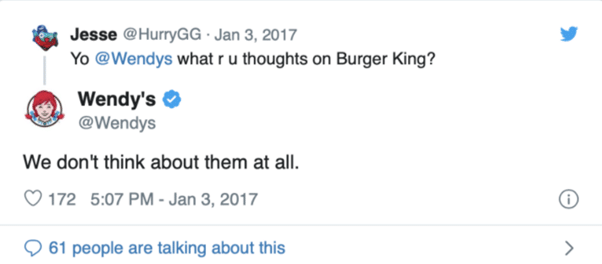
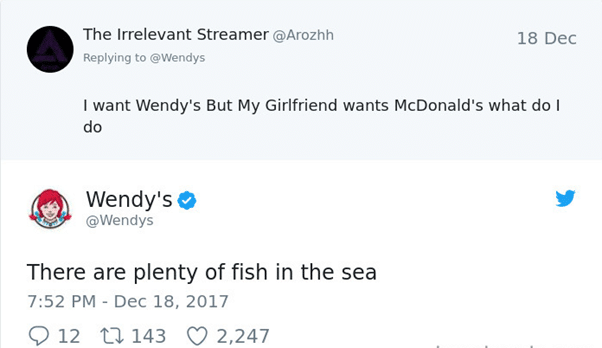
Their secret? A team with impeccable comedic timing, consistent engagement, and the guts to push boundaries without crossing lines. While other fast food chains were posting boring product photos, Wendy’s was creating content people would voluntarily share with friends.
The results? Over 3.8 million Twitter followers and a brand personality so strong people literally beg to be roasted by a fast food company. Let that sink in.
If humor, people skills, and a consistent brand presence are what you can bring to the table in your social media campaigns, take a page from their book.
2. IHOP “changes its name” to IHOb
When the International House of Pancakes (IHOP) wanted people to know they had burgers on the menu too, they went about their social media strategy a little differently. IHOP temporarily “changed” their name to IHOb, and the internet collectively lost its mind trying to figure out what the ‘b’ stood for.
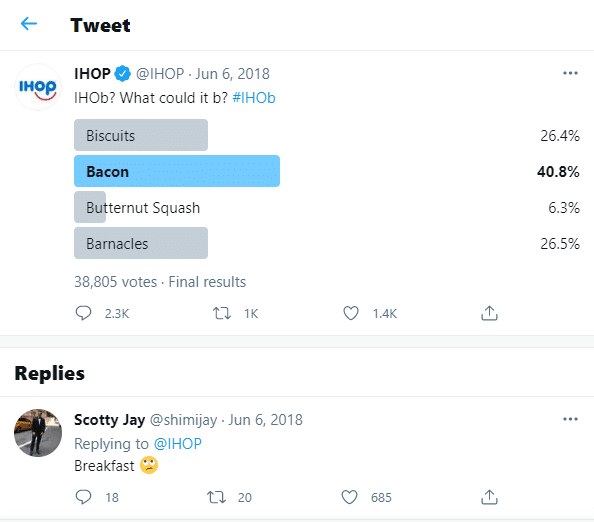
It was a masterclass in anticipation marketing. By creating a mystery and inviting everyone to solve it, they transformed a simple menu addition (burgers) into global news. The payoff? 42.5 billion media impressions, $113 million in earned media, and quadrupled burger sales.
Sometimes the best way to announce something boring (like “we also sell burgers”) is to make it feel like an event people don’t want to miss.
3. OREO’s “Dunk in the Dark” Super Bowl tweet
OREO’s “Dunk in the dark” tweet is a thrilling example of clever and spontaneous marketing that was able to capture attention, and elevate brand awareness, all in one breath. During the Super Bowl in 2013, the Superdome in New Orleans experienced a power outage that left fans literally in the dark. Meanwhile, in the OREO marketing camp, the team saw a golden opportunity and almost immediately released this tweet:
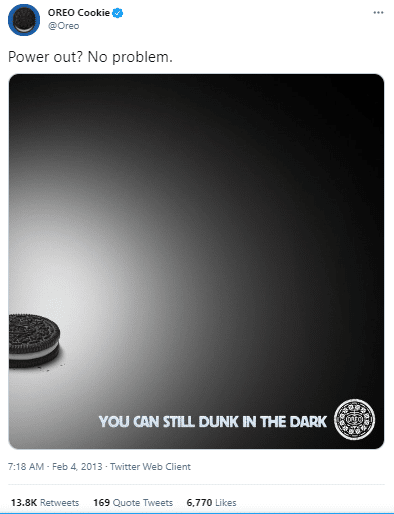
The tweet was shared over 13.8K times, resulting in phenomenal brand reach. Great marketing is timeless, and this tweet and the OREO brand, in association, get talked about even today.
This isn’t just about being quick on your feet—it’s about having a team empowered to make decisions without navigating 17 layers of approval. That single tweet generated more buzz than many million-dollar campaigns because it was perfectly timed and genuinely clever.
4. ALS Ice Bucket Challenge
In 2014, the ALS Association came up with the Ice Bucket Challenge to create awareness about ALS (amyotrophic lateral sclerosis, a progressive neurodegenerative disease also called Lou Gehrig’s disease). The challenge was simple: pour a bucket of ice water over your head, share a video, and nominate others. Nominees had 24 hours to complete the challenge or donate to the ALS Association.
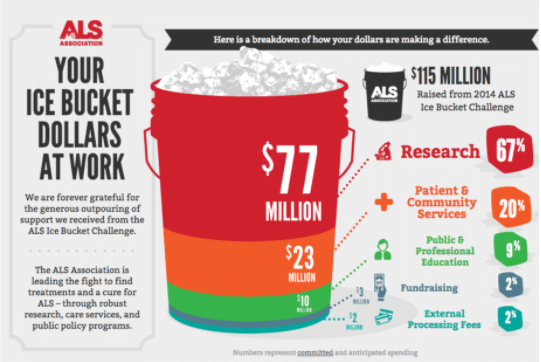
The Ice Bucket Challenge enjoyed tremendous success around the world through multiple social media channels. According to Wikipedia, the challenge raised over $220M worldwide. Its combination of competitiveness, social media pressure, and low barriers to entry led to more than 2.4 million tagged videos circulating on Facebook.
A simple concept with mass appeal for social media users can result in massive visibility and word-of-mouth marketing.
Source
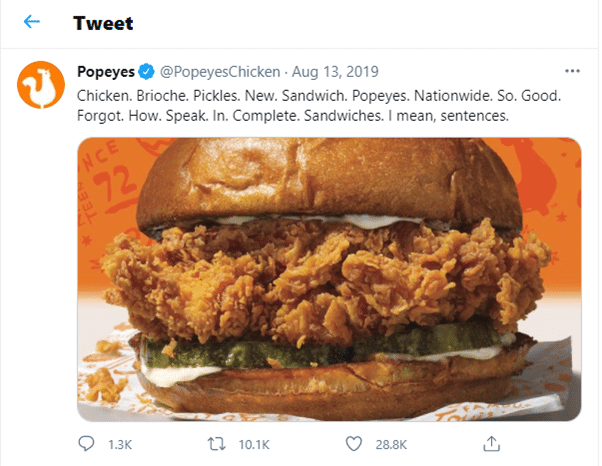
5. Popeyes vs. Chick-fil-A chicken sandwich war
When Popeyes launched their first chicken sandwich, they didn’t just create a product—they sparked a cultural movement. The sandwiches sold out so fast, Popeyes had to put it on a temporary hiatus due to that crazy demand (but promised it would be back).
In the meantime, Popeyes continued to milk the popularity of the sandwiches through social media content showing customers clearly enjoying their sandwiches and the ‘sold out’ signs across multiple locations.
But the real magic happened when Chick-fil-A tried to claim sandwich supremacy on Twitter. Chick-fil-A came out with a tweet that highlighted their chicken sandwich as the “original,” clearly taking a jab at Popeye’s.
Popeyes’ simple response to Chick-fil-A (“…y’all good?”) triggered a Twitter war that had everyone picking sides. The result? Sandwiches selling out even faster nationwide and an extra $400,000 in revenue in their first year after the sandwich launch.
The lesson? Sometimes your best marketing happens when you’re willing to engage with competitors instead of ignoring them.
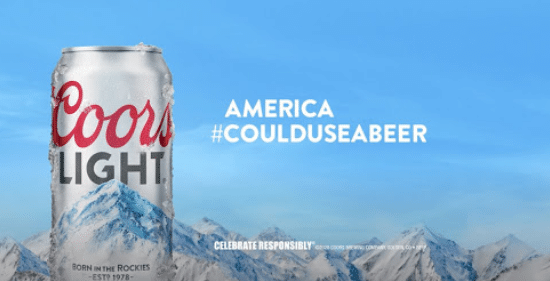
6. Coors Light #CouldUseABeer giveaway
Coors Light’s #CouldUseABeer campaign deployed the giveaway method. The light beer brand promised a free six-pack to anyone who tweeted the #CouldUseABeer hashtag for a limited time.
The campaign was conceived after the brand gave away 150 beers for free to a locked-down 93-year-old woman who had posted a request for beer on her whiteboard and held it to the window during the start of the Covid pandemic. Inspired by the community response, Coors decided to give away 500,000 more cold beers.
Customers love free value. They are also compelled to act when the value is available for a limited time. Coors leveraged both aspects to create one of the most successful social media campaigns in the recent past.
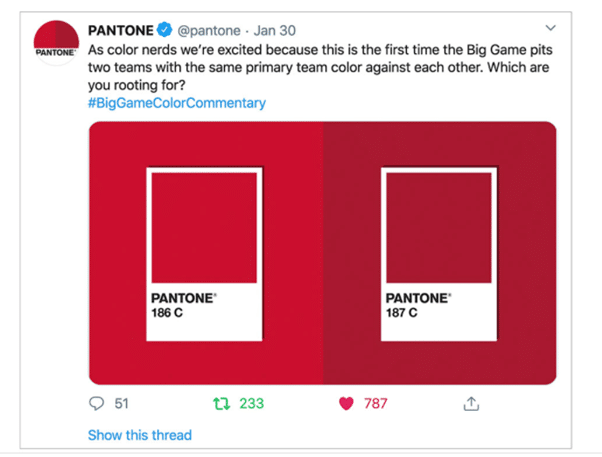
7. Pantone’s Super Bowl color commentary
What does a color company have to do with football? Absolutely nothing, which is exactly why Pantone’s Super Bowl campaign was brilliant.
Pantone partnered with ad agency Huge Inc. to come up with the unique and exciting concept of “replacing subjects with a PANTONE color code in their Big Game Color Commentary tweets.” It capitalized on the fact that the two teams playing that day, the Kansas City Chiefs and Tampa Bay Buccaneers, wear very similar shades of red.
During the game, Pantone live-tweeted their take on the action, complete with color codes for team jerseys, referees’ flags, and even popular big game snacks like burgers and seven-layer dip.
A great example of connecting a product to a trending topic. In the process, Pantone generated brand awareness among fans well outside their typical audience.
8. Getty Museum’s at-home art challenge
When the Los Angeles-based J. Paul Getty Museum had to shut down because of COVID-19, it still found a way to be relevant on Twitter. The Getty Museum challenged followers to recreate works of art with objects and people from their home.
The challenge caught on quickly. It resonated with locked-down followers who wanted to do something different and get the opportunity to share their creations on social media.
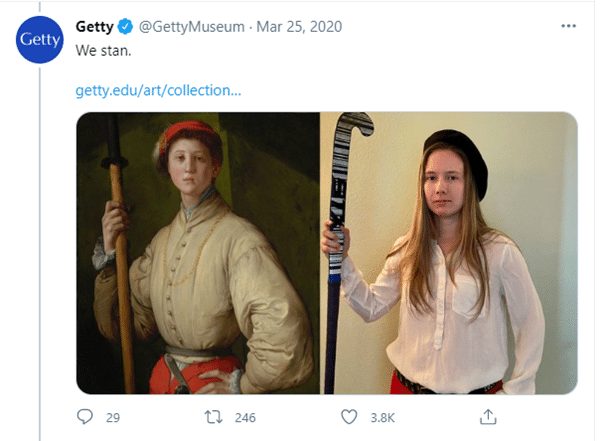
Thousands of users uploaded their images to Twitter, and the Getty Museum challenge has been immortalized online ever since.
9. Disney’s #ShareYourEars
To coincide with 90 years of Mickey Mouse, as well as to support the Make-A-Wish foundation for the third year running, Disney launched their #ShareYourEars campaign in 2018. Visitors to Disney stores could decorate a pair of Mickey Mouse paper ears and post a picture of them wearing the ears with the hashtag #ShareYourEars. Others could post their favorite pair of Mickey Mouse ears from the Disney parks, or any “creative ears” that resembled Mickey’s, to join the campaign.
Disney would then donate $5 for every post to the Make-A-Wish Foundation. This campaign is another example of how tugging at the heartstrings for a good cause can move and engage audiences to want to connect with the brand.
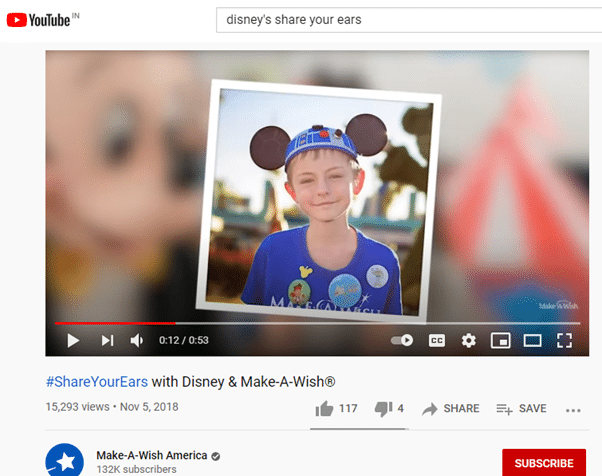
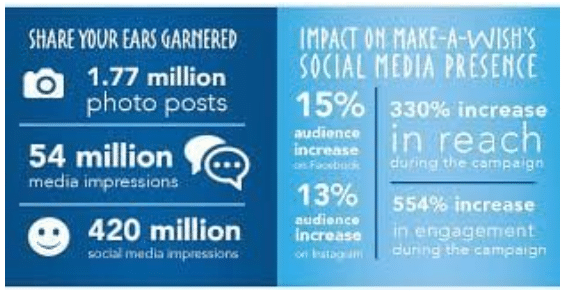
According to a case study carried out by students at the Penn State University, these were the outstanding results: 1.77 million posts and 420 million social impressions for Disney, with a 330% increase in reach and 554% increase in engagement for Make-A-Wish.
10. Dove’s Project #ShowUs
Dove’s Project #ShowUs campaign is a collaborative project carried out in association with Getty Images and Girl Gaze. The concept is a library of female-identifying and non-binary individuals, raw and unfiltered, from 200 photographers across 41 countries. As of now, the library has more than 14,000 photos, and more continue to be added regularly. The images can be licensed out for creative projects.
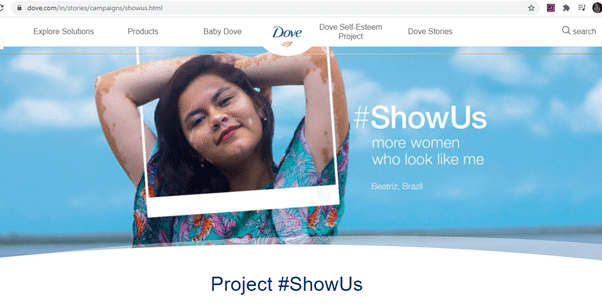
The campaign has had a far-reaching impact globally since its launch by leveraging UGC (user-generated content). A few of the many impressive milestones it has achieved:
- 900+ companies in 40 countries have downloaded images from the collection
- 100% positive sentiment.
- 62% of women believe #ShowUs images better represent how most women in their country look.
- 66% say they’re more likely to use/purchase brands that use #ShowUs images.
11. Spotify Wrapped
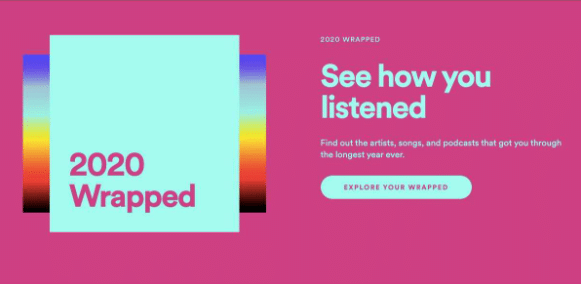
Spotify turned what could have been a boring year-end data report into a highly anticipated annual event. Every year, Spotify creates a personalized ‘Wrapped’ for its users — a list of their most streamed music and podcasts for the year, presented in eye-popping color graphics optimized for sharing on social media.
Having your own personalized list generated at the end of every year is like getting a Christmas present. And the shareable graphics mean no-cost organic and word-of-mouth advertising for Spotify.
The Spotify Wrapped product led to an increase in downloads of Spotify’s mobile apps by 21% in the first week of December alone.
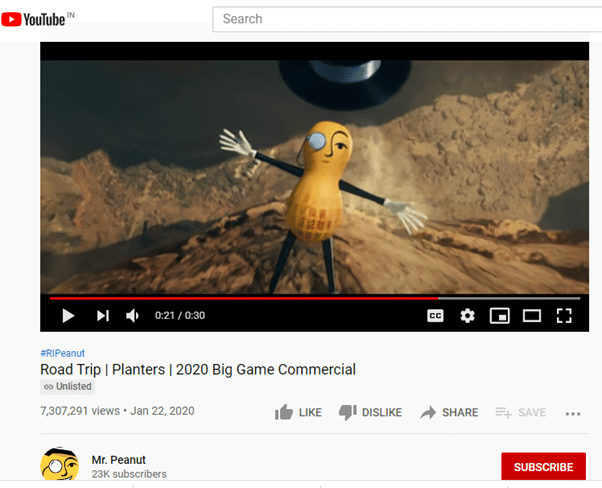
12. Planters kills Mr. Peanut (#RIPeanut)
When Planters killed off their 104-year-old mascot Mr. Peanut, it seemed bizarre. But by creating an emotional storyline where he sacrificed himself to save his friends, they tapped into the same emotional response people have to fictional characters. The idea came from the tremendous fan reaction to the death of Marvel character Iron Man.
The death of Mr. Peanut generated considerable buzz on social media, even spawning a slew of memes. The Mr. Peanut Twitter account gained 24,000 followers following the death announcement, a jump of 45%. Within a day, the video also received 1.5 million views on YouTube.
13. Gillette’s “The Best Men Can Be” campaign
Gillette’s cause marketing campaign was geared towards promoting positive behaviors in men. It showed how the best men don’t bully or harass others, and are careful with what they say.
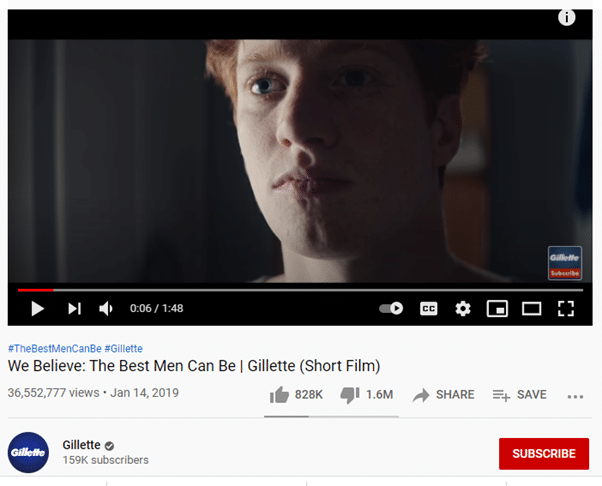
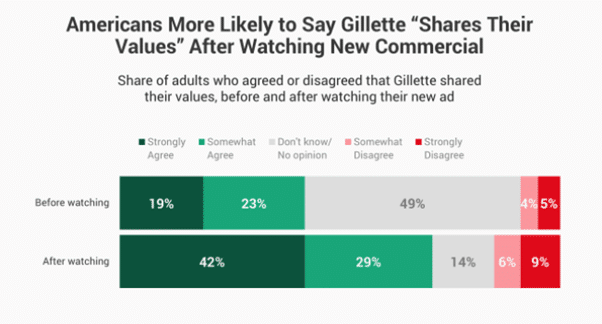
The campaign was not without controversy. While it received applause for calling on men to be more, some felt it belittled masculinity. Regardless, the campaign made an impact. The video has had over 58 million views online, and based on a survey by Morning Consult, after watching the ad, 42% of adults agreed Gillette shared their values — a 23% jump compared to before watching the ad.
14. Starbucks Tweet-a-Coffee
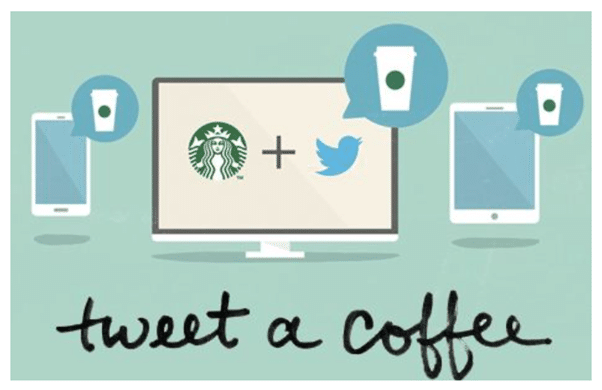
Starbucks’ Tweet-a-Coffee campaign of 2013 was all about giving. Tweet the handle of your gift recipient to the Starbucks Tweet-a-Coffee Twitter account and the recipient gets a $5 digital e-gift to redeem at any Starbucks store.
This campaign worked because it encouraged kindness and spontaneous gift-giving. Users needed accounts on both Starbucks and Twitter to take advantage of the offer.
The results:
- Over $180,000 was spent as of Dec 2013, with users buying almost 37,000 gift cards
- More than 27,000 unique users bought gift cards for friends, and 34% bought more than one gift card
- 32% of the gifts were bought on the first day
- Starbucks achieved a tie-in between the Twitter accounts + credit cards + mobile devices + their customer list, and they had it for 54,000 people, both gifters and recipients.
15. BuzzFeed’s Tasty
Tasty has built a cult-like following for it’s snackable bite-sized video recipes optimized for the Facebook viewing experience. Tasty’s videos are short, snappy, and visually attractive, showcasing the creation of the recipes in the most appealing manner possible.
This is one of the social media marketing examples where consistent high-quality content is the superstar. The key takeaway here is to produce audience-attracting content regularly so that you can build your audience, following, and engagement over the long term.
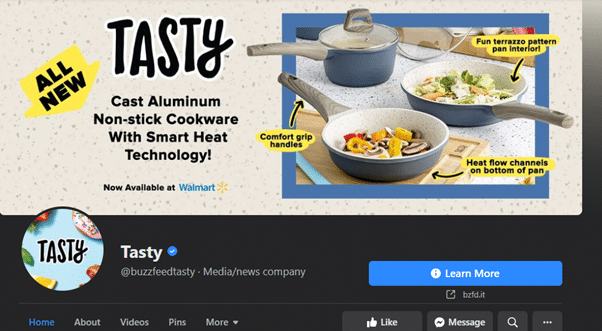
The brand has over 90 million likes, and over 105 million follows on Facebook with great engagement on all the recipe posts. The Instagram account has over 39 million followers. The brand has also branched into branded cookware as of 2018.
16. P&G’s #DistanceDance on TikTok
Global consumer giant Procter and Gamble (P&G for short) tied up with TikTok mega-influencer Charli D’Amelio (over 50 million fans) to create a dance challenge video to raise awareness of and encourage social distancing.
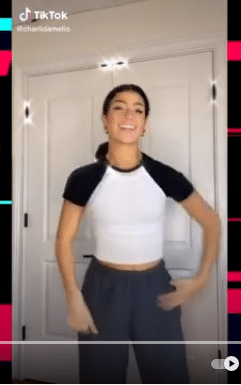
Partnering with an influencer who has a strong following is a strategy that many brands use to leverage a partner’s existing fanbase. P&G also chose TikTok to push its campaign because the platform is ideal for short-form mobile videos that are both educational and fun.
The campaign reportedly resulted in over 8 billion views in the very first week of launching and currently has over 16 billion hashtag views.
17. WWF’s Endangered Emoji campaign
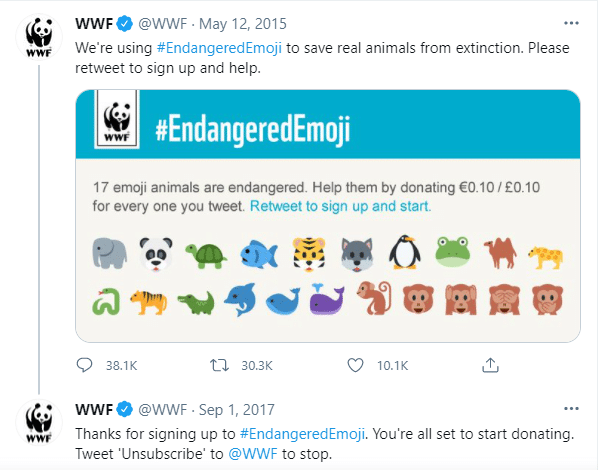
In 2015, the World Wildlife Fund (WWF) launched a 3-day campaign to highlight the cause of endangered species, talk about issues like deforestation, and encourage donations. The creative ad used emojis of 17 endangered species and encouraged retweeting, with the promise of converting retweets to a specific donation amount.
The marketing team behind the campaign wanted to engage audiences through a language everyone could relate to. At the last count, the ad generated in excess of 38K comments, 30K retweets, and 10K reactions.
18. Know Your Lemons breast cancer campaign
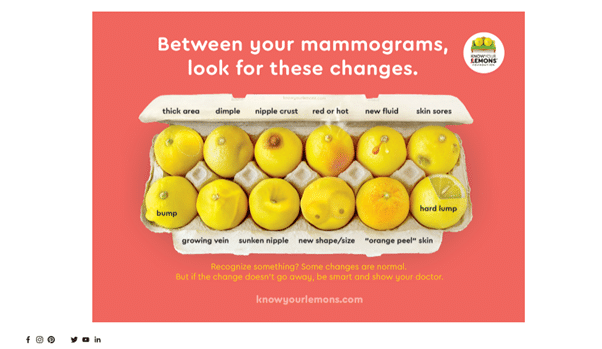
Creating awareness for a potentially life-threatening illness is not easy, but the Know Your Lemons Foundation (formerly known as Worldwide Breast Cancer) has set a precedent in how we can promote discussion on public health topics in an engaging way.
The campaign, the brainchild of founder Dr. Corrine Ellsworth-Beaumont MFA, Ph.D, was created with the intent of teaching about the symptoms of breast cancer and the process for detection. It’s a brilliant reworking of a common euphemism for breasts — it takes away the fear, but also educates how to perform a breast self-exam in a friendly manner. At the last count, according to the foundation’s website, the campaign has already reached 1 billion people.
19. Always #LikeAGirl
The #LikeAGirl campaign was about challenging stereotypes around the negative usage of the phrase “like a girl,” as in, “you throw like a girl,” or “you run like a girl.”
The phrase is so ingrained in our culture and so much a part of everyday parlance, that this video did wonders to encourage social change around why doing anything like a girl is nothing to be ashamed of.
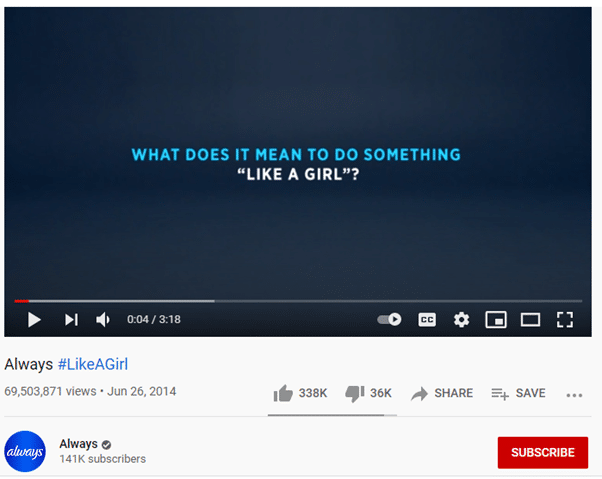
While the campaign was launched in 2014, as of it today, the video on YouTube has received 69 million views, over 40K comments, and over 300K engagements. D&AD reported a change in perception with 76% of viewers post-video, and also that 2 out of 3 men post-viewing the ad, said they would “now think twice before using “like a girl” as an insult.”
20. Visit Norway’s #SheepWithAView
When Norway wanted to promote tourism, it took a rather unconventional route. It fitted sheep from 4 different areas in Norway with cameras so that we could get insights into the beautiful country through their eyes. The campaign, pushed through Instagram and Facebook, tied in neatly with Norwegian culture that allowed both people and animals to roam free with nature.
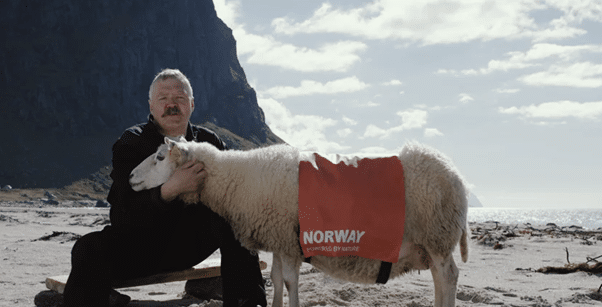
The sheep ambassadors, Lars, Frida, Erika, and Kari, received worldwide recognition and a lot of brand appreciation from followers, besides contributing their bit to promote visits to Norway.
The campaign reportedly achieved a reach of 6 million in the UK alone within the first 2 months, over 849K views, 84K engagements, and 14.3K Instagram follows. Campaign sentiment was recorded at 98.8% positive.
21. Burberry Cat Lashes on Pinterest
Declining sales meant that Burberry had to look for innovative ways to market their new product, Cat Lashes mascara. They turned to Pinterest in partnership with Sephora, hoping to tap into its huge market of users. The concept they came up with was to create personalized boards for its users, where they could upload and save pictures of them doing product tutorials and offering tips.
Each pin would then get advertised as a promoted pin that would redirect viewers to where they could purchase the Cat Lashes product.
The results were simply staggering. More than 30,000 personalized boards were created, generating over 1 million pins. The 5000 samples offered as incentives for pinners were lapped up within the first 5 days of the campaign.
What the best social campaigns have in common
Across all 21 campaigns, a few patterns show up again and again:
- They gave people something to do, not just something to look at. Challenges, giveaways, mysteries, and shareable formats outperformed polished ads every time.
- They felt human. Whether it was Wendy’s roasting fans or a 93-year-old woman holding a beer sign to her window, the campaigns that spread were the ones that didn’t feel like marketing.
- They moved fast. OREO’s Super Bowl tweet, Popeyes’ Chick-fil-A response — the best moments came from teams empowered to act without layers of approval.
- They tapped into something people already cared about. Cultural moments, causes, nostalgia. None of these campaigns invented interest from scratch. They channeled what was already there.
Wrap-up
Every campaign on this list earned attention instead of buying it. The formats are different — tweets, challenges, dances, giveaways — but the pattern is the same: give people something they actually want to share.
That’s also the principle behind word-of-mouth marketing at any scale. Viral social campaigns are one way to spark it. Customer referral programs are another — less flashy, more consistent, and designed to keep word of mouth flowing long after a single post fades.
Looking for more ways to tap into the power of social media and increase word of mouth? Check out these resources:

About the author
Guest writer
Irene Lopez is a freelance writer and content strategist who creates strategically crafted content that helps businesses build a strong presence online. For Referral Rock, Irene has written guides on employee referral programs, affiliate and partner programs, brand ambassadors, and the software behind them.
![Social Media Lead Generation: Is it Worth the Time? [204 Experts Help You Maximize Your Investment]](https://cdn.sanity.io/images/x9q04aql/production/587dd6bfd81025f52410cb6081aa01f2b12219e6-900x600.jpg?w=400&auto=format)