A referral program has a lot of moving parts: promotion, enrollment, tracking, rewards, communication. Without automation, these become manual tasks that pile up and eventually get dropped. That’s how programs stall.
Referral program automation uses software to handle these routine jobs so the program runs continuously alongside your business. The goal isn’t just efficiency. It’s making your referral program operational, something that keeps rolling without constant manual effort.
Here’s what to automate and how to set it up.
What to automate in your referral program
Every referral program has core jobs that repeat: getting the word out, bringing people in, tracking what happens, staying in touch, and fulfilling rewards. These are the areas where automation makes the biggest difference. The specifics depend on your business, but the categories are universal.
No matter how your referral program runs, whether you have referral rewards tiers or a simpler flat incentive, here are the five areas to automate.
1. Program promotion
Most businesses promote their referral program like a campaign. They send a launch email, post on social media, and hope for a spike. Then it fades. The problem isn’t the tactics. It’s the approach. Referral promotion should be continuous, built into how your business operates day to day.
Think of it in three categories:
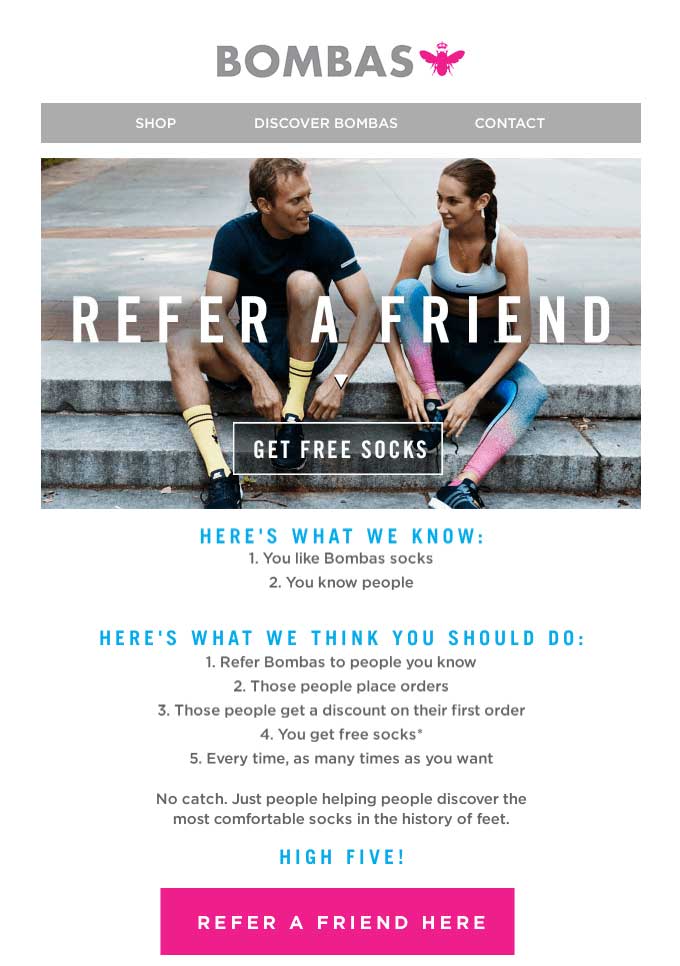
Proactive invites. Use referral software (and your email service provider) to send a dedicated email after a purchase or signup. You can also automate promoting your referral program through SMS or scheduled social media posts. The key is that these happen automatically as part of your workflow, not as a one-off campaign.
Discovery paths. Make the program findable everywhere customers already look: your website, their mobile app, email signatures, receipts, and confirmation pages. Automated pop-ups on your site can surface the program at the right moment. These aren’t pushy promotions. They’re paths that let interested customers find the program on their own.
Program recruiters. Your sales and service team members can each have their own invite links, making referral promotion a team effort instead of a marketing-only job. When the person who just delivered a great experience can share the program directly, the ask is natural.
The point is consistency. A contact list goes stale in 2-3 months. Continuous promotion means new customers are always learning about the program, and existing members are reminded through normal business touchpoints, not one-off blasts.
2. Member enrollment
Here’s where most programs add unnecessary friction. They make customers sign up, fill out a form, or take an extra step to join. Every hoop you add reduces the number of people in your program.
The better approach: everyone is already a member. With the right referral software, you can automatically enroll customers as soon as they buy, sign up, or take another qualifying action. No extra step on their end. They’re in.
Referral Rock software lets you automatically enroll customers into your program, with no sign-up needed on their end. Ways to automate enrollment:
- After a purchase or signup: Add customers to your referral program automatically when they complete a purchase or sign up for a free trial.
- After opting into an email list: Integrate with your email service provider (ESP) to add customers when they join a newsletter list.
- After a form is completed: If people are already signing up for a webinar or filling out a survey, use the submit action as a trigger to add them as a member.
You can also import a list of existing customer contacts directly into your program. Give everyone a link or code by default. You don’t know who your biggest promoters will be, and gating access means you might never find out.
3. Referral tracking and data sync
Accurate customer and referral records are the backbone of any referral program. Manually updating every new piece of information across platforms is tedious and error-prone. Automation handles the sync so your data stays consistent without you lifting a finger.
Referral tracking automation typically works by adding a conversion pixel or by integrating referral software with your existing tools, like your CRM or email marketing platform. This way, tracking referrals and sales happens in the background. Here’s what to automate:
- Track where customers join the program (landing page, email, etc.)
- Track the channels used to refer others (referral links, social media, email, etc.)
- Update total referrals per customer based on triggers or events
- Update total rewards earned
- Create new contacts in your CRM for every referred customer
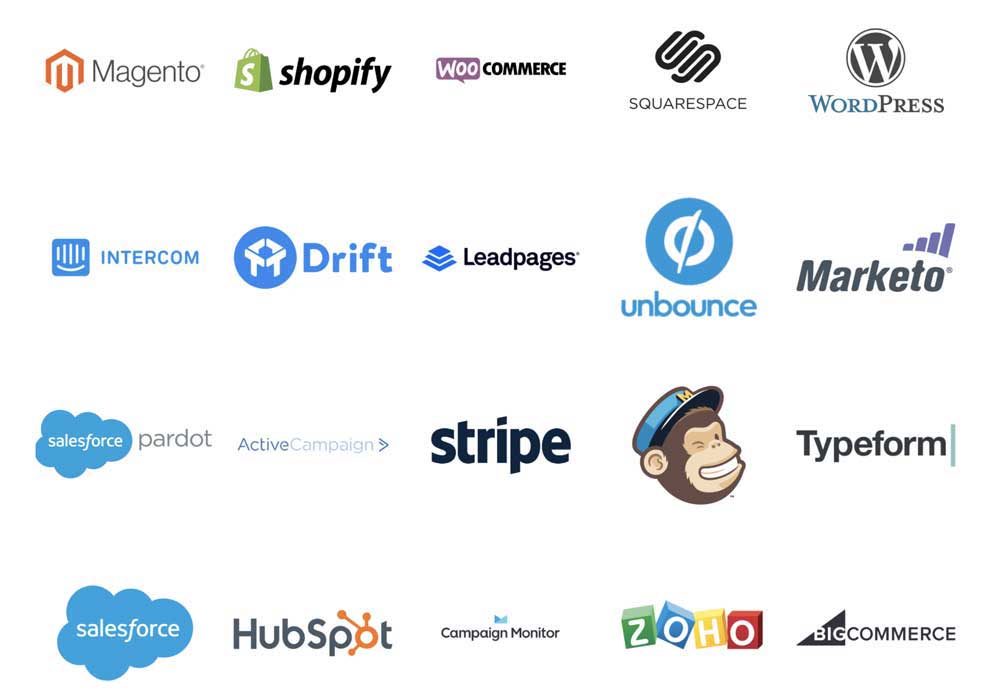
Track every referral as they move through the journey to become a customer. Set an automation to simultaneously add every referral as a new lead or contact in your CRM. As the referral converts, their record updates automatically, and a reward gets sent to the customer who referred them. With sales or CRM integrations, this all happens without manual data entry.
4. Member communication
People are busy. Your referral program can get forgotten if you don’t stay in touch. But manually reaching out to every member isn’t realistic. That’s what automated communication handles.
If a member hasn’t been active for a while, trigger a reminder email or notification. You can also schedule a message that goes out to all members on a regular cadence with their current referral status and rewards earned. A friendly reminder on occasion keeps the program top of mind without being spammy.
Use your email service provider to send a message to members who haven’t been active in a set period. Or if a member hasn’t logged into their account or a member portal for a while, trigger a popup notification reminding them of the program. Highlighting the reward, like a discount on their next purchase, can prompt them to refer and redeem right away.
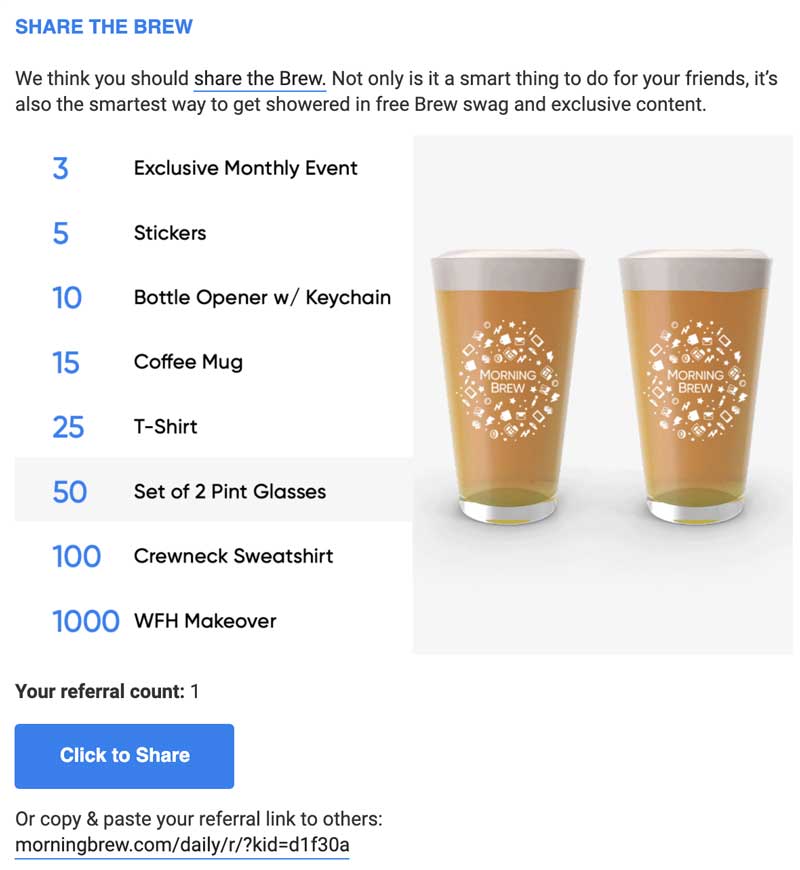
5. Reward fulfillment
Most referral programs issue rewards, and that means more than adding data to a spreadsheet. You have to track and fulfill rewards too. Doing this manually gets time-consuming fast.
One thing worth considering as you set up reward automation: how the reward is framed matters. Instead of focusing only on what the referrer earns, think about what the friend gets.
When the reward feels like a gift the sharer is giving their friend (a discount, a free month, a bonus), the referral feels generous instead of transactional. That framing makes people more willing to share. So, be sure to set up and automate two rewards: one for the friend, and one for the person doing the sharing
Ways to automate reward fulfillment:
- Issue rewards in real-time (to both the sharer and friend!) after a successful referral
- Issue rewards on a schedule, for example after a waiting or verification period
- Batch rewards together to send in bulk on a specific date
- Integrate with a tool that sends digital rewards for you
- Track coupon usage through unique codes
- Send a catalog reward link so members can choose their reward
Referral Rock software can automate all sorts of referral rewards systems, including tiered and multi-step rewards. For B2B businesses with longer sales cycles, you can trigger rewards at different stages, like when a referral becomes “Closed Won” in your CRM.
Choosing referral program automation software
There are many referral program solutions to help you manage the entire process. When evaluating your options, look for a solution that:
- Integrates with your existing workflow and software stack. Your referral platform should connect with your CRM, email tools, e-commerce platform, and other systems you already use. Check the integrations page for any tool you’re considering. Foundational workflow automation tools like Zapier can extend these connections further.
- Automates the full program lifecycle. Promotion, enrollment, tracking, communication, and rewards should all be handled, not just one or two pieces.
- Includes reporting and dashboards. You need a clear view of program performance: who’s referring, what’s converting, and where referrals are coming from.
- Handles multi-step sales processes (if applicable). Multi-step sales processes are common for B2Bs, where you might want to reward customers for bringing in both leads and closed deals. If that’s your business, make sure the tool supports it.
- Offers onboarding support. A dedicated onboarding specialist makes a big difference when setting up automations for the first time.
Beyond features, you want something that’s easy to use and can evolve as your program grows. That makes it easier for your team and gives a seamless experience for your customers and their friends.
Referral Rock offers flexible plans that scale with your program. Start building your program for free.
Final thoughts on referral marketing automation
The point of automating your referral program isn’t just saving time. It’s turning your program into something that runs continuously alongside your business, instead of something that needs constant manual attention.
When promotion, enrollment, tracking, communication, and rewards all happen automatically, referrals keep rolling without you having to push them. The program becomes part of how your business operates, not a side project that gets attention when someone remembers.
A dedicated referral software tool, like Referral Rock, handles the routine steps and integrates into your existing workflow. That lets you focus on what actually drives referrals: giving your customers a great experience worth talking about.