Influencer referral programs sit in a confusing middle. Part influencer marketing, part affiliate, part customer referral. The setup is straightforward: you give a creator a unique referral link, they promote you to their audience, and the link tracks the sales they drive. But the strategy underneath it is easy to get wrong. Most articles treat it like a campaign instead of an operation.
This guide covers what an influencer referral program actually is (and isn’t), how to choose creators who’ll move the needle, how to frame their messaging so it converts, and how to plug them into a customer referral program so the momentum keeps rolling after the campaign ends.
What is an influencer referral program?
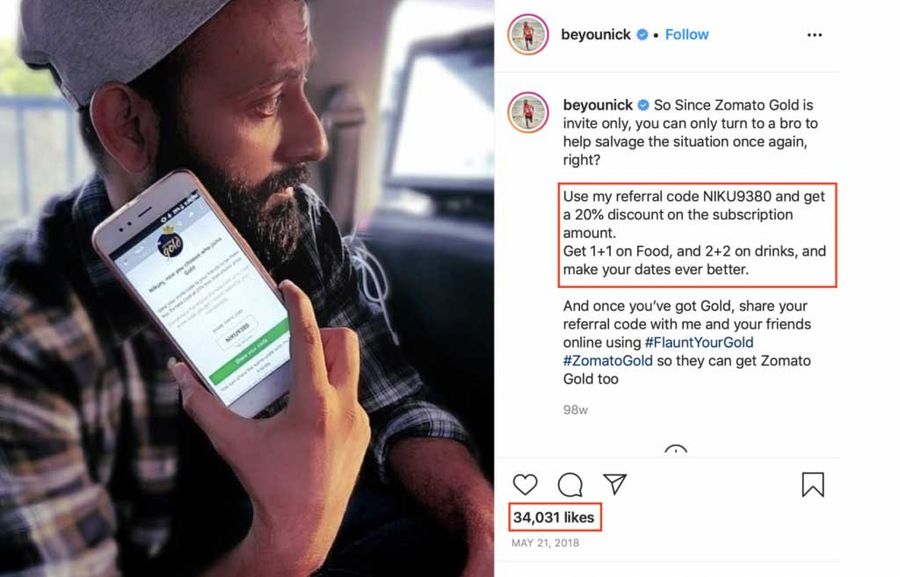
An influencer referral program is a marketing strategy where you hire existing creators to promote your brand, then track the sales they drive through a unique referral link.
You give each creator a link tied to their identity. They share it with their audience. Every time someone clicks the link and makes a purchase, the creator earns a commission or other reward. The link does the attribution work: every sale ties back to a specific creator, so you know who’s actually driving results.
The mechanics come from referral marketing. The model, paying creators for reach and conversions, is closer to affiliate. The creator’s relationship with their audience is what makes it work.
Influencer referral vs. influencer marketing vs. affiliate
Three terms get used interchangeably and shouldn’t be. The differences shape how you set the program up, how you pay, and what to expect from it.
| Type | Who shares | Compensation | Tracking |
|---|---|---|---|
| Influencer marketing | Creators with audiences | Flat fee for posts (sometimes plus performance) | Reach and engagement; sales attribution is hard |
| Affiliate program | Anyone who applies and is approved | Commission on sales only | Referral link, full sales attribution |
| Influencer referral program | Curated creators | Commission on sales, sometimes plus a base | Referral link, full sales attribution |
| Customer referral program | Existing customers | Reward for the sharer, gift for the friend | Referral link, full sales attribution |
An influencer referral program borrows the creator-and-audience dynamic from influencer marketing and the trackable, pay-for-performance model from affiliate. It’s a hybrid, and most of the strategic mistakes people make come from treating it like only one of the two.
The other distinction worth holding onto: an influencer referral program is not a customer referral program. Influencers are paid promoters with audiences. Customers are existing buyers with relationships. Both can drive sales through referral links, but the messaging, the rewards, and the cadence are different. A good operator runs both and connects them.
Benefits of influencer referral programs
A few reasons this model works when the alternatives don’t:
Trust transfers from the creator. 92% of customers trust recommendations from people they follow more than ads from brands. A creator’s endorsement carries weight an ad can’t buy. The referral link captures that trust as it converts.
You only pay for results. Standard influencer marketing pays for reach. You cut a check whether anyone buys or not. With a referral link, you pay on sales. The risk profile is closer to affiliate than to traditional sponsored content.
Attribution is solved. Tracking sales from a regular influencer post is guesswork. Promo codes drift, click data is fragmented, and you end up debating which post drove which sale. A unique referral link per creator removes the debate. You know exactly who drove what.
Referred customers stay longer. Customers who arrive through a recommendation tend to retain better and have higher lifetime value than customers from cold acquisition. The trust signal that brought them in carries forward.
Creators can become recruiters into your customer program. This is the underused part: an influencer’s audience can be invited into your customer referral marketing program after they buy. The influencer kicks off the loop, and your customer program keeps it rolling.
How to choose the right influencers
The default instinct is to chase follower counts. It’s almost always wrong. Three things matter more.
Audience fit. The creator’s audience needs to overlap with your target customer. Niche, platform, demographics, intent. All of it has to line up. A health-and-wellness creator promoting a SaaS tool is a mismatch no matter how many followers they have. Match the creator to the audience you’re trying to reach.
Engagement over reach. Smaller creators (nano-influencer or a micro-influencer) consistently outperform celebrities on conversion. They have higher comment and share rates, their recommendations feel like a friend talking, and their audiences haven’t been desensitized by a constant stream of sponsored posts. 79% of marketers prefer smaller creators for exactly this reason. When a celebrity posts about a product, the audience reads “ad.” When a micro-influencer posts the same thing, the audience reads “recommendation.”
Familiarity with your brand. Creators who already use your product (or who genuinely fit the value you deliver) sell it better. The endorsement is real instead of performed. Their audience can tell the difference, and so can the algorithm.
Tone and voice matter too. The creator’s style should be one your audience would recognize as adjacent to your brand. But fit, engagement, and familiarity are the three to filter on first.
How to run an influencer referral program
There are five operational pieces involved in influencer referrals. The first piece is a system; the other four are how you use it.
Track everything with referral software
A traditional influencer software platform tracks reach and engagement. It doesn’t handle referral link distribution, tracking, or reward fulfillment. For a referral program, you need referral software that does the operational work: generates a unique referral link per creator, tracks clicks and conversions in real time, attributes sales correctly, and triggers commission payouts automatically.
The software also handles the ongoing operational layer. Automated reminders nudge creators to share. Reporting shows you who’s actually performing versus who’s just collecting links. CRM and ecommerce integrations push referral data into the tools you already run the business out of, so the program isn’t a separate spreadsheet.
This is the part that scales. Once the system is running, adding a new creator is a few clicks, not a project.
Account for the friend factor in creator messaging
The default reward conversation is one-sided. “Pay the creator, give them a commission, send them perks.” That covers what they get, but it ignores the more important question. What does their audience get?
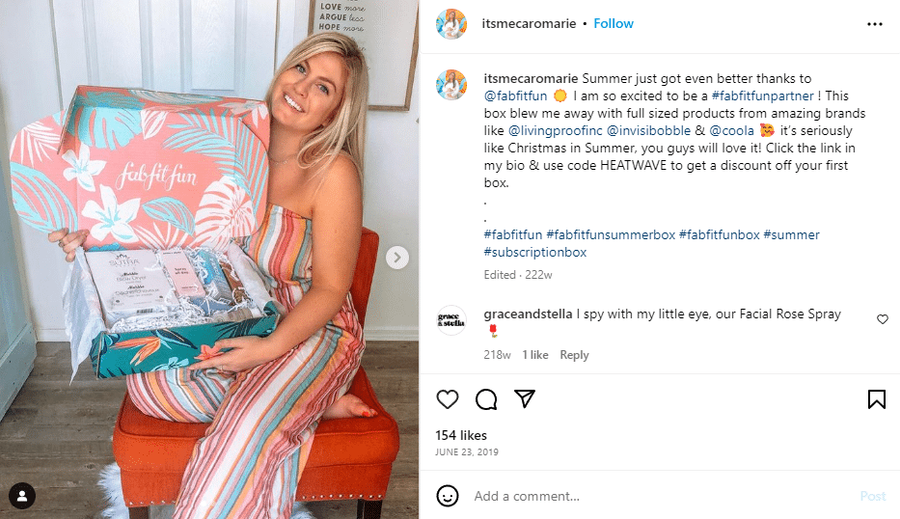
Make the program reward two-sided. The creator gets paid for sales. Their audience gets something too: a discount, a free product, exclusive access, a real reason to convert. This is the part that turns the post from an ad into a referral.
The framing matters more than the dollar amount. When a creator’s message centers on what their audience receives (“here’s a gift for you”), the click feels like the creator is doing their followers a favor. When it centers on the creator’s commission (“I get paid when you use my code”), the same click feels like the creator is selling out. Same mechanics, different conversion rate.
The rule: the audience-facing message contains the audience’s reward. The creator’s commission stays in their dashboard, their thank-you email, and their reporting. Even one line about what the creator earns (“they get $50 when you sign up”) pulls the audience out of “I’m getting a gift” mode and into “they get paid for this.” The friend’s reward is the headline. The sharer’s reward stays in the dashboard.
We call this the Friend Factor. It applies whether the sharer is a customer, an employee, or a creator. The dynamic doesn’t change with who’s in the sharer seat.
Train creators on the message, not just the product
Most “influencer training” is product training. Features, USPs, what the thing does. That’s necessary but not enough.
Train them on three things:
- The product. What it does, who it’s for, what makes it different. Standard.
- What to say (and not say). The claims they can make, the language to avoid, the regulated bits if you’re in a regulated space.
- The message frame. How to talk about it as a gift to their audience rather than a transaction. This is the Friend Factor in practice. The creator’s audience-facing message should center on the audience’s reward and the value, not on the creator’s commission.
The third one is where most programs leak conversions. A great creator with a transactional script underperforms a decent creator with a gift-framed one.
Build a brief. Keep it short. Show them examples of posts that worked and posts that didn’t. Then trust them with their voice. That’s what you’re paying for.
Decide how creators will share: as referrers or recruiters
There are two ways a creator can share, and they pull different levers.
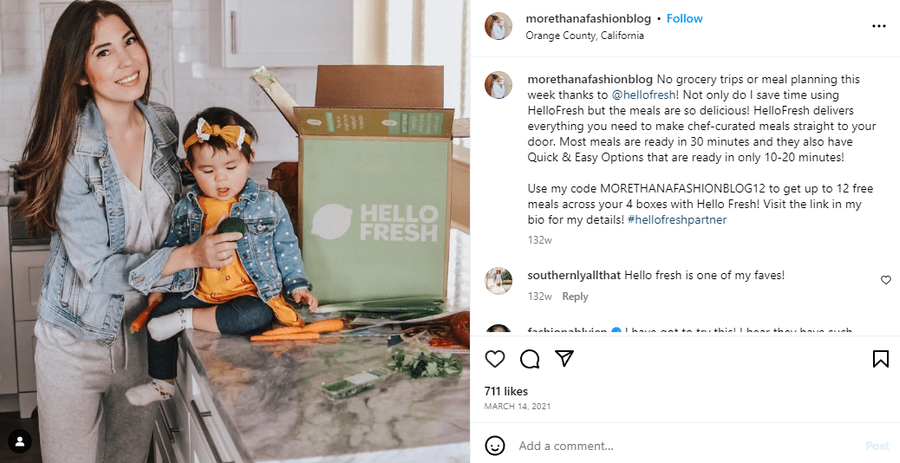
As a referrer (direct). The creator promotes your offer, drops their referral link, and asks their audience to convert. The audience clicks, buys, and the creator earns a commission. This is the standard pattern. The creator is acting as a sharer themselves, the same way an enthusiastic customer would.
As a recruiter (into your customer referral program). The creator promotes your customer referral program itself. They tell their audience that anyone who joins can earn rewards for referring their own friends and family. New customers come in and sign up to refer others. The creator is now acting as a top-of-funnel recruiter for your broader program.
The recruiter pattern is the underused one. It compounds. Every audience member who converts becomes a potential sharer in their own right. The creator’s reach turns into a permanent expansion of your customer referral base, not just a one-time spike. For some businesses, treating creators as a way to seed external referrals into the customer program produces more sustained growth than treating them as referrers.
You don’t have to pick. The same creator can do both: promote a current offer with their link, and mention that buyers can join the customer program after they sign up. Choose the emphasis based on what you’re trying to grow.
Don’t stop at influencers. Keep the program rolling.
Influencers are a channel, not the program. A flight of creator posts is a campaign. It spikes and fades. The program is the operational layer underneath that keeps capturing word of mouth long after the creator’s post is buried in the feed.
Keep the customer referral program promoted in places that don’t depend on creators:
- On your website (homepage, footer, account dashboard)
- After every customer experience (post-purchase emails, receipts, shipping confirmations, service follow-ups)
- In ongoing communication (email newsletters, business cards, email signatures)
- Through your account managers and service team. They’re already in the kinds of conversations where a referral request fits naturally.
A creator gives you a burst. The continuous promotion underneath is what keeps the burst from being the whole program.
One more thing. If your customer referral program isn’t already getting referrals from existing customers, adding influencers won’t fix that. The creator amplifies whatever’s already working. If your customers aren’t talking about you, ask why before you spend on creators to do it for them.
Conclusion
An influencer referral program is one operational lever, not a magic spike. It works when the creator’s audience trusts them, the messaging is framed as a gift to that audience, the link is tracked properly, and the program connects into a customer referral program that keeps capturing word of mouth after the creator’s post fades.
The mistake most operators make is treating it like a campaign. Pay the creator, watch the spike, move on. The operators who actually grow this way treat it as part of an ongoing system: creators feed the customer referral program, the customer program turns first-time buyers into long-term sharers, and the whole thing rolls.
If you want to run both, the influencer side and the customer referral side, you need software that handles them in one place. That’s what Referral Rock is built for.

About the author
Content Specialist & Referral Program Advisor
Jess has been with Referral Rock since 2019. She has been a critical part of our content team and has been responsible for writing, reviewing, and maintaining our content library as well as our product support documentation. She is meticulous in her research, writing, and review process. More recently she has helped review and draft referral program messaging for our customers. This has helped her create a unique feedback loop where she sees referral programs in action, helps launch them, and also contributes to our articles.