Fintech companies have a built-in advantage for referral programs: your users already send money, manage accounts, and share financial tools with people they trust. The relationship infrastructure is there. But most fintech referral programs still fizzle after launch because they’re treated like a marketing campaign instead of an ongoing operation. Here’s how to build a fintech referral program that actually keeps working, from rewards structure to promotion to the tools that make it run.
What is a fintech referral program?
A fintech referral program rewards existing users when they recommend your service to someone who becomes a new customer or lead. The new user often gets a reward too, giving them a reason to sign up. It works across banking apps, payment platforms, investment tools, lending services, blockchain/cryptocurrency services, and business financial management platforms like regulatory tech.
Why start a fintech referral program?
Fintech referral programs work by turning your existing users into a distribution channel. Instead of paying for ad placements upfront, you’re rewarding successful outcomes. Here’s why that matters:
- Faster, more reliable conversions. A recommendation from someone you trust is up to 50 times more effective at prompting action than a generic ad. In fintech, where trust is everything, this is especially powerful. People don’t hand their money to a platform a stranger recommended in a banner ad.
- Lower customer acquisition costs. Referral programs are pay-for-performance. You only pay out when someone converts. Fintech companies can further reduce costs by offering service-tied rewards like account credits or free upgrades instead of cash.
- Better retention. Referred users are 18% more likely to stay loyal compared to users acquired through other channels. For subscription-based fintech businesses, that retention compounds.
Fintech referral programs work well for all types of platforms:
- Mobile banking apps
- Mobile payment apps
- Stock trading services
- Blockchain/cryptocurrency services
- Business financial management platforms, such as regulatory tech
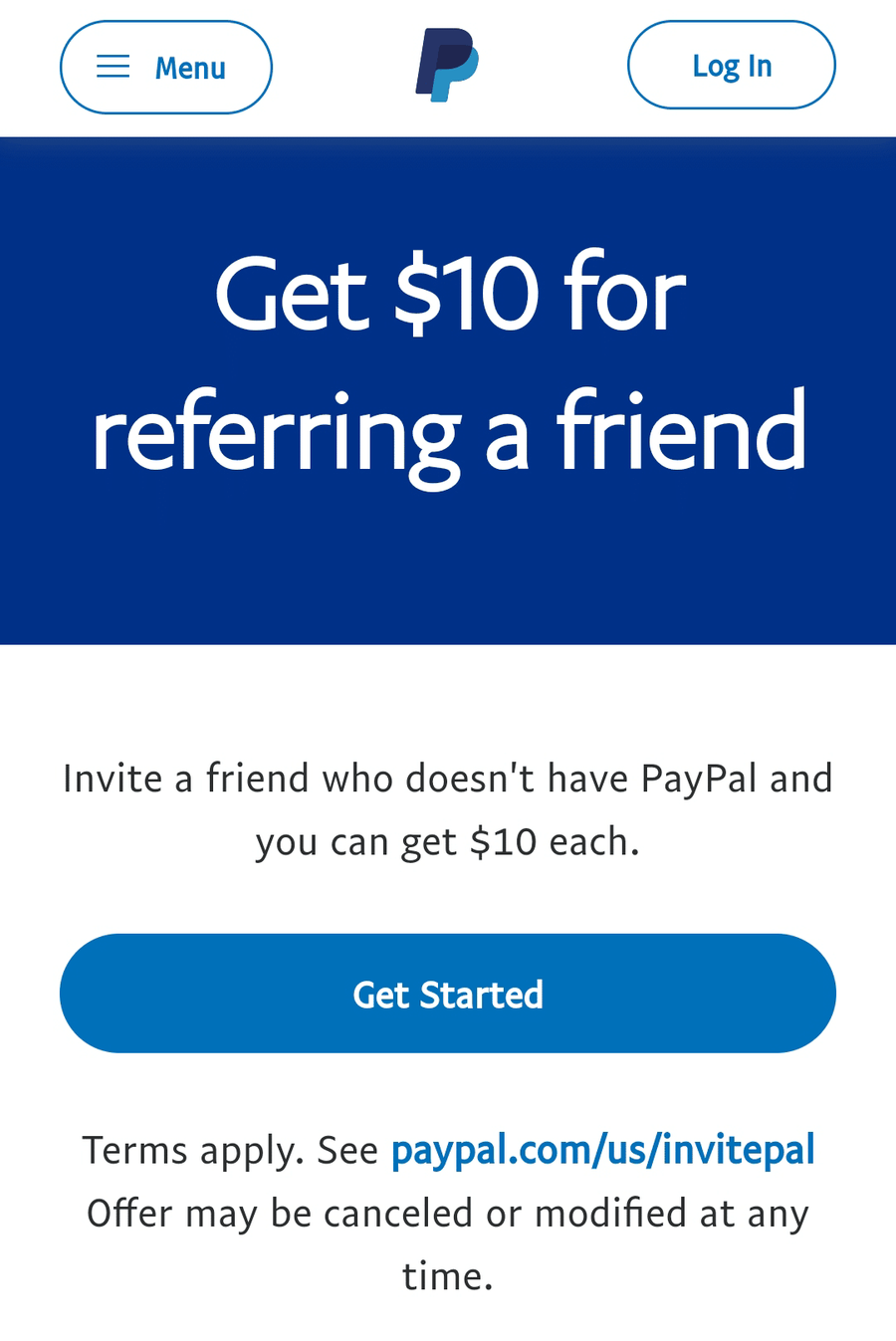
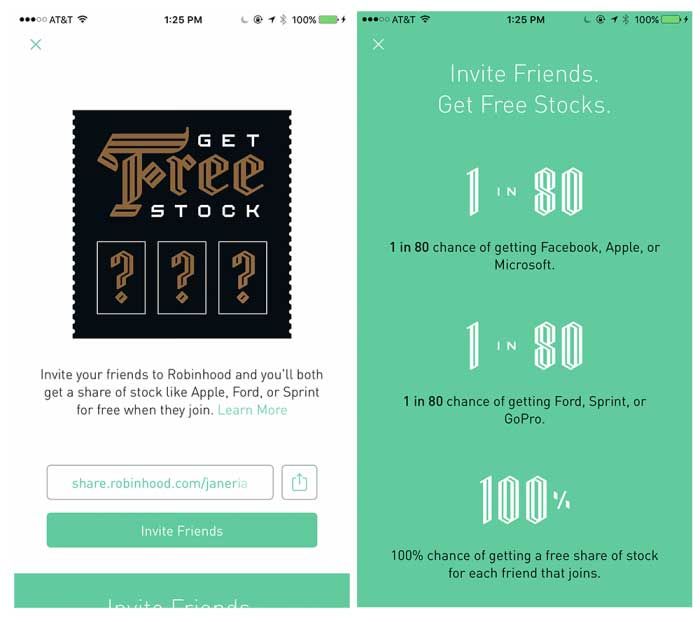
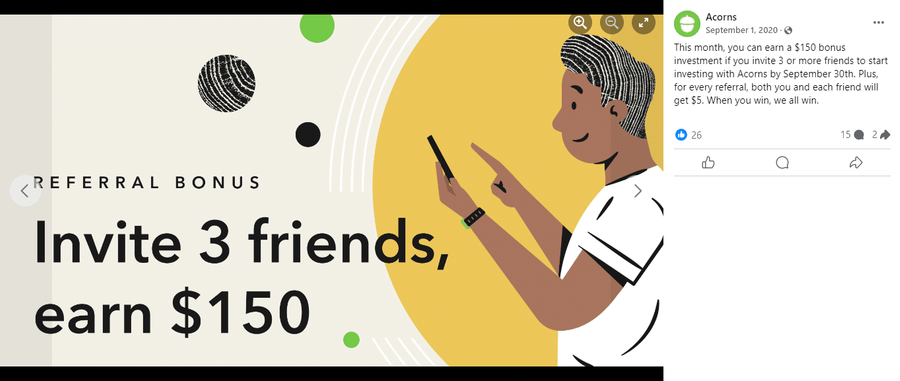
Standout programs from PayPal and Robinhood are proof that referral marketing can pay real dividends in fintech.
Referral software for fintech companies [Free Tools]
These referral tools for fintech companies are a free and easy way to help you start your referral program.
Want a automated referral system for your fintech business? Uncover referrals in plain sight to smooth out business lulls, without losing focus on your real day to day work helping customers.
Check out our referral program software - done right.
Is your fintech business ready for a referral program?
Before building a program, ask whether the foundation is in place. A referral program doesn’t create word-of-mouth marketing. It captures and amplifies what’s already there. If no one’s talking about you yet, a program won’t fix that.
Here’s what readiness actually looks like:
People are already referring you informally. Users leave five-star reviews, send positive feedback, post about you on social media, or recommend you to friends without being asked. That’s the signal. You have word of mouth worth capturing, but no system to make it easy, track it, or thank people for it.
Your service delivers consistently. A remarkable customer experience is the reason users refer you. If scheduling, onboarding, or support is inconsistent, fix that first. Referrals amplify your reputation, good or bad.
Your team can handle growth. Can your customer service team deliver the same quality experience to an influx of new users? The worst outcome is earning referrals and then disappointing the people who show up.
If those three things are true, you’re ready. If not, the upstream work (product, service, value) comes first.
How to build a fintech referral program
Follow these steps to create a high-quality fintech referral program that brings in more users:
Design rewards around the friend, not just the referrer
Most referral programs focus all the energy on what the referrer earns. “Refer a friend, get $20.” But that framing makes the sharer feel like they’re monetizing their relationships. People don’t want to feel like they’re selling out their friends. They want to feel like they’re doing them a favor.
Flip the focus. Frame the referral as a gift the sharer gives their friend. All messaging, from your program title to your emails to the offer itself, should center on what the friend gets. Done right, sharing feels like a give, not an ask.
What this looks like in practice:
- Use double-sided rewards. Reward both the referrer and the friend. When the friend gets something meaningful, the sharer isn’t “referring for cash.” They’re hooking their friend up.
- Lead with the friend’s reward in your messaging. “Give your friend $25 in free trades” hits differently than “Earn $25 for every referral.”
- Tie rewards to your service. Think cash back into an account, free stocks, subscription credits, or upgraded features. These feel more like gifts than payouts, and they connect the reward back to your product. An easy way to scale this is to pay out a percentage commission on the referred sale, tying the reward to the value of each customer.
- Gift cards work for B2B fintech. If your referrers aren’t the ones directly paying for your service, letting people pick a gift card from a menu of options gives them the freedom of choice.
- Make rewards cumulative. Let users accumulate rewards for each successful referral. Consider tiered structures where rewards increase as users refer more people (e.g., $20 for one, $100 for three, a high-value item for ten). This encourages ongoing sharing and is easy to gamify with progress trackers.
Use our referral reward calculator to determine how much to offer the sharer and their friend, for the best ROI.
For longer sales cycles, multi-step rewards work well: a smaller incentive when someone becomes a qualified lead, a larger reward when they convert to a paying user.
Whatever your structure, make sure rewards are fulfilled automatically. Don’t make users wait for their reward. If they’ve earned it, deliver it immediately.
Referral Rock is flexible enough to handle complex rewards, like tiers, bonuses, and multi-stepped structures. Set up the incentives that fit your business, then let our platform send the payouts automatically. Here’s more on how Referral Rock can help you optimize rewards >
Give every user access from day one
A common piece of advice is to open your referral program to VIPs first, then roll it out gradually. It sounds reasonable, but it kills programs before they start.
Here’s the problem: you never know who your most enthusiastic promoters will be. Your power users might not share at all. The user who signed up last week might tell 30 people. Gating access preemptively means you’ll never find out. Every hoop you add between “I want to refer someone” and “here’s my link” is a step where you lose people.
Instead of gating, give every user a referral code and link by default. No signup form. No join button. Everyone’s already in.
What about fraud and abuse? Prepare for it progressively, not preemptively. Use detection rules to flag exceptions after the fact rather than building walls upfront. The vast majority of your users have good intentions. Design for them, and handle the exceptions as they come.
Having an open referral program also sends a signal: your company is friendly, values its customers, and recognizes the reputation they put on the line when they recommend you to a friend. Whether people use the program or not, that openness helps your brand.
Make sharing effortless
You’re asking users to do you a favor by spreading the word. The more time and effort it takes to send a referral, the more likely they’ll bounce. The fewer steps, the better.
Build it into your app. Place a “refer friends” option in your menu or main screen. If your app already involves sending money to friends, that’s the perfect moment to surface a referral prompt. Ensure referring someone takes 1-2 clicks or taps.
Remove the login barrier. Using Referral Rock’s automated enrollment features and One Click Access links means users can start sharing immediately. They’re already enrolled, no signup form or password needed. Include these links in every email you send, not just referral-focused ones.
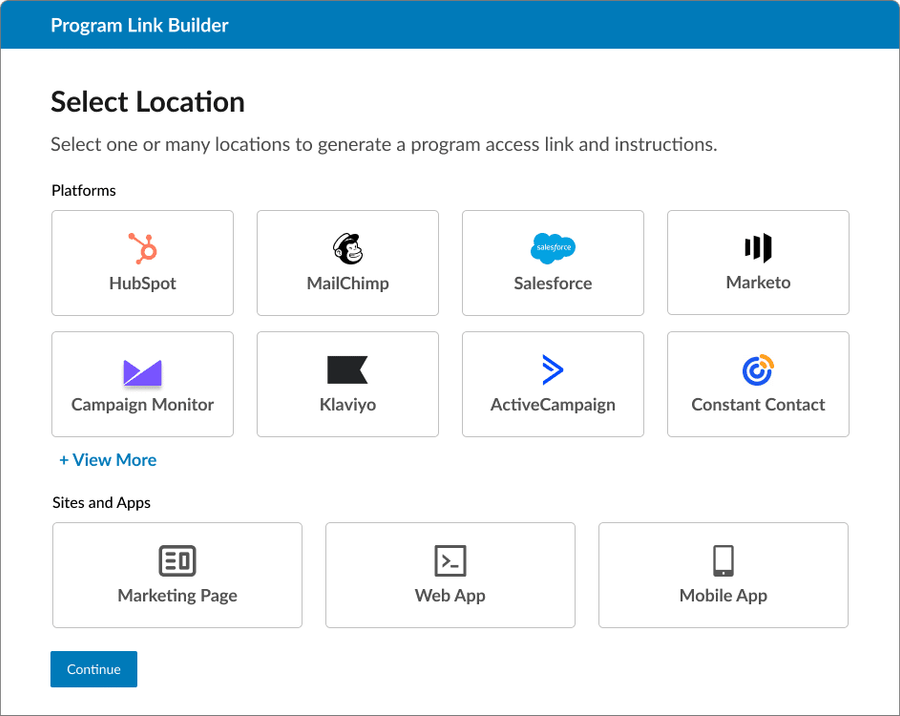
Give users multiple sharing options. Email, text, social media, and a referral link they can copy and share anywhere. Match how people actually communicate with friends. Prepare a friendly, pre-written message they can send, keeping it personal and conversational.
And once users have accessed the program:
- Explain it in three to four bulleted steps for clarity.
- Highlight the benefits of sharing, including both rewards and intrinsic benefits.
- Clearly state when clients will receive their rewards to prevent any misunderstandings.
- Keep your program page tidy, avoiding excessive text or distractions.
- Make sure there’s a prominent call to action (CTA) that motivates sharing.
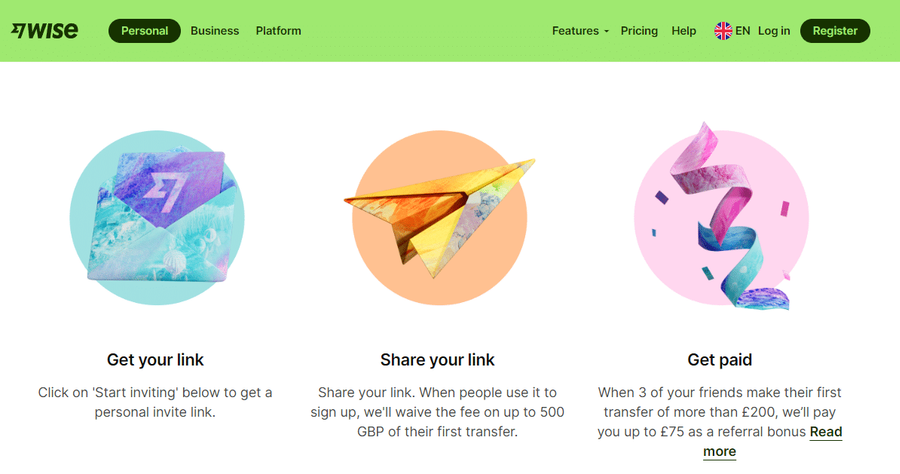
A share carries further when it feels personal at every step, from the invitation sharers get, to the message they send friends, to the page their friend lands on. Here’s how to personalize the share experience with Referral Rock.
Build referral promotion into your operations
Most referral programs die after launch week. The company sends one big email blast, maybe posts on social media, and then forgets about it. Three months later, nobody remembers the program exists.
The programs that work treat promotion as ongoing operations, not a launch-day event. Build referral touchpoints into the places your users already are, and keep them there.
Three ways to keep your program running:
Proactive invites. Send a dedicated program invite email to all users when you launch (and another a few days later as a reminder). Then keep adding and inviting new users to the program as they come in.
Also, send dedicated emails promoting your program to all users. Not just once. At least monthly during the first year, and quarterly after that.
Discovery paths. Put your referral program where users naturally look:
- Inside your app or platform (menu, main page, post-transaction screens)
- On your website (banner, footer, navigation)
- In transactional emails, balance updates, and newsletters (a single line with a link is enough)
- On your social media channels
Automated engagement. Keep your referral program fresh in the minds of users who have been part of the program for at least a little while, but who might need a little encouragement to continue sharing.
Set up triggered emails: a reminder 3-5 days after someone gets their referral link, a congratulations when they earn a reward, and monthly summaries of their referral activity. These keep the program top of mind without requiring manual effort.
You can also surface your referral offer when a user completes a milestone or task, those moments when engagement is high and they’re feeling good about your service.
Run your program emails without bolting on another tool. The invite emails, reminders, reward alerts, and monthly nudges that keep a referral program alive are built in, ready to send from inside Referral Rock.
Track what matters
Monitor the metrics that tell you whether the program is working: shares, reach, referrals, and conversions. If shares aren’t happening, you have a promotion problem. If shares are happening but conversions are low, it’s a messaging or reward problem.
Track your costs versus revenue: reward expenses and operational costs against the customers you gain. If referral revenue exceeds your customer acquisition cost, the program is paying for itself.
Pick software built for fintech
Many referral tools are designed for e-commerce and can’t handle the complexities of B2B, subscription-based, or multi-step fintech sales cycles. Look for software that supports:
- Tiered and multi-step reward structures
- CRM integration for tracking referrals through your sales pipeline
- Automated reward fulfillment
- Fraud detection and progressive protection
- Referral analytics and program data
Referral Rock software handles all of this. It simplifies program design, tracking, rewards, and promotion, and has deep experience with SaaS, banking, and fintech programs. You can set up in days, not months.
Strategic, automated promotional emails invite new users to start sharing and keep existing users engaged, and the passwordless links inside make sharing even easier. Plus, seamlessly integrate Referral Rock with over 50 tools, including your CRM.
Ready to start your fintech referral program?
A fintech referral program works when three things are true: your service is worth sharing, you’ve made it easy for users to share, and you keep the program running as part of how your business operates. Get those right and referrals stop being a marketing experiment and start being a growth channel.
Start with the free tools above, or book a consultation to see how Referral Rock can help you build a program that keeps rolling.

About the author
Jessica Huhn is a content writer and strategist at Referral Rock. When she is not writing, there is a good chance that Jessica is singing, arranging songs, sharing and enjoying content on social media, or hanging out with her mini Goldendoodle. She believes that it's always important to cultivate gentle strength.