Buzz marketing is a bold and strategic form of word of mouth marketing intended to promote a spike in consumer interest and social media coverage over a product, brand, or service. It’s like viral marketing, but you’ve got more control over when and how the buzz spreads. From taboo billboards to $4,500 viral videos, here’s how brands have created buzz and how you can do it too.
What is buzz marketing?
Buzz marketing involves campaigns designed to create lots of rapid “buzz,” or excitement and conversations around a brand or product, in short, sudden spurts.
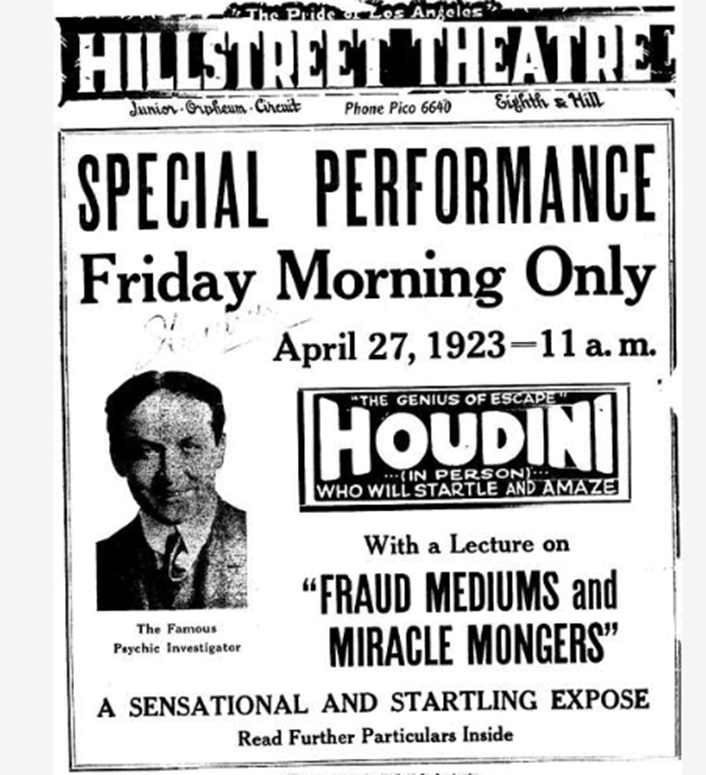
Businesses have generated buzz with campaigns long before the internet age. Take this ad for Harry Houdini from 1923, which incorporated many of the key elements associated with buzz marketing today (we’ll dive into them in just a bit!)
Thanks to the web, it’s even easier to generate buzz quickly if the marketing is done right. But social media users are bombarded with marketing messages, so how to grab (and keep) their attention? Successful buzz marketing requires creatives that are new, fresh, and exciting in combination with an established fan following (and sometimes, the help of influencer marketing). A buzz-worthy marketing campaign can go viral quickly if enough fans share.
Today’s buzz marketing strategies include:
- Creating communities around a brand
- Harnessing influencers and ambassadors
- Creating unexpected/surprising social campaigns
- Answering customer questions in creative ways
- Building anticipation surrounding a new product launch
- Releasing content designed to elicit a reaction
Buzz marketing vs. viral marketing
Buzz marketing is similar to viral marketing in some ways. Both appeal to FOMO (fear of missing out). But there are several key differences.
Viral marketing is centered on social media posts and exclusively focused on generating excitement over the content. Buzz marketing, on the other hand, is a more purposeful and planned approach designed to promote the brand and its offerings (and often, to extend the conversations beyond digital channels).
| Buzz Marketing | Viral Marketing |
| Strategic: Your brand launches a buzz campaign after calculated audience research | Spontaneous: Less control over spread because your audience chose to make a campaign go viral |
| Generates rapid, widespread buzz | Could generate rapid buzz, but could also slowly pick up speed and compound with each campaign |
| Commonly uses digital marketing, but could be offline | Generally online-only Focused on social media marketing |
| Audience usually knows it’s advertising | Branded, but often doesn’t feel like advertising Often takes the form of memes and entertainment-based videos |
How to create a buzz marketing campaign
Want to dive into buzz marketing more deeply? Here are the key steps to executing a successful buzz marketing campaign from the ground up.
1. Know your audience
Knowing your buyer persona will help you target your campaign so you’re maximizing the ROI on limited resources. Think demographics, location, values, goals, pain points, and spending power. If you have a sales team, sit down with your customer-facing team members and take notes. They’re a rich source of persona insights. Use survey and feedback tools with existing customers, and listen in on conversations in online communities and forums related to your brand or product.
Once you have raw data, you can use free tools like HubSpot’s Make My Persona tool to generate a complete user persona profile.
2. Set goals and define how to measure them
Set a clear-cut goal for your campaigns. Are you looking for sales numbers, website traffic, or engagement? Define what action you want viewers to take after seeing your campaign and measure your results accordingly.
3. Time your campaign
Timing is critical. Aside from being aware of general socio-economic and political trends, it’s also important to have a solid understanding of the way people may react to a new campaign before launching. You can’t predicy reactions with 100% success, but research and prepping can help swing the odds more in your favor.
Test-run your campaign in front of a diverse group of your own team members, to pick up on any potentially sensitive areas prior to the official launch. You want to avoid catastrophes like Bloomingale’s disastrous “spike your friend’s eggnog when they’re not looking” campaign.
The copy featured a woman looking away while a man ostensibly uttered these words to the reader. Not surprisingly, backlash was fast and furious. Some critics referred to the ad as “creepy”, while others felt it condoned rape culture. The company issued an apology shortly afterwards.
4. Create content worth sharing
Buzz marketing thrives on disruptive messaging with the intent of attracting attention. Deploy uniqueness, creativity, content that evokes an emotional connect, and seamless shareability. Don’t be afraid to use humor.
Research the social media platforms your audience uses and how they fit in with your goals to maximize impact. Get a feel for these channels, and how they work, so you have a robust understanding of how to leverage them.
Keep in mind: Video has a decisive edge over other formats, given the visual medium results in the most engagement.
Need inspiration? We’ll cover specific examples of different types of buzz marketing campaigns later in this article.
5. Promote your campaign
Broadcast the campaign on the social media channels (and other channels) your audience frequents most. Consider sending out teaser previews before launching the full-blown campaign. Aside from helping you drum up pre-launch buzz, it also helps you pick up on early reactions (positive buzz or negative hype?).
Use branded hashtags so people can find your campaign quickly. And reach out to influencers, brand advocates, and “connectors” who already have a fan following aligned with your brand’s interests.
6. Measure your results
Measure the ROI on your campaigns and how successfully they actually turned out. Did you meet the goals you set at the start of the process?
- Social media tools can help you measure how many people engage with your content (like, comment, or share)
- Brand mention tools will let you keep tabs on the conversations that crop up, and who has started them
- Analytics tools can help you pinpoint direct visits related to searches for your brand. If you’re using GA4, look at organic search to main pages when your name is listed. If you get a sharp spike during or shortly after your campaign, it’s probably related.
6 types of buzz marketing (with examples)
Buzz marketing can be segmented into a few different types. Up next, we’ll cover what these are and specific examples of each.
Click on the images to view the videos associated with each campaign.
Taboo
Taboo marketing focuses on topics that people generally avoid talking about in social circles because they’re considered off-limits or potentially offensive. Take the example of Elvie’s “Leaks Happen” 2020 campaign featuring an outdoor 20ft bespoke “peeing” billboard for tackling the topic of urinary incontinence head-on.
Elvie refers to itself as one of the original FemTech brands dedicated to the cause of technology that empowers women. The Leaks Happen campaign, incidentally, wasn’t part of the original plan. The campaign was a reaction to having a brand video flagged as “graphic” on TikTok.
The reason? The female weightlifter featured in the video accidentally peed while squatting with weights.
Elvie capitalized on the opportunity to not just highlight the very untalked-about topic of female urinary incontinence, but also position itself as a female-first brand. At the time, the campaign would result in a 109% spike in the number of Google searches for “Elvie.”
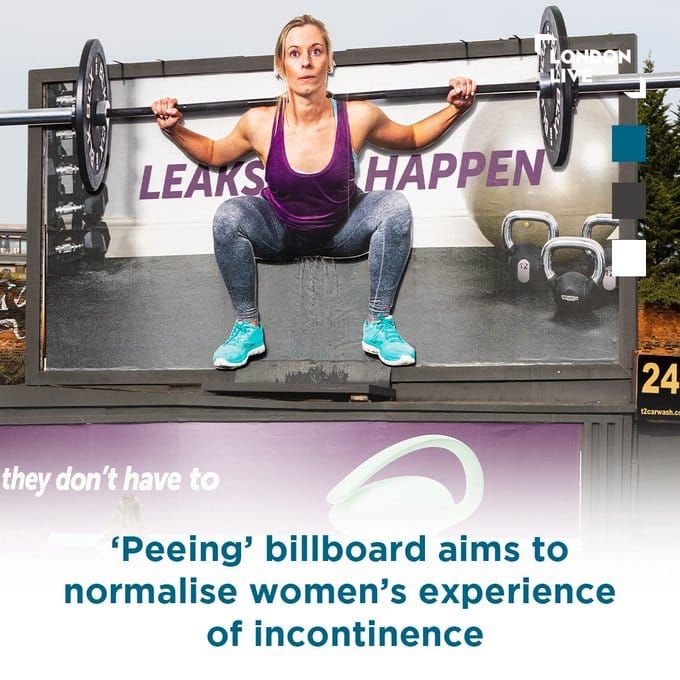
As of today, #leakshappen has elicited over 13 million impressions on TikTok. Worth noting is the organic engagement of influencers such as Tova Leigh, Claire Bourne and the brand Bumps and Burpees.
Taboo ads can be remarkably effective at racking in the numbers, but they can also backfire quickly if they’ve not been well thought out. Run the ad with a diverse “test” audience beforehand and ensure they’re not an evergreen strategy but the rare cheat meal in an otherwise healthy diet.
Secret
Secretive buzz marketing techniques generate an aura of exclusivity and rarity around a product. They’re also designed to create a sense of urgency and anticipation so viewers can’t wait to get their hands on the product. The technique is often used with established brands that already have a loyal fan following.
Think of the Spider-Man movie franchise, for example. The trailers for the SPIDER-MAN:NO WAY HOME movie released in 2021 reportedly racked up over 355 million views within 24 hours of its release. The movie would eventually go on to collect a whopping $1.91 billion in revenue.
Unusual
Unusual buzz marketing techniques are best used by tech brands at the forefront of innovation. They can generate a huge amount of pre-release hype by featuring never-before-seen product features that are ahead of anything else out there in the market currently.
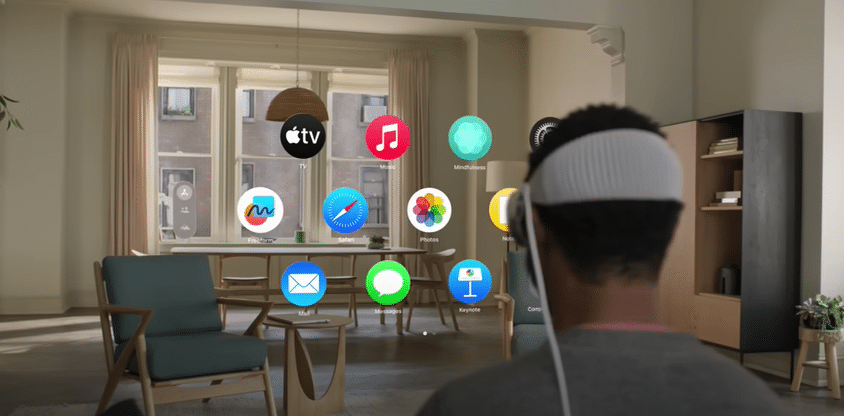
Apple’s eponymous Vision Pro ad, released in June 2023, has garnered over 63 million impressions on YouTube. The 2024 product was the company’s first major product since the Apple Watch. It’s a mixed-reality headset that enables you to manipulate digital content with your eyes, hands, and voice.
Need we say more?
Hilarious
Purple Mattress and its “How to Use a Raw Egg to Determine if Your Mattress is Awful” ad campaign is quirky, fun, relatable and utterly memorable – all the things that connect quickly with the target audience and guarantee virality. The ad features Mallory Everton as a Goldilocks “bed expert” who uses raw eggs to test the quality of popular mattress variants in the market. Naturally, the Purple Mattress is the only one that passes.
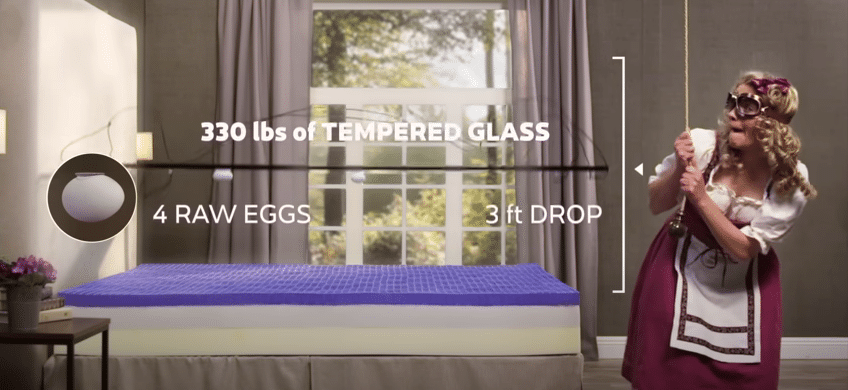
Despite being four minutes long, the ad has gained a total of 194 million views, proving that the length of an ad doesn’t matter! People will watch and rewatch if they enjoy the content. And if it’s funny, even better.
Brands often don’t do humor because it’s hard to get right. But if you can make your prospective customer laugh, it’s an easy sell.
Remarkable
Remarkable ads often showcase a brand’s commitment to and interest in the community that represents their ideal customer at large. Dove’s Real Beauty Sketches campaign still gets talked about today and evokes the same kind of emotions it did when it came out a decade ago.
More of a social commentary than an actual ad, it throws a spotlight on how women often judge their appearance more harshly than they should. It makes you think and question your beliefs about how you think the world sees you. In reality, as Dove’s winning ad caption states, “ You’re more beautiful than you think.”
The ad reached a phenomenal 70 million views on YouTube.

Outrageous
Warning: Toilet humor.
Lots of it.
PooPourri launched their ad campaign on the promise that their toilet spray will leave your bathroom smelling better than you found it. The still-scandalous-by-todays’-standards ad campaign features a well-heeled and sophisticated young woman sitting on a toilet seat for most of the 2:15 minute run time.
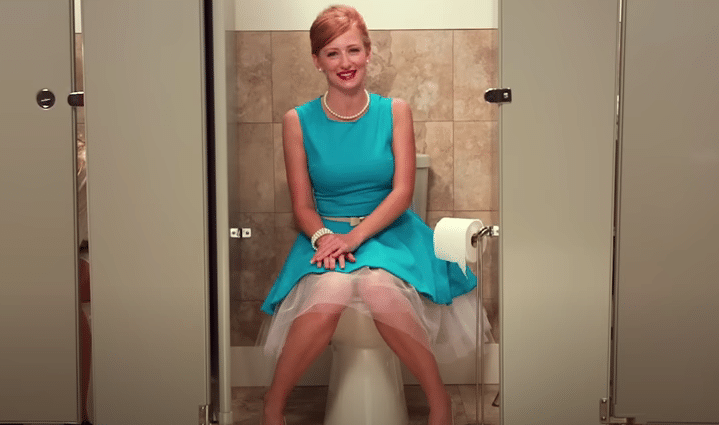
The actress (also company spokesperson) Bethany Woodruff mouths all manner of obscenities describing the everyday thoughts of the average woman who has to use a restroom outside the comfort of her own bathroom.
“I just birthed a creamy behemoth from my cavernous bowel,” she says with barely concealed glee at one point. You get the picture. Or maybe not.
The ad was an instant hit, chiefly because it was so outrageously relatable and ridiculously funny. Last we checked, the ad has racked up 44 million views and counting.
Outrageous buzz marketing tactics have shock value and so can polarize strong opinions either for or against. When done right, outrageous marketing. This is one of those marketing strategies that need to be pre-tested before the actual launch.
P.S.“Yes it is a real product. And yes it really works.”
3 more buzz marketing examples
Looking for more examples to inspire your next buzz marketing campaign? We’ve got you covered!
“Got Milk?”
Arguably one of the most successful buzz marketing campaigns in American history, the “Got Milk” campaign was so popular that celebrities (the erstwhile influencers of the 90s) wanted to get in on the action even if it meant they had to forego much of their usual fee. Just some of the long list of celebrities featured on the ads included Kermit the Frog, David Beckham, Harrison Ford, and Heidi Klum.
Originally launched by the California Milk Processor Board and afterward a joint effort with MilkPEP, the campaign aimed to arrest falling milk buying trends and make buying milk more popular. The campaign established an instant connect nationwide.
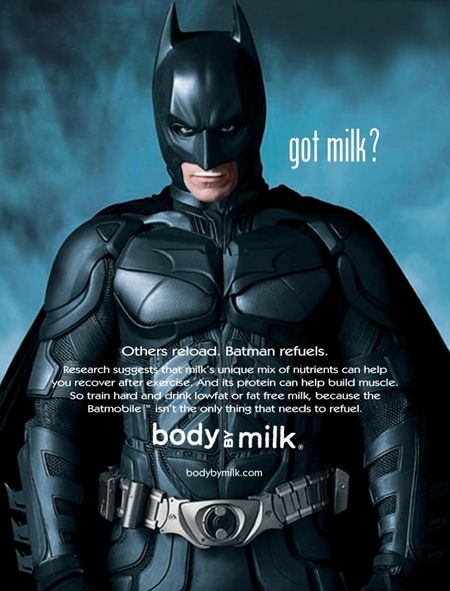
At one time, the famed “milk mustaches”that were part of the ad campaign, became an ubiquitous feature of pop culture. The campaign resulted in an increase in milk sales for the first time in over a decade in 1994, a jump from 740 million gallons in the previous year to 755 million.
The campaign ran for two whole decades before being retired to keep up with emerging food and beverage trends.
Dollar Shave Club’s “Our Blades Are F**king Great”
The Dollar Shave Club’s “Our Blades Are F**king Great” campaign features a number of rarities. The uber-confident CEO Michael Dubin (also improv student/comedian) takes center stage in the ad where he pokes fun at the absurdities of the shaving industry while showing exactly why his own company’s blades were so “f**king” great.
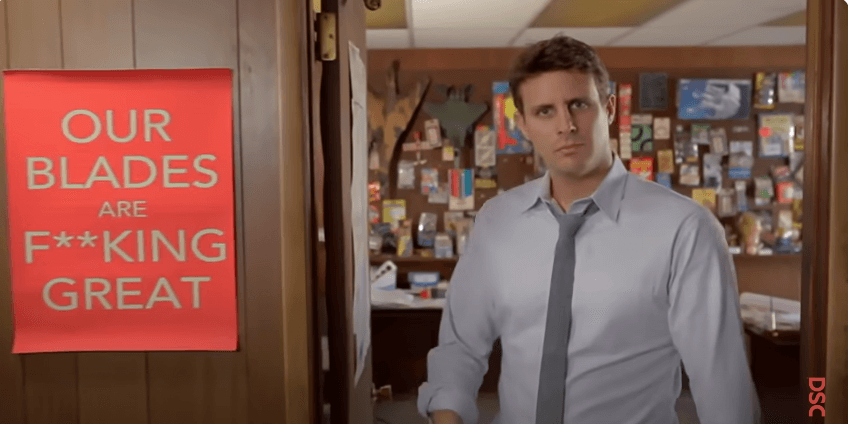
Aside from being disruptive for the time, the campaign is also remarkably authentic – a real person telling you why you’re losing dollars on buying blades for $20 a month with extras that you don’t really need when you can easily have high-quality razors delivered to you for just $1 a month with the Dollar Shave Club.
The video was reportedly made on a budget of $4500, but nobody could foresee the impact. The Dollar Shave Club’s website crashed because of the sudden spike in interest, and when they got it back up the next day, they had over 12,000 new subscribers. The video reportedly garnered over 4 million views within the first few days. As of today, the total viewership stands at over 28 million.
Dior Forever Foundation
Dior opted to get ahead of the curve when it launched its Dior Forever foundation in 2021. The ad campaign intended to showcase Dior’s commitment to inclusivity through its range of 67 foundation colors (one of its core marketing USPs).
The idea was to have 67 influencers (one for each shade of foundation) post once each consecutively for 67 days. Shortlisting influencers was no mean feat, considering the influencers had to be among the top performers in terms of engagement and also had to match at least one unique foundation shade each.
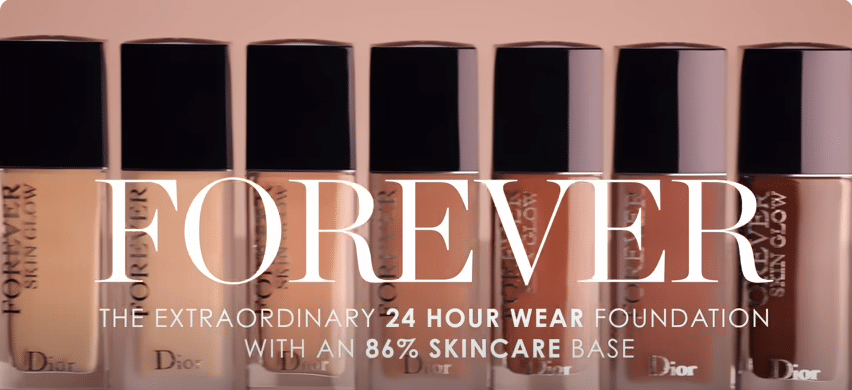
In the end, however, the results spoke for themselves– a combined influencer audience reach of 2.66 million, 1.65 million impressions, 591k engagements, and an impressive 120% engagement rate.
Buzz marketing creates spikes, not sustained word of mouth
Even though buzz marketing can generate rapid WOM spikes, it isn’t an engine for continued word of mouth. It also can’t solve problems related to a less-than-satisfying product or bad customer service. Even with an interesting campaign, people still won’t recommend you if your brand doesn’t provide a good experience.
Want people to keep talking about you reliably and consistently? Make sure your product, customer service, value, and/or brand story sets you apart. Then, once people are consistently talking about you, consider launching a referral program to capture and increase the word of mouth you already have (and reward sharing through incentives).

About the author
Guest writer
Irene Lopez is a freelance writer and content strategist who creates strategically crafted content that helps businesses build a strong presence online. For Referral Rock, Irene has written guides on employee referral programs, affiliate and partner programs, brand ambassadors, and the software behind them.